
Mix-and-match approach boosts COVID-19 immune response of AstraZeneca shot, UK study finds
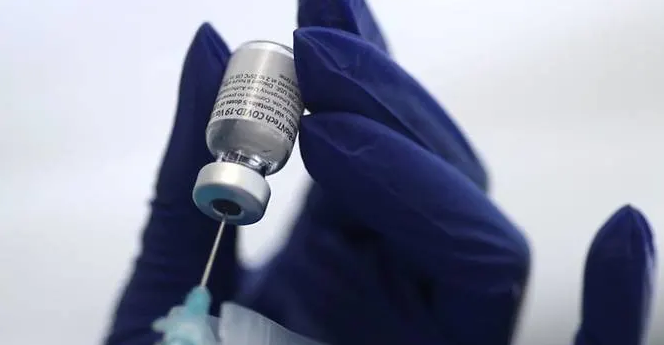
LONDON: A mixed schedule of vaccines where a shot of Pfizer’s COVID-19 vaccine is given four weeks after an AstraZeneca shot will produce better immune responses than giving another dose of AstraZeneca, an Oxford study said on Monday (Jun 28).
The study, called Com-COV, compared mixed two-dose schedules of Pfizer and AstraZeneca vaccines, and found that in any combination, they produced high concentrations of antibodies against the coronavirus spike protein.
The data provides support for the decision of some European countries that have started offering alternatives to AstraZeneca as a second shot after the vaccine was linked to rare blood clots.
Matthew Snape, the Oxford professor behind the trial, said that the findings could be used to give flexibility to vaccine rollouts, but was not large enough to recommend a broader shift away from clinically approved schedules on its own.
“It’s certainly encouraging that these antibody and T-cell responses look good with the mixed schedules,” he told reporters.
“But I think your default has to stay, unless there’s a very good reason otherwise, to what is proven to work,” he added referring to the same-shot vaccine schedules assessed in clinical trials.
The highest antibody response was seen in people receiving two doses of Pfizer vaccine, with both mixed schedules producing better responses than two doses of AstraZeneca vaccine.
READ: Thailand to narrow gap for AstraZeneca COVID-19 shots in bid to curb Delta variant
READ: Vietnam to receive 1 million doses of AstraZeneca COVID-19 vaccine weekly from July
An AstraZeneca shot followed by Pfizer produced the best T-cell responses, and also a higher antibody response than Pfizer followed by AstraZeneca.
The results were for combinations of vaccines given at four week intervals to 830 participants.
Com-COV is also looking at mixed schedules over a 12-week interval, and Snape noted that AstraZeneca’s shot was known to produce a better immune response with a longer interval between doses.
In Britain, officials have suggested an 8-week gap between vaccine doses for over-40s and a 12-week gap for other adults.
“Given the UK’s stable supply position there is no reason to change vaccine schedules at this moment in time,” England’s Deputy Chief Medical Officer Jonathan Van-Tam said, adding that the data on a 12-week interval would influence future decisions on the rollout programme.
Over 80 per cent of adults in Britain have now received one dose of COVID-19 vaccine and 60 per cent have had two shots.
Source: Reuters/ec
Covid-19 (June 28): 5,218 new cases, death toll exceeds 5k
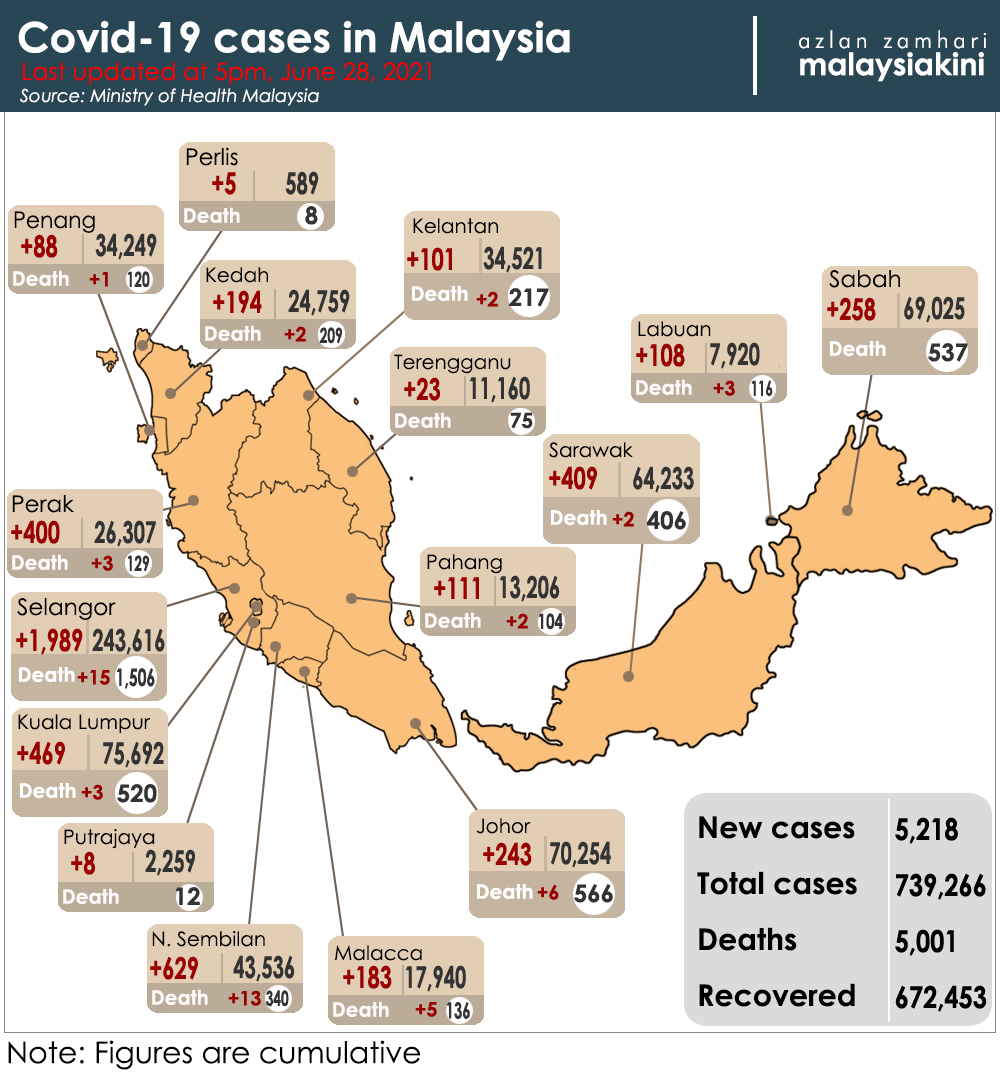
The Health Ministry today reported 5,218 new Covid-19 cases as of noon, marking the sixth consecutive day where cases were above 5,000.
Selangor dipped under 2,000 new cases for the first time in six days but the numbers remain elevated.
Fresh infections in Negeri Sembilan were also high, overtaking Kuala Lumpur.
- Active cases: 61,812
- Patients in ICUs: 899
- Intubated: 451
Deaths
There were 57 fatalities today, bringing the death toll to 5,001.
The new deaths were recorded in Selangor (15), Negeri Sembilan (13), Johor (6), Malacca (5), Perak (3), Kuala Lumpur (3), Labuan (3), Sarawak (2), Pahang (2), Kelantan (2), Kedah (2) and Penang (1).
Those who died were aged between 33 and 96.
For a detailed breakdown of the reported deaths today, please refer to our Covid-19 tracker site.
New cases by state
Selangor (1,989)
Negeri Sembilan (629)
Kuala Lumpur (469)
Sarawak (409)
Perak (400)
Sabah (258)
Johor (243)
Kedah (194)
Malacca (183)
Pahang (111)
Labuan (108)
Kelantan (101)
Penang (88)
Terengganu (23)
Putrajaya (8)
Perlis (5)
Clusters
A total of 880 out of 2,794 clusters are still active. This includes the 22 new clusters reported today.
Details of the new clusters are as follow:
Industri Waja 2
Category: Workplace
State(s): Selangor
District(s): Kuala Langat and Klang
Total infected: 29 out of 249 screened
Industri Jalan Laksamana Satu
Category: Workplace
State(s): Selangor
District(s): Klang
Total infected: 29 out of 341 screened
Industri Jalan Dolomite Dua
Category: Workplace
State(s): Selangor
District(s): Gombak
Total infected: 6 out of 28 screened
Tapak Bina Lingkaran Eco Majestic
Category: Workplace
State(s): Selangor
District(s): Hulu Langat
Total infected: 24 out of 276 screened
Tapak Bina Jalan Wangsa 2
Category: Workplace
State(s): Kuala Lumpur
District(s): Titiwangsa
Total infected: 23 out of 201 screened
Tapak Bina Jalan Kiara Tujuh
Category: Workplace
State(s): Kuala Lumpur
District(s): Kepong
Total infected: 11 out of 202 screened
Tapak Bina Jalan Kasipillay
Category: Workplace
State(s): Kuala Lumpur
District(s): Kepong
Total infected: 18 out of 73 screened
Jalan Tanjung Puteri Satu
Category: Workplace
State(s): Johor
District(s): Johor Bahru
Total infected: 6 out of 62 screened
Jalan Kebun Bakri
Category: Workplace
State(s): Johor
District(s): Muar
Total infected: 9 out of 13 screened
Industri Persiaran Bunga Tanjung Satu
Category: Workplace
State(s): Negeri Sembilan
District(s): Seremban
Total infected: 16 out of 317 screened
Industri Bunga Tanjung Dua
Category: Workplace
State(s): Negeri Sembilan
District(s): Seremban
Total infected: 26 out of 253 screened
Industri Teknologi Cheng 22
Category: Workplace
State(s): Malacca
District(s): Melaka Tengah and Alor Gajah
Total infected: 36 out of 624 screened
Business City
Category: Workplace
State(s): Malacca
District(s): Melaka Tengah
Total infected: 23 out of 57 screened
Jalan Semariang
Category: Workplace
State(s): Sarawak
District(s): Kuching
Total infected: 36 out of 176 screened
Dah Sembilan Industri Sungai Petani
Category: Workplace
State(s): Kedah
District(s): Kuala Muda
Total infected: 18 out of 95 screened
Bandar Baru Lubok Jong
Category: Workplace
State(s): Kelantan
District(s): Pasir Mas
Total infected: 7 out of 55 screened
Simpang Koko
Category: Community
State(s): Sarawak
District(s): Sarikei
Total infected: 59 out of 140 screened
Luteng
Category: Community
State(s): Sarawak
District(s): Telang Usan
Total infected: 44 out of 69 screened
Kubang Jela
Category: Community
State(s): Terengganu
District(s): Kuala Terengganu
Total infected: 19 out of 105 screened
Kampung Telosan
Category: Community
State(s): Kelantan
District(s): Pasir Puteh
Total infected: 10 out of 19 screened
Jalan Gunung Lapan
Category: Community
State(s): Johor
District(s): Johor Bahru
Total infected: 9 out of 32 screened
Dah Sawi
Category: Community
State(s): Kedah
District(s): Kulim
Total infected: 27 out of 35 screened
Source:Malaysiakini
Covid-19 (June 27): 5,586 new cases, S’gor above 2k for 5th consecutive day
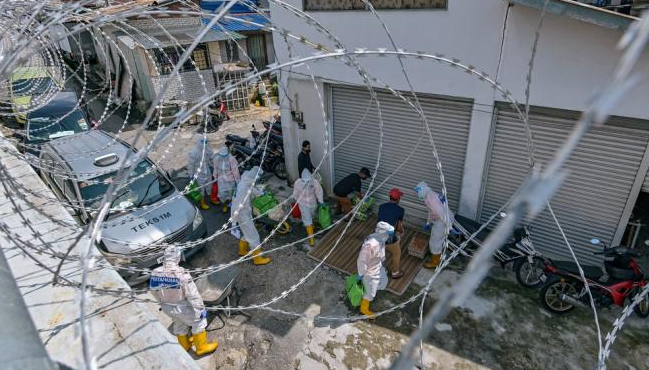
The Health Ministry today reported 5,586 new Covid-19 cases and 60 deaths.
The new locally transmitted infections comprised 74.98 percent Malaysians and 25.02 percent non-citizens.
The Klang Valley accounted for 50.94 percent (2,844 cases) of new local infections while East Malaysia made up 14.08 percent (786 cases).
A total of 4,777 Covid-19 patients recovered today but they were outpaced by new infections, contributing to a rise in active cases.
- Active cases: 61,395
- Patients in ICUs: 886
- Intubated: 446
Deaths
There were 60 fatalities today, bringing the death toll to 4,944.
The new deaths were recorded in Selangor (20), Kuala Lumpur (16), Kelantan (6), Johor (5), Negeri Sembilan (4), Sarawak (3), Pahang (2), Malacca (2), Kedah (1) and Labuan (1).
The youngest victim was a 20-year-old man suffering from obesity who died at Tengku Ampuan Rahimah Hospital in Klang.
There were also three other relatively young Covid-19 patients who died, aged 26, 27 and 28 respectively. All three also suffered from obesity.
The remaining deaths were aged between 32 and 88.
for a detailed breakdown of the reported deaths today, please refer to our Covid-19 tracker site.
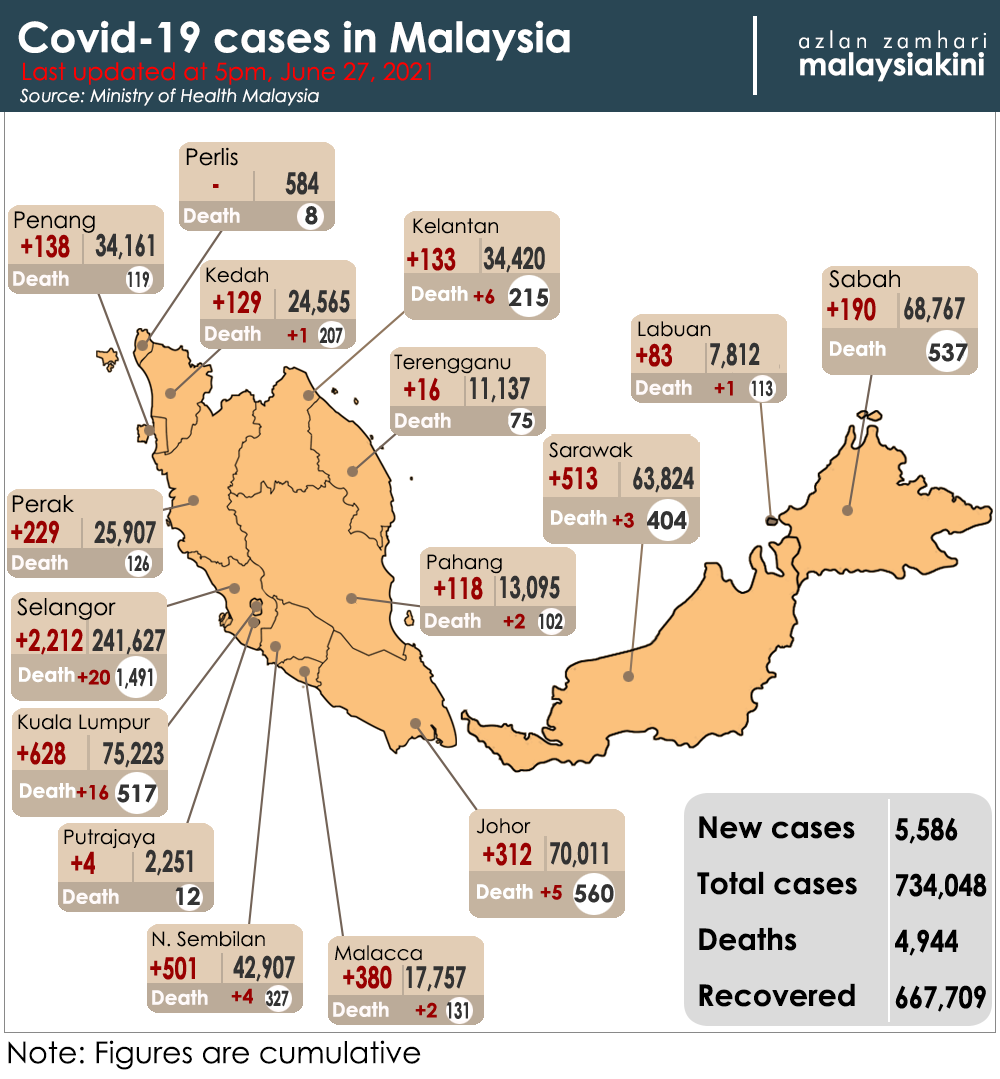
New cases by states
Selangor (2,212)
Kuala Lumpur (628)
Sarawak (513)
Negeri Sembilan (501)
Malacca (380)
Johor (312)
Perak (229)
Sabah (190)
Pulau Pinang (138)
Kelantan (133)
Kedah (129)
Pahang (118)
Labuan (83)
Terengganu (16)
Putrajaya (4)
Perlis (0)
Clusters
A total of 874 out of 2,772 clusters are still active. This includes the 17 new clusters reported today.
This was compared to a total of 834 active clusters a week ago.
Details of the new clusters are as follow:
Industri Rawang Bestari
Category: Workplace
State(s): Selangor
District(s): Gombak and Hulu Selangor
Total infected: 57 out of 135 screened
Industri Kampung Sungai Bakau
Category: Workplace
State(s): Selangor
District(s): Gombak
Total infected: 134 out of 190 screened
Tapak Bina Jade
Category: Workplace
State(s): Selangor
District(s): Hulu Langat
Total infected: 42 out of 208 screened
Industri Jalan Sungai Tua
Category: Workplace
State(s): Selangor
District(s): Hulu Selangor
Total infected: 122 out of 137 screened
Tapak Bina Jalan Kuching
Category: Workplace
State(s): Kuala Lumpur
District(s): Kepong
Total infected: 99 out of 401 screened
Tapak Bina Jalan Residen Dua
Category: Workplace
State(s): Kuala Lumpur
District(s): Kepong
Total infected: 9 out of 544 screened
Tapak Bina Jalan Kiara Lima
Category: Workplace
State(s): Kuala Lumpur
District(s): Kepong
Total infected: 28 out of 147 screened
Tapak Bina Jalan Belfield
Category: Workplace
State(s): Kuala Lumpur
District(s): Lembah Pantai
Total infected: 20 out of 102 screened
Pekeliling Tanjung 27
Category: Workplace
State(s): Johor
District(s): Kulai
Total infected: 35 out of 177 screened
Murni Sepang
Category: Community
State(s): Selangor
District(s): Sepang
Total infected: 100 out of 220 screened
Linau Kumpang
Category: Community
State(s): Sabah
District(s): Kota Belud
Total infected: 29 out of 55 screened
Kuarters Bata Durok
Category: Community
State(s): Sabah
District(s): Keningau
Total infected: 12 out of 44 screened
Kampung Gong Depu
Category: Community
State(s): Kelantan
District(s): Pasir Puteh
Total infected: 11 out of 32 screened
Kampung Melor Lama
Category: Community
State(s): Kelantan
District(s): Kota Bharu
Total infected: 15 out of 47 screened
Jalan 12 Kampar
Category: Community
State(s): Perak
District(s): Kampar
Total infected: 9 out of 42 screened
Tembok Kota Kinabalu
Category: Detention Centre
State(s): Sabah
District(s): Kota Kinabalu, Penampang and Papar
Total infected: 34 out of 422 screened
Jalan Stampin
Category: High-risk group
State(s): Sarawak
District(s): Kuching
Total infected: 19 out of 46 screened
Source:Malaysiakini
Malaysia’s COVID-19 lockdown to be extended: PM Muhyiddin
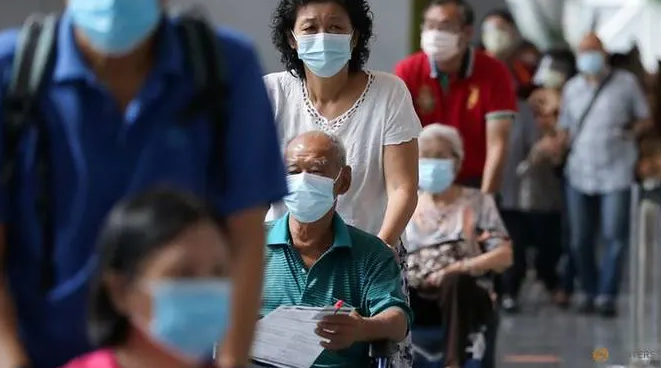
KUALA LUMPUR: Malaysia will extend a national lockdown beyond Monday (Jun 28) to curb the spread of COVID-19, state news agency Bernama reported on Sunday, citing Prime Minister Muhyiddin Yassin.
Lockdown measures were set to end on Monday. But Muhyiddin said they will not be eased until daily cases fell below 4,000, Bernama said.
Senior Minister for Defence Ismail Sabri Yaakob also said that Phase 1 of the movement control order will be maintained until the three key threshold value indicators are achieved.
The indicators are that the number of daily COVID-19 cases drop to below 4,000, the rate of bed usage in intensive care units is at a moderate level and that 10 per cent of the population has received two doses of the COVID-19 vaccine.
“Based on the risk evaluation carried out by the Ministry of Health, the government will maintain the Phase 1 period nationwide,” said Ismail Sabri in a statement.
“This takes into account the current situation, which has yet to successfully transition from Phase 1 to Phase 2, where the graph on daily COVID-19 positive cases shows a horizontal trend,” he added.
The minister also said that restaurants could operate from 6am to 10pm starting Monday. Currently restaurants are only allowed to operate from 8am to 8pm.
He said the decision was made after taking into account the appeals from and the views of food outlet operators.
Malaysia reported 5,803 cases on Saturday.
In May, a nationwide movement control order (MCO) was re-imposed in Malaysia amid a third wave of COVID-19 cases.
Known as MCO 3.0, all economic sectors were allowed to operate during the period but cross-district and interstate travel as well as social, sports and educational activities were prohibited.
Stricter restrictions on the economic and social sectors were later announced on May 21 as community cases continued to rise.
On Jun 11, Ismail Sabri announced in a statement that the MCO, which was then due to end on Jun 14, would be extended to Jun 28.
Source: Reuters
Covid-19 (June 26) – 5,803 new cases, not looking good for Pahang and Malacca
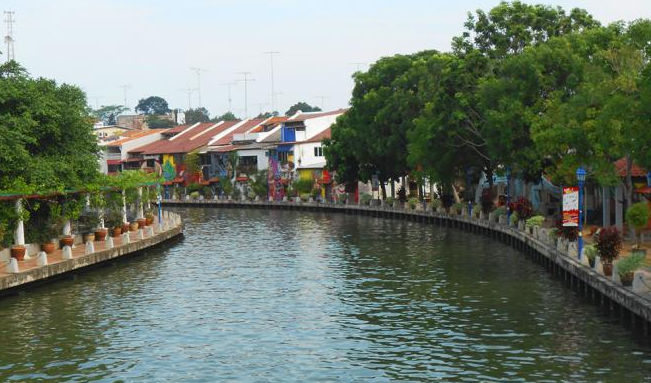
COVID-19 | The Health Ministry today reported 5,803 new Covid-19 cases.
There were 81 deaths today and while active cases rose, the number of patients discharged was lower than new cases.
- Active cases: 60,646
- Patients in ICU: 866
- Intubated: 435
Breakdown by states
New case counts in Pahang (220) and Malacca (355) have been trending up over the past seven days.
The districts of Kuantan and Temerloh are among the worst-hit regions in Pahang currently.
In Malacca, new cases reported today were 86.6 percent higher than the average over the past seven days.
Selangor (2,108)
Negeri Sembilan (741)
Kuala Lumpur (628)
Sarawak (491)
Malacca (355)
Johor (329)
Pahang (220)
Sabah (189)
Kedah (186)
Penang (160)
Perak (137)
Kelantan (103)
Labuan (99)
Terengganu (29)
Putrajaya (24)
Perlis (4)
Deaths
There were 81 fatalities today bringing the cumulative death toll to 4,884.
The number of fatalities in June alone thus far is 2,088.
The youngest victim today was a 26-year-old man. The remaining deaths were of those aged between 31 and 97.
For a detailed breakdown of the reported deaths today, please refer to our Covid-19 tracker site.
Clusters
A total of 868 out of 2,755 clusters are still active. This includes the 14 new clusters reported today. Details of the new clusters are as follow:
Industri Tanjung Suria
Category: Workplace
State(s): Selangor
District(s): Kuala Langat and Sepang
Total infected: 26 out of 57 screened
Tapak Bina Cybersouth Utama
Category: Workplace
State(s): Selangor
District(s): Sepang
Total infected: 15 out of 81 screened
Industri Jalan Enam Salak Tinggi
Category: Workplace
State(s): Selangor
District(s): Sepang
Total infected: 11 out of 39 screened
PLO Jalan Perak
Category: Workplace
State(s): Johor
District(s): Johor Bahru
Total infected: 10 out of 53 screened
Perindustrian Bakri Satu
Category: Workplace
State(s): Johor
District(s): Muar
Total infected: 6 out of 58 screened
Tapak Bina Pintasan Segambut
Category: Workplace
State(s): Kuala Lumpur
District(s): Kepong
Total infected: 152 out of 176 screened
Jalan Usaha Jaya
Category: Workplace
State(s): Penang
District(s): Seberang Perai Tengah
Total infected: 11 out of 60 screened
Industri Serkam 2
Category: Workplace
State(s): Malacca
District(s): Jasin and Melaka Tengah
Total infected: 40 out of 122 screened
Bandar Rantau Panjang
Category: Workplace
State(s): Kelantan
District(s): Pasir Mas
Total infected: 10 out of 55 screened
Penjara Jalan Harapan 2
Category: Detention Centre
State(s): Selangor
District(s): Gombak
Total infected: 21 out of 145 screened
Tembok Tawau
Category: Detention Centre
State(s): Sabah
District(s): Tawau
Total infected: 9 out of 61 screened
Nyelutong
Category: Community
State(s): Sarawak
District(s): Samarahan, Bentong, Sibu, Lubuk Antu and Sri Aman
Total infected: 39 out of 154 screened
Permatang Pasir Bachok
Category: Community
State(s): Kelantan
District(s): Bachok
Total infected: 18 out of 55 screened
Changkat Intan
Category: High-risk group
State(s): Perak
District(s): Hilir Perak and Batang Padang
Total infected: 35 out of 350 screened
Source:Malaysiakini
Covid-19 (June 25): 5,812 new cases as ‘total lockdown’ expiry draws near
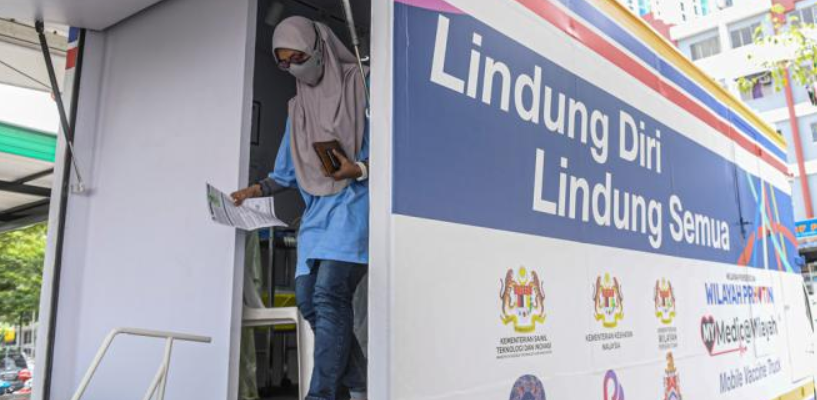
COVID-19 | The Health Ministry today reported 5,812 new Covid-19 cases three days ahead of the expiry of “total lockdown”.
The “total lockdown” version of the movement control order began on June 1 and is set to expire on June 28.
During the week prior to the start of “total lockdown”, the seven-day average for new daily Covid-19 cases was 7,680 and 109,101 test samples taken.
The average over the past seven days was 5,350 and 74,708 test samples.
When the two periods are compared, the drop in average number of cases was down 30.3 percent while the drop in average number of sample taken was 31.5 percent.
- Active cases: 60,117
- Patients in ICU: 870
- Intubated: 433
States
- Selangor (2,187)
- Kuala Lumpur (771)
- Sarawak (673)
- Negeri Sembilan (658)
- Penang (270)
- Malacca (223)
- Johor (196)
- Kedah (186)
- Sabah (156)
- Pahang (139)
- Labuan (123)
- Kelantan (98)
- Perak (72)
- Terengganu (46)
- Putrajaya (14)
- Perlis (0)
In Selangor (2,187) a very alarming one in 5.1 new cases were only detected when the Covid-19 patient reported symptoms but are not related to existing clusters or are close contacts.
As of yesterday, the R-naught for the country was 0.98. An R-naught of less than 1.00 would suggest that the spread of Covid-19 was decelerating.
Worryingly, the R-naught has been rising steadily from a recent low of 0.90 on June 12.
At a micro-level, for now, the only region where the R-naught was more than 1.00 is Negeri Sembilan (1.06). The regions of Selangor, Malacca, Labuan and Sarawak are precariously close to 1.00.
Deaths
The Health Ministry today reported another 82 deaths attributed to Covid-19. The national death toll has reached 4,803.
There have been 2,007 people who have died of Covid-19 in the month of June alone, or 41.8 percent of all Covid-19 deaths reported so far.
On average, 80 people die from Covid-19 daily or around 3.3 deaths per hour.
Source:Malasiakini
Israel requires masks indoors again as Delta variant drives up COVID-19 cases
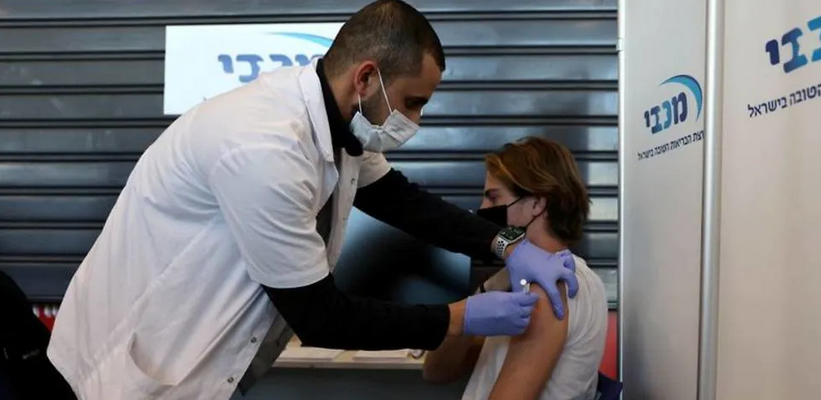
TEL AVIV: Israel told its citizens on Friday (Jun 25) they must again wear masks indoors, 10 days after being allowed to ditch them, amid a sustained surge in COVID-19 infections attributed to the highly contagious Delta variant.
The mask requirement had been one of only a few social curbs remaining as Israel’s rapid vaccination drive kept cases down.
But infections more than quadrupled this week to 138 after outbreaks attributed to the Delta variant at two schools, prompting officials to tighten some restrictions again and urge parents to have children between 12 and 15 vaccinated.
The health ministry reimposed the mask requirement for all indoor settings except the home, and said it was also recommending masks be worn at large outdoor gatherings, specifically mentioning gay pride events taking place around Israel this weekend.
READ: Vaccinated Israelis may need to quarantine because of Delta COVID-19 variant
READ: Israel urges adolescents to get vaccinated, citing Delta COVID-19 variant
Around 55 per cent of Israel’s 9.3 million population have received both doses of the Pfizer-BioNTech vaccine. Eligibility was extended to 12- to 15-year-olds last month, but take-up in that age group has been low.
In April, Israel’s pandemic response coordinator, Nachman Ash, said Israel could achieve “herd immunity” when 75 per cent of its population were either vaccinated or naturally immune after having contracted COVID-19.
But on Thursday, allowing for the higher contagiousness of the Delta variant, he put that figure at “at least 80 per cent”.
Currently around 65 per cent of Israel’s population have been vaccinated or have recovered from COVID-19, the health ministry says.
Source: Reuters/jt
Singapore and Malaysia police dismantle Johor job scam syndicate in joint investigation
SINGAPORE: A Malaysian crime syndicate believed to be behind scams involving hundreds of victims in Singapore has been crippled in a joint investigation by the Singapore Police Force (SPF) and Royal Malaysia Police, SPF said in a news release on Friday (Jun 25).
In a raid on four locations on Monday, Johor police rounded up 22 Malaysians – 11 men and 11 women aged between 15 and 28 – suspected to be part of the syndicate, seizing 48 telecommunications devices, 12 laptops and training booklets, said SPF.
The group is believed to be behind job scams involving more than 250 victims in Singapore this year, SPF added.

Officers from the SPF’s Commercial Affairs Department and Malaysia’s Johor Police Contingent and Commercial Crime Investigation Department were involved in dismantling the Johor-based syndicate.
The director of Singapore’s Commercial Affairs Department David Chew on Friday thanked his Malaysian counterparts for their “strong support and commitment in tackling transnational crime syndicates”.
Mr Chew said the syndicate had “used various means to reach victims across international boundaries with bogus job offers that promised lucrative returns”.

Victims were asked to place orders on e-commerce platforms and make payment to third-party bank accounts to boost the merchants’ online ratings, Mr Chew said.
He urged members of the public to “protect themselves and their loved ones from falling pray to scammers” even as the police “continue this fight against scams”.
To this end, the police will continue to work closely with foreign law enforcement agencies, SPF said.
The police have also advised members of the public not to accept “dubious job offers that offer lucrative returns for minimal effort” and to verify the authenticity of job offers with the official e-commerce website.
For more information on scams, members of the public can visit scamalert.sg or call the Anti-Scam Hotline at 1800-722-6688.
Source: CNA/vc(hs)
Sydney faces ‘scariest period’ in pandemic amid COVID-19 Delta outbreak
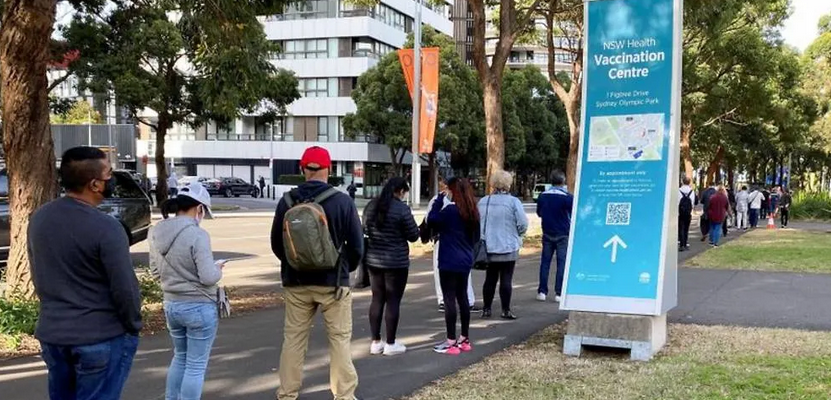
SYDNEY: Australia’s most populous state, New South Wales (NSW), reported a double-digit rise in new locally acquired cases of COVID-19 for the third straight day as officials fight to contain an outbreak of the highly contagious Delta variant.
“Since the pandemic has started, this is perhaps the scariest period that New South Wales is going through,” state Premier Gladys Berejiklian told reporters in Sydney.
NSW has imposed tough restrictions in Sydney, Australia’s largest city and home to a fifth of the country’s 25 million population, with health officials saying transmission could be happening even through minimal contact with infected persons.
READ: Sydney residents banned from leaving city as COVID-19 cluster grows
NSW officials have so far resisted calls for a hard lockdown although Australia has a good record of successfully suppressing past outbreaks through snap lockdowns, tough social distancing rules and swift contact tracing.
Australia has reported just under 30,400 cases and 910 deaths since the pandemic began.
Berejiklian said despite the virus variant being very infectious, her government was “at this stage comfortable” with the current level of restrictions.
Western Australia state premier Mark McGowan has urged NSW authorities to place the state in a lockdown to “crush and kill” the virus, warning “light touch” curbs could trigger a spike in infections. Western Australia has closed its border to NSW.
NSW authorities have imposed mandatory masks in all indoor locations in Sydney, including offices, restricted residents in seven council areas in Sydney’s east and inner west from leaving the city, and limited home gatherings to five to contain the state’s first outbreak in more than a month.
The state has been effectively isolated from the rest of the country after some states, like Western Australia, slammed their borders shut while others introduced tough border rules.
Eleven new local cases were reported on Thursday (Jun 24), taking the total infections in the latest outbreak to more than 40. Thursday’s data includes six cases detected after the 8pm cut-off deadline, which will be included in Friday’s tally.
READ: Mandatory mask rules extended in Sydney as COVID-19 cluster grows
NSW state parliament on Thursday released a restricted list of politicians allowed into the chamber after state Agriculture Minister Adam Marshall tested positive for COVID-19 and Health Minister Brad Hazzard in isolation after he was deemed to be a possible close contact of a positive case.
Victoria state, which shares its border with NSW, on Thursday reported its first case likely linked to the NSW outbreak after a man in his 60s tested positive after returning home from Sydney.
It reported another case earlier in the day linked to an existing cluster.
Queensland state reported three new local cases but officials said the infections pose low risk to the community as they were in isolation when they contracted the virus.
Neighbouring New Zealand reported no new local cases on Thursday, a day after it raised the alert level in the capital Wellington over exposure concerns after an Australian tourist tested positive for COVID-19 upon returning to Sydney after a weekend visit.
Wellington moved to a ‘level 2’ alert, or one short of a lockdown, until Sunday midnight as a precaution against any potential outbreak.
Source: Reuters
Alms for terror: Indonesian extremists finance militancy with charity scams
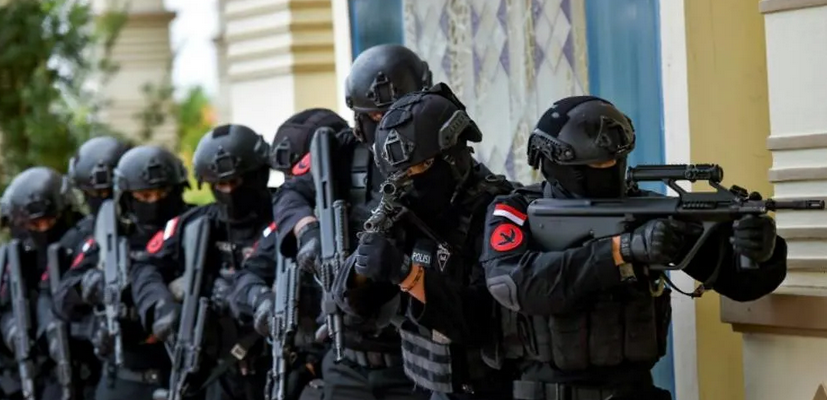
JAKARTA: Generous Indonesians donating their spare change to the poor and needy are unwittingly helping finance deadly terror attacks and militant training camps in a scam that has netted big money for extremist groups.
Former radical Khairul Ghazali once spent his days visiting restaurants, convenience stores and supermarkets to drop off charity boxes, wearing an official-looking uniform to avoid suspicion.
Passers-by would slot in coins and crumpled banknotes in the belief that they were helping the impoverished, orphaned children or maybe a Palestinian aid organisation.
But Ghazali’s boxes secretly belonged to Jemaah Islamiyah (JI) – the notorious network behind Indonesia’s deadliest terror attack, the 2002 Bali nightclub bombings.
“People can’t tell the difference between these and other charity boxes,” said Ghazali, 56, who now runs an Islamic boarding school and tries to deradicalise former extremists.
“The money collected is usually used to pay for terrorism.”
With little outside funding, hardline Islamist groups depend on the charity box scam to pay for operations across Indonesia, the world’s biggest Muslim-majority nation, which has suffered a series of hotel bombings and other attacks over the years.
North Sumatra police said in March they had seized more than 500 boxes suspected to be funding pipelines for the Islamic State group and radicals linked to Al Qaeda.
The seizure, weeks before an IS-inspired married couple blew themselves up at a church on Good Friday, was the tip of the iceberg.
A JI militant arrested last year admitted that one foundation linked to the notorious terror group was running more than 20,000 boxes nationwide, police said at the time.

READ: Indonesian police say new Jemaah Islamiyah cell was recruiting, training
“MASSIVE SCALE”
There are no official figures on the number of illicit charity boxes around Indonesia, but experts believe they are in every city and region across the sprawling Southeast Asian archipelago.
“This is not new but the scale of it, which is now massive, is something new,” said Jakarta-based security analyst Sidney Jones.
Most Indonesian terror groups now rely “overwhelmingly” on domestic funding to pay for day-to-day operations, she said.
Terror groups have also raised cash from member and sympathiser donations, online fundraising and laundering money through legitimate businesses, such as Indonesia’s many palm oil plantations.
“But the attacks that have happened after the Bali Bombing have been mainly funded through charity box funds,” Ghazali said.

Funds from the scam have been traced to militant training camps in ultra-conservative Aceh province and the East Indonesia Mujahideen, a radical group blamed for beheading four Christian farmers on the island of Sulawesi last month.
They are also used to help families of radicals jailed or killed by Indonesia’s counter-terror squad, and police suspect they have been used to pay for militants’ trips to Syria.
It has proved a dependable way for extremists to raise funds under the radar with one box raising about US$350 every six months or so, Ghazali said.
“It is more convenient and risk-free,” he added.
“There’s no chance of bloodshed like in a robbery.”
Ghazali spent five years in prison for masterminding a 2010 bank heist – once a staple funding source for extremist groups – that left a security guard dead.
It was around this time that terror groups began turning their back on robbery and other risky crimes in favour of more covert fundraising methods.
READ: IN FOCUS: How Indonesian prisons are battlegrounds for deradicalisation
“DANGEROUS HABIT”
Illicit boxes are usually linked to foundations backed by extremist groups or their sympathisers – and registered with authorities to appear legitimate.
They are required to report income and some revenue usually does go to charitable causes.
But that is after money is siphoned off to fund extremist operations.
“So, there are actually orphans or poor people being taken care of through these boxes, but it’s a cover up,” University of Indonesia terrorism expert Ridlwan Habib told AFP.
The cash nature of donations makes it tough for authorities to root out shady organisations.
“That’s how they can survive for years by raising money this way without being noticed,” Ghazali said.
And the scheme’s success means that extremists are likely to keep manipulating the goodwill of Indonesians, who are among the world’s most generous in terms of charitable giving.
“Indonesians like to donate money and they’ll give away 2,000 or 5,000 rupiah (15 to 35 cents) without thinking twice,” said Sofyan Tsauri, a former militant familiar with the scheme.
“But it can be a dangerous habit because you don’t know how the money is being used.”
Some in North Sumatra were shocked when police revealed the scam had been operating in the province this year.
“My intention is only to help others when I donate money,” said Medan resident Sri Mulyani.
“I never thought it would be used for terrorism.”
Source: AFP/vc
 English
 简体中文
简体中文 Bahasa Indonesia
 Bahasa Melayu