
Covid-19 (June 29): 107 deaths, 6k new cases again, record in KL, ICU cases rising
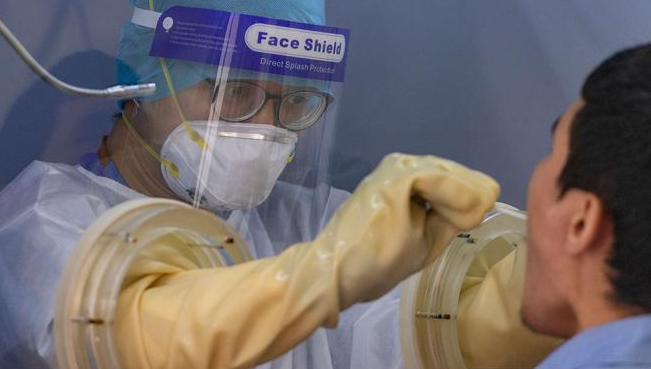
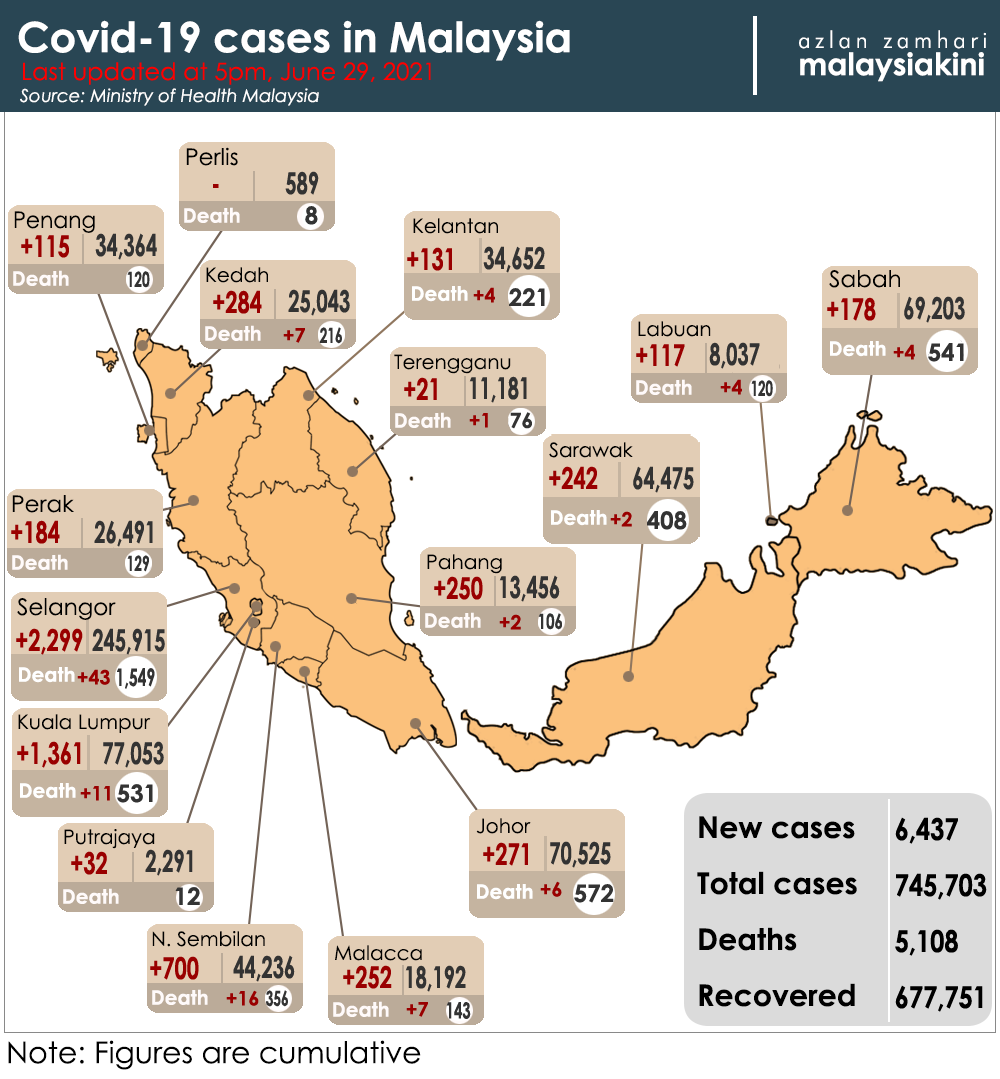
The Health Ministry today reported 6,437 new Covid-19 cases, the first time in 11 days it climbed above 6,000.
Another 107 deaths attributed to Covid-19 were reported today. This is the fifth time reported deaths exceeded the 100 mark.
Active cases have been on a five-day uptrend while the number of patients who need intensive care has risen to 905, after reaching a recent low of 866 four days ago.
- Active cases: 62,844
- Patients in ICU: 905
- Intubated: 455
New cases by state
- Selangor (2,299)
- Kuala Lumpur (1,361)
- Negeri Sembilan (700)
- Kedah (284)
- Johor (271)
- Malacca (252)
- Pahang (250)
- Sarawak (242)
- Perak (184)
- Sabah (178)
- Kelantan (131)
- Labuan (117)
- Penang (115)
- Putrajaya (32)
- Terengganu (21)
- Perlis (0)
There was a significant surge in Kuala Lumpur. It reported 1,361 new Covid-19 cases, the highest for the federal territory since the start of the pandemic in the country last year.
The previous record in Kuala Lumpur was 884 new cases on June 11.
The number of fresh infections in Negeri Sembilan remained elevated. It ranked third in new cases with 700 infections today.
As of last night, the R-naught for the country has climbed up to 1.00, which suggests the spread of Covid-19 was stagnant.
Previously, the R-naught was below 1.00 between June 6 and June 27, indicating slowing infection rates.
The five regions where the R-naught was more than 1.00 are Selangor, Malacca, Negeri Sembilan, Pahang, and Perak.
Deaths
With another 107 deaths attributed to Covid-19 today, the current death toll has reached 5,108.
Selangor (43) reported the highest number of deaths followed by Negeri Sembilan (16), Kuala Lumpur (11), Kedah (7), Malacca (7), Johor (6), Kelantan (4), Sabah (4), Labuan (4), Sarawak (2), Pahang (2), and Terengganu (1).
Fourteen of the victims were pronounced dead upon arrival at the hospital.
Details of the victims are documented on Malaysiakini’s Covid-19 tracker page.
Clusters
The Health Ministry is currently monitoring 887 active Covid-19 clusters, up from 630 active clusters exactly a month ago.
Another 27 new clusters were classified today of which 14 were community spread clusters while 13 involved workplaces.
Taman Desa An Nur cluster
Category: Community
State(s): Kelantan
District(s): Kota Bharu
Total infected: 11 out of 30 screened
Banggol Chicha Ketereh cluster
Category: Community
State(s): Kelantan
District(s): Kota Bharu
Total infected: 10 out of 21 screened
Kampung Lada cluster
Category: Community
State(s): Pahang
District(s): Jerantut
Total infected: 24 out of 121 screened
Sungai Ling cluster
Category: Community
State(s): Pahang
District(s): Maran
Total infected: 14 out of 37 screened
Jalan Empat Bandar Baru Bangi cluster
Category: Community
State(s): Selangor
District(s): Hulu Langat
Total infected: 39 out of 289 screened
Cahaya Enam cluster
Category: Community
State(s): Selangor
District(s): Sabak Bernam
Total infected: 13 out of 65 screened
Kenawar 69 cluster
Category: Community
State(s): Johor
District(s): Segamat
Total infected: 19 out of 72 screened
Jalan Bidara cluster
Category: Community
State(s): Johor
District(s): Tangkak
Total infected: 10 out of 13 screened
Rimba Raja cluster
Category: Community
State(s): Perak
District(s): Perak Tengah
Total infected: 12 out of 45 screened
Kampung Jelutong cluster
Category: Community
State(s): Perak
District(s): Kampar
Total infected: 13 out of 42 screened
Muhibbah Menggatal cluster
Category: Community
State(s): Sabah
District(s): Kota Kinabalu, Penampang and Tuaran
Total infected: 42 out of 277 screened
Nanga Belungai cluster
Category: Community
State(s): Sarawak
District(s): Tatau
Total infected: 13 out of 51 screened
Jalan Putra Sembilan cluster
Category: Community
State(s): Putrajaya
District(s): Putrajaya
Total infected: 12 out of 17 screened
Industri Balakong Sembilan cluster
Category: Workplace
State(s): Selangor
District(s): Hulu Langat
Total infected: 20 out of 80 screened
Jalan PJS Lapan cluster
Category: Workplace
State(s): Selangor
District(s): Petaling
Total infected: 17 out of 28 screened
Tapak Bina Sunsuria City cluster
Category: Workplace
State(s): Selangor
District(s): Sepang
Total infected: 34 out of 81 screened
Industri Sungai Chua Satu cluster
Category: Workplace
State(s): Selangor
District(s): Hulu Langat
Total infected: 11 out of 64 screened
Jalan Alor Setar cluster
Category: Workplace
State(s): Kuala Lumpur
District(s): Cheras
Total infected: 6 out of 71 screened
Tapak Bina Jalan Choo Cheng Kay cluster
Category: Workplace
State(s): Kuala Lumpur
District(s): Lembah Pantai
Total infected: 12 out of 48 screened
Tapak Bina Jalan Tun Razak cluster
Category: Workplace
State(s): Kuala Lumpur
District(s): Titiwangsa
Total infected: 25 out of 31 screened
Industri Lorong Bunga Tanjung Satu cluster
Category: Workplace
State(s): Negeri Sembilan
District(s): Seremban, Kuala Pilah, Port Dickson and Rembau
Total infected: 101 out of 184 screened
Jalan Dataran Segar cluster
Category: Workplace
State(s): Negeri Sembilan
District(s): Port Dickson and Seremban
Total infected: 46 out of 99 screened
Jalan TJ 2 cluster
Category: Workplace
State(s): Negeri Sembilan
District(s): Seremban
Total infected: 49 out of 225 screened
Industri Benus cluster
Category: Workplace
State(s): Pahang
District(s): Bentong and Raub
Total infected: 73 out of 449 screened
Jalan Jaya Temerloh cluster
Category: Workplace
State(s): Pahang
District(s): Temerloh and Maran
Total infected: 15 out of 111 screened
Jalan Pee Kang Hai cluster
Category: High-risk group
State(s): Johor
District(s): Segamat
Total infected: 29 out of 32 screened
Jalan Tanggilan cluster
Category: Private educational institution
State(s): Putrajaya and Selangor
District(s): Putrajaya and Kuala Langat
Total infected: 9 out of 39 screened
Source:Malasiakini
South Korean companies offer employees COVID-19 vaccines at work
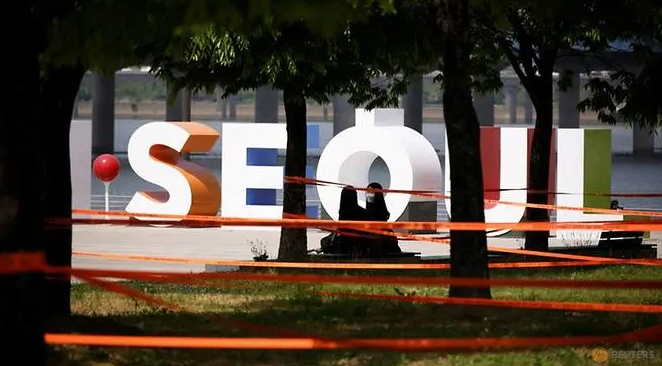
SEOUL: South Korea’s large manufacturing employers have received permission from the country’s health authorities to administer COVID-19 vaccines at in-house clinics, hoping to speed up inoculation of their employees.
The inoculation plans come amid the South Korean government’s push to ramp up vaccinations after a slow start. South Korea has inoculated 15.3 million people, or about 30 per cent of its population, with at least one dose since it began administering vaccines in February.
Affiliates of the country’s biggest conglomerate Samsung Group, including Samsung Electronics, Samsung Display and Samsung SDI, plan to offer vaccine doses to employees at work next month, the companies said on Tuesday.
Samsung affiliates plan to offer Moderna’s COVID-19 vaccines for its office and production workers, as well as workers from suppliers in South Korea who sign up for doses.
READ: South Korea to loosen COVID-19 social distancing rules on Jul 1
READ: South Korea’s SK bioscience to invest US$132 million to boost vaccine production
Other large companies registered to provide doses include chipmaker SK Hynix and panel maker LG Display, according to the companies. Under the plans only companies’ own staff and stationed workers from suppliers are eligible for the vaccinations.
South Korea reported 595 new infections in the 24 hours up to midnight on Monday, bringing its tally to 156,167 cases, the Korea Disease Control and Prevention Agency said, with a death toll of 2,017.
Source: Reuters/ga
Taiwan to get vaccine boost with more Moderna shots on their way
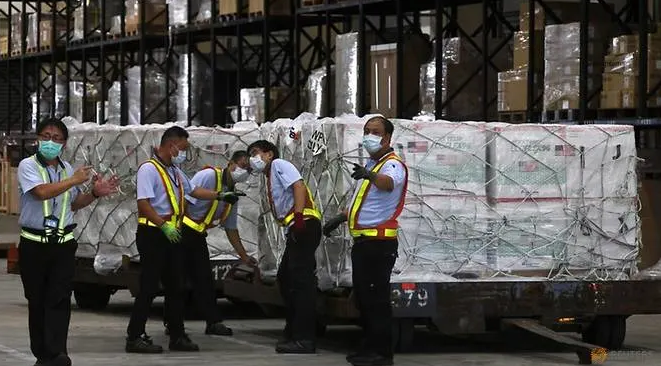
TAIPEI: A further 410,000 doses of Moderna Inc’s COVID-19 vaccine will arrive in Taiwan on Wednesday, Deputy Minister of the Interior Chen Tsung-yen said on Tuesday (Jun 29), further boosting the island’s efforts to fight a cluster of local infections.
Only around 8 per cent of Taiwan’s 23.5 million people have received at least one of the two-shot regimen against COVID-19, and the government has been under pressure to speed up deliveries of the millions of doses it has on order.
READ: Taiwan’s COVID-19 cases fall to month-and-a-half low
“The flight with the 410,000 doses should arrive tomorrow afternoon or early evening if everything is as normal,” Chen told reporters.
The government had previously confirmed it would receive part of its direct order for 5.05 million doses from Moderna on Wednesday, but had not directly said how many would be coming.
Taiwan has received a total of 4.85 million COVID-19 vaccine doses to date, including 1.24 million donated by Japan and 2.5 million donated by the United States. Japan has pledged another 1 million, while Lithuania is giving Taiwan 20,000.
READ: Taiwan to extend COVID-19 curbs into July
Taiwan’s own direct orders also include 10 million doses from AstraZeneca Plc and 4.76 million from the COVAX global sharing scheme for lower income countries.
It has another 10 million doses on order from two Taiwanese companies who are developing domestic vaccines, but it remains unclear when they might start being administered as they have yet to be approved by the government.
Taiwan’s own domestic outbreak of the virus is being brought under control, but it remains wary about a handful of cases of the highly contagious Delta variant in southern Taiwan.
Source: Reuters/ad
Restaurant owners in Thailand frustrated by renewed dining-in ban to curb COVID-19
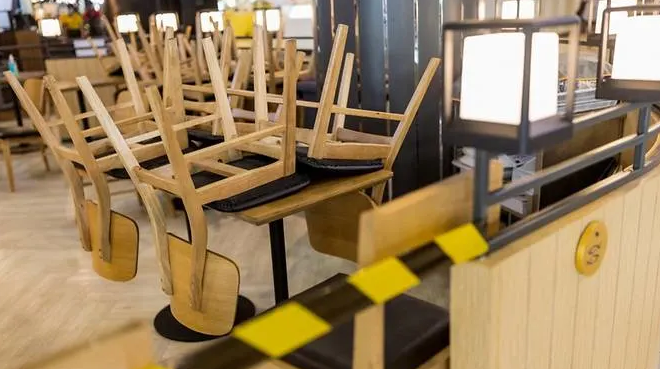
BANGKOK: Owners of eateries in Bangkok and nearby provinces were left frustrated after a ban on dining-in was reimposed on Monday (Jun 28), a week after the government relaxed COVID-19 control measures.
The ban was announced late Saturday night after Thailand’s daily case numbers rose above 2,000 for several weeks. It was enforced along with other restrictions on interprovincial travel, construction sites and gatherings in various parts of the country, and will last at least 30 days.
This came as a blow to many restaurant owners, some of whom had just begun to recover from the previous dining-in ban.
“How did I feel when I heard about the latest restrictions? Exasperated,” said Mika Apichatsakol. Her vegan eatery Bangkok City Diner had suspended its dining-in services from May 1 to follow the government’s order. Since then, it has only managed to serve food for deliveries.
READ: Thailand to reimpose COVID-19 curbs to contain outbreak
“We had actually planned to reopen for dine-in on Jul 1. We announced it about a week ago, and now we’ll just be going back to deliveries only,” Mika told CNA.

Thailand is battling a third wave of COVID-19 infections, which started in April when a cluster was found at high-end nightclubs in Bangkok.
More than 220,000 people have since tested positive for the coronavirus and at least 1,840 patients have died from the disease.
To curb the spread, the government imposed restrictions on eateries and various businesses. Still, the situation worsened last month when the virus infected inmates in crowded prisons and detention facilities nationwide.
Last week, some control measures were eased and food and beverage outlets were allowed to stay open for diners until 11pm. But that did not last long.
READ: Thailand to shut construction sites, seal off camps to contain COVID-19
Many new clusters were reported and a number of them involved workers in construction and service industries.
According to Thailand’s Disease Control Department, health officials are monitoring more than 100 clusters in Bangkok alone.
The situation prompted Prime Minister Gen Prayut Chan-o-cha to impose certain restrictions in areas with high COVID-19 infections such as Bangkok and its nearby provinces.

For some restaurateurs, the return of the ban on dining-in services has devastating impact on their businesses and staff members. Each wave of outbreaks came with restrictions that slashed their income and shrank their capital with hardly any compensation from the government.
“I was watching the news until 1am and I was puzzled,” said restaurateur Thavalsak Grajangpho from Ruean Rim Nam in Bangkok.
“I think it’s the same for every restaurant that had done so – all of a sudden, in the morning, we had to cancel all our orders,” he added.
I was quite surprised and I think it’s unfair.
On Monday, Gen Prayut promised compensation for entrepreneurs and employees affected by his latest order. They include restaurant owners, their staff members, construction workers and their employers in Bangkok and its vicinity.
“We’re no less affected than you are, even more so actually because we have to make sure everybody can live through this period. Let me tell you, many countries even have it worse than we do right now,” he said in a press briefing after meeting economic advisors at the Government House.
“I’ll do my best to take care.”

According to Danucha Pichayanan, secretary-general of the National Economic and Social Development Council, employees affected by the new set of restrictions will receive 50 per cent of their salary but no more than 7,500 baht (US$235) from the government, with an additional 2,000 baht (US$63), if they are registered in the social security system.
Employers will receive 3,000 baht (US$94) for every employee as long as they too are registered in the system. However, the number of employees is capped at 200.
“In case entrepreneurs and employees are not in the system but need help, please quickly register yourselves in the social security system,” Danucha said in a press conference at the Government House on Monday.
“Employers will then receive 3,000 baht for each employee they have. Employees of Thai nationality will then get 2,000 baht each as well.”
However, these employees will not receive the subsidy, which is worth half of their salary. They are required by law to contribute to the social security fund for at least six months before they can receive the subsidy, according to Danucha. The subsidy is available for one month.
For restaurant owners like Thavalsak, who still have to pay rent and workers, the future remains uncertain.
“This wave is worse than the first time and there is no guarantee that after a month of closure, it will really be over,” he told CNA. “I’m angry, definitely. I feel like they don’t empathise with SMEs (small- and medium-sized enterprises) like us at all.”
“I think everyone is wondering why restaurants are shut and not venues like malls, and how many of the COVID-19 clusters are actually caused by restaurants,” Mika added.
Source: CNA/pp(ta)
Mix-and-match approach boosts COVID-19 immune response of AstraZeneca shot, UK study finds
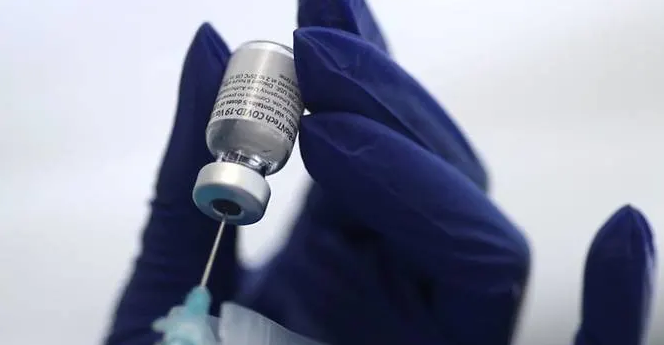
LONDON: A mixed schedule of vaccines where a shot of Pfizer’s COVID-19 vaccine is given four weeks after an AstraZeneca shot will produce better immune responses than giving another dose of AstraZeneca, an Oxford study said on Monday (Jun 28).
The study, called Com-COV, compared mixed two-dose schedules of Pfizer and AstraZeneca vaccines, and found that in any combination, they produced high concentrations of antibodies against the coronavirus spike protein.
The data provides support for the decision of some European countries that have started offering alternatives to AstraZeneca as a second shot after the vaccine was linked to rare blood clots.
Matthew Snape, the Oxford professor behind the trial, said that the findings could be used to give flexibility to vaccine rollouts, but was not large enough to recommend a broader shift away from clinically approved schedules on its own.
“It’s certainly encouraging that these antibody and T-cell responses look good with the mixed schedules,” he told reporters.
“But I think your default has to stay, unless there’s a very good reason otherwise, to what is proven to work,” he added referring to the same-shot vaccine schedules assessed in clinical trials.
The highest antibody response was seen in people receiving two doses of Pfizer vaccine, with both mixed schedules producing better responses than two doses of AstraZeneca vaccine.
READ: Thailand to narrow gap for AstraZeneca COVID-19 shots in bid to curb Delta variant
READ: Vietnam to receive 1 million doses of AstraZeneca COVID-19 vaccine weekly from July
An AstraZeneca shot followed by Pfizer produced the best T-cell responses, and also a higher antibody response than Pfizer followed by AstraZeneca.
The results were for combinations of vaccines given at four week intervals to 830 participants.
Com-COV is also looking at mixed schedules over a 12-week interval, and Snape noted that AstraZeneca’s shot was known to produce a better immune response with a longer interval between doses.
In Britain, officials have suggested an 8-week gap between vaccine doses for over-40s and a 12-week gap for other adults.
“Given the UK’s stable supply position there is no reason to change vaccine schedules at this moment in time,” England’s Deputy Chief Medical Officer Jonathan Van-Tam said, adding that the data on a 12-week interval would influence future decisions on the rollout programme.
Over 80 per cent of adults in Britain have now received one dose of COVID-19 vaccine and 60 per cent have had two shots.
Source: Reuters/ec
 English
 简体中文
简体中文 Bahasa Indonesia
 Bahasa Melayu