
Covid-19 (July 30): 16,840 new cases, record high in Sabah
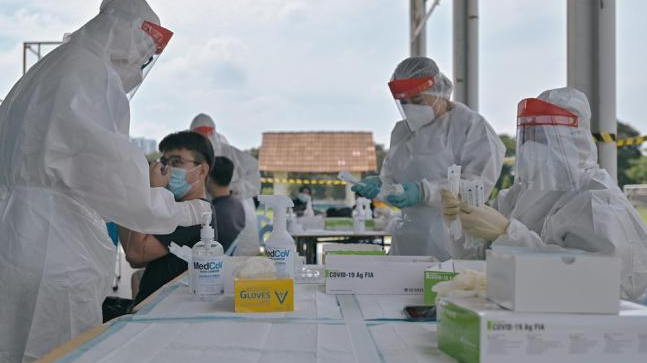
COVID-19 | The Health Ministry reported 16,840 new cases of Covid-19 as of noon today.
Today marked the 19th straight day where a new record was set for active Covid-19 cases.
Consequently, the number of patients in intensive care or requiring ventilator support is also at its highest today.
Sampling rates have yet to be released at the time of writing.
- Active cases: 183,706
- Patients in ICU: 1,055
- Intubated: 532
States
Thailand bans ‘false messages’ amid criticism of handling of COVID-19
BANGKOK: Thailand on Friday (Jul 30) banned the dissemination of “false messages” that affect security, drawing accusations from media groups that it is trying to crack down on criticism of its handling of the coronavirus pandemic.
Prime Minister Prayut Chan-o-cha said this week that the spread of fake news had become a major problem causing confusion in society and undermining the government’s ability to manage the pandemic.
An emergency decree that took effect on Friday prohibits the dissemination of false messages and distorted news that causes panic, misunderstanding or confusion “affecting state security, abusing the rights of others, and order or good morality of the people”.
The decree empowers the state regulator, the National Broadcasting and Telecommunications Commission (NBTC), to order service providers to block Internet access to individual IP addresses if it believes they are disseminating false news and to inform the police to take legal action.
The decree comes after the government has faced public criticism over its handling of the pandemic.
READ: PM Prayut downplays severity of Thailand’s COVID-19 situation, claims other countries have it worse
For most of last year Thailand managed to keep the virus at bay but a recent surge of infections, driven by the Delta variant of the virus, has been the deadliest yet.
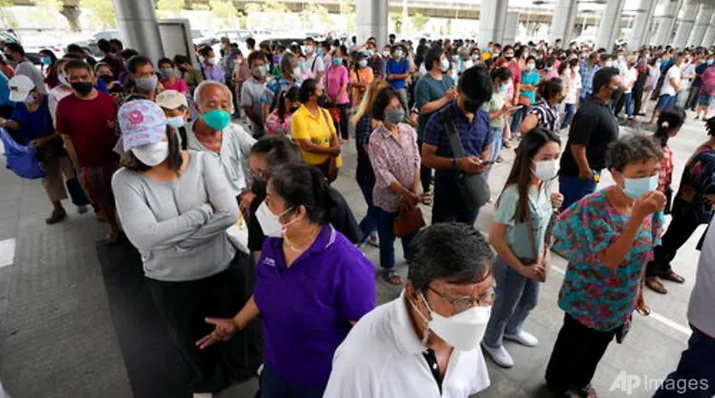
A sluggish vaccine roll-out has led to huge crowds queuing up day after day in some places for COVID tests and inoculations.
The government already has sweeping powers to enforce measures to tackle the coronavirus and rules for control of the Internet. Authorities have been taking legal action against some people, including some celebrities and social media influencers, who have criticised the pandemic response.
READ: Thai hospitals short of beds as COVID-19 cases soar
These include 19-year-old rapper, Danupa “Milli” Khanatheerakul, who was fined 2,000 baht (US$60) on a charge of “public insult” last week after accusing the government on social media of mishandling the COVID-19 crisis.
Six media associations said in a joint statement the government’s legal actions showed “an intent to crack down on the freedom of expression enjoyed by the media and the public”.
The associations are planning to deliver a letter protesting against the government’s new order on Friday.
The government has said that legal action against “false messages” was not aimed at silencing the media.
Source: Reuters/vc
As Malaysia grapples with record COVID-19 cases, authorities ramp up mass vaccination to stem the tide
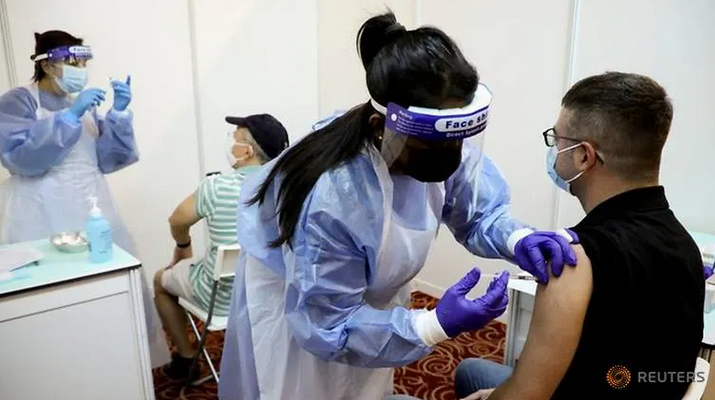
As COVID-19 rages in Southeast Asia, regional governments are racing to roll out their national vaccination programmes. In the third and final part of a series, CNA looks at how Malaysia is banking on a high vaccination rate to tackle the pandemic.
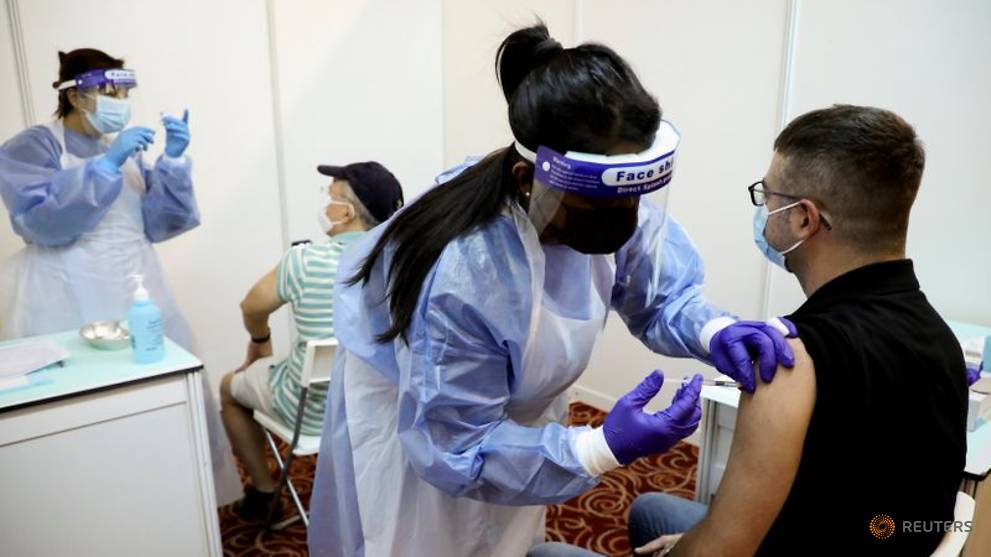
It was 7pm but the appointment was 6pm the same day.
The corporate communications executive immediately put down her utensils and rushed over to the vaccine distribution centre, located about 45 minutes from her house.
“I drove like The Fast and The Furious over to the centre, because I heard it closes around 8pm,” she said with a laugh.
Ms Lam has been checking her MySejahtera a few times a day since registration for vaccination opened to the public in late February this year. She had also tried to snatch a slot when the government rolled out the voluntary opt-in for AstraZeneca vaccines in May, but to no avail.

Upon arriving at the vaccination centre, her hands were trembling from the adrenaline rush. She prayed hard that she would be allowed to take her first shot before the centre closed for the day, and she was.
“If I hadn’t rushed over, who knows when I’d be eligible again, maybe next year? Hence I’d rather be late to the appointment, than not even take the chance,” said Ms Lam.
READ: Uneven distribution, bureaucracy hamper Indonesia’s COVID-19 national vaccination efforts
Since Malaysia received its first batch of vaccines back in late February, it’s National COVID-19 Immunisation Programme (NCIP) has been gaining steam. NCIP is divided into a number of phases, beginning with immunising the country’s health and security frontliners.
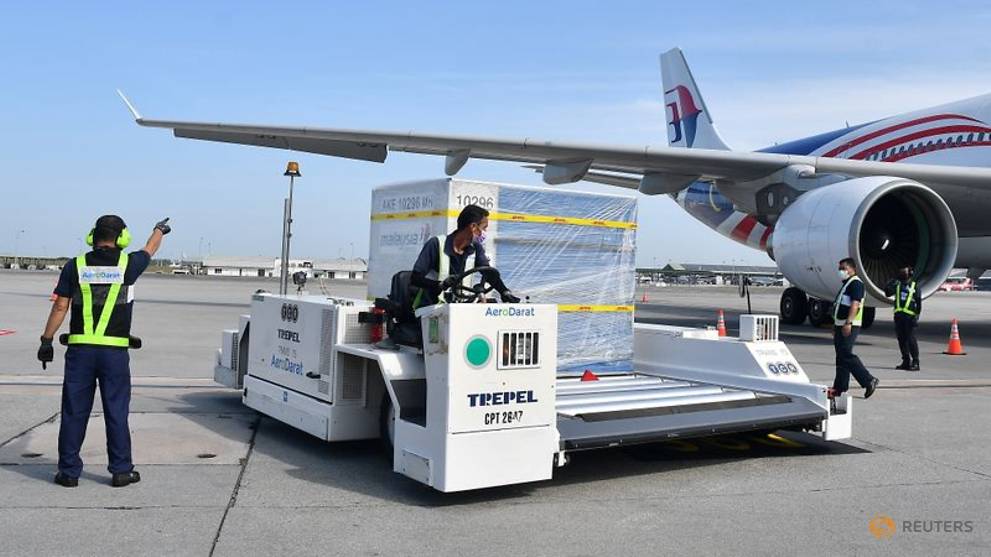
With a steady stream of supplies, vaccination was ramped up across the country. The programme has been breaking daily records in terms of daily doses being administered.
At the same time, however, the situation for Malaysia’s COVID-19 cases has also taken a turn for the worse, with record high infections and deaths being reported.
Increasing the vaccination capacity is the most effective way for Malaysia to get out of the COVID-19 pandemic crisis, Prime Minister Muhyiddin Yassin said in parliament on Monday (Jul 26).
One hundred per cent of adults may be fully vaccinated by October, he added, ahead of the original target of 80 per cent of adults by the first quarter of 2022.
But is vaccination the silver bullet to end Malaysia’s crisis? Experts cautioned that while vaccines can be a key tool, other control measures must still be enforced.
VACCINATION DRIVE GAINING TRACTION
On Wednesday, Malaysia hit another record high for new COVID-19 cases with 17,405 infections. The country has over 1.07 million cases so far.
The current record for COVID-19 deaths logged in a single day is 207, which happened both on Monday and Tuesday.
Kuala Lumpur and Selangor have been consistently contributing the bulk of cases. As such, the government launched the “Operation Surge Capacity” to accelerate the vaccination drive in the Klang Valley, with a goal of administering at least one dose for people aged 18 and above by Aug 1.
Currently, Malaysia’s national vaccination programme uses Pfizer-BioNTech, AstraZeneca and Sinovac.
The country has also granted conditional approval for emergency use to CanSino, Sinopharm and Janssen, and procured Russian-developed Sputnik V. It will also receive Novavax from the COVAX vaccine sharing programme.
Malaysia has allocated RM5.8 billion (US$1.36 billion) to carry out the immunisation programme, which has procured enough doses to cover 130 per cent of Malaysia’s population.
There are currently 2,313 vaccine distribution centres across the country, including private clinics and ambulatory care. In addition, some states and federal territories have also employed mobile vaccine trucks to speed up inoculation, as what happened back in mid-June when four vaccine tracks administered doses to some 7,000 residents in public housing projects in Kuala Lumpur.
READ: People can record COVID-19 vaccination process, says Khairy following claims of improperly administered doses
The COVID-19 Immunisation Task Force (CITF) has announced that walk-in vaccinations for Selangor and Kuala Lumpur can take place from Aug 1 onwards for those who were left out and have not received any appointment date thus far, including those without identity or travel documents.
Coordinating minister for the national immunisation programme Khairy Jamaluddin also announced on Jul 25 that guidelines for illegal immigrants and refugees to receive their COVID-19 vaccines had been approved, and that non-governmental organisations such as the Red Crescent would be involved in the immunisation exercise for such communities.
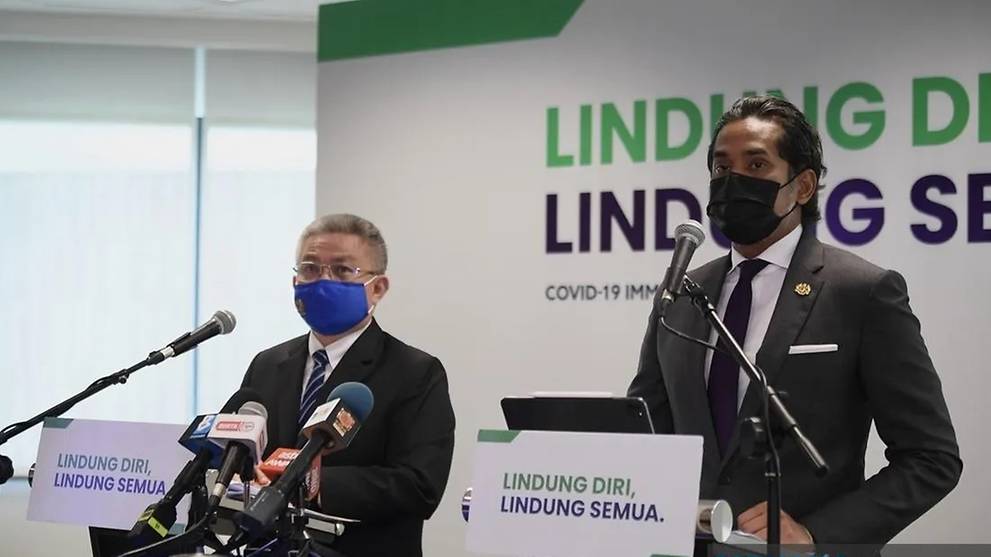
According to Mr Khairy, 38.2 per cent of Malaysia’s population, or 12.49 million people, have received at least one dose of vaccine as of Jul 27. From the total, over 5.9 million or 18.1 per cent of population have been fully vaccinated.
For the adult population, 25.2 per cent are fully vaccinated, he added.
Malaysia, which has a population of 32 million, is among the fastest countries to vaccinate its people against COVID-19, said Mr Muhyiddin on Monday.
Public health researcher Lim Chee Han agreed that one would hardly complain about the speed with the current rollout rate, which has been accelerated since early last month following a slow start due to delivery delays.

“In fact, it is faster than the world’s average (13.23 per cent fully vaccinated) and Asia’s average (9.81 per cent),” he said.
On Tuesday, Labuan, the federal territory in East Malaysia, became the first in the country to fully vaccinate 80 per cent of its adult population. It has an adult population of 68,500.
LOW REGISTRATION AND INOCULATION RATE IN SOME STATES
The vaccination drive is not without challenges.
In some parts of the country, “anti-vax” movement and vaccine hesitancy are a concern.
Dr Lim said that even before COVID-19, anti-vaccination beliefs cut across different socio-economic and education levels and the urban-rural divide.
“So I do not think that vaccine hesitancy presents a clear baseline pattern of distribution, perhaps except slightly more obvious for some religious groups in parts of the north and east coast of Peninsular Malaysia on the claim of vaccines’ halal-ness,” he added, pointing out that the northern state of Kedah used to have the worst child immunisation rates prior to the pandemic.
Vaccine registration in east coast states Kelantan and Terengganu are at 62.5 per cent and 76.7 per cent respectively, while Kedah’s stands at 77.9 per cent, as of Jul 27.
They are lagging behind Selangor and Negeri Sembilan as well as the federal territories of Kuala Lumpur and Putrajaya, where 100 per cent of eligible adults have registered to be vaccinated.
Sabah, meanwhile, has the lowest registration rate among all states. Only 40.5 per cent or 1.12 million people of its eligible adult population registered for the programme.
READ: What is ivermectin and why Malaysia is in no rush to approve it for COVID-19 treatment
Speaking to CNA on Jul 21, Sabah State Minister for Housing and Local Government Masidi Manjun said the low registration was due to the Borneon state’s geography and infrastructure, but the registration number is not the state government’s main concern.
“Due to limited Internet penetration in the rural areas, many people prefer to do manual registration,” he explained.
The state minister added that there is an immunisation task force in every state district, coordinated by the district officer to ensure citizen receive their vaccines.
As for inoculation rate, Selangor and Kuala Lumpur have administered the highest number of first doses, at 2.66 million and 2.079 million respectively. By contrast, Kelantan and Sabah have only administered about 360,000 and 650,000 first shots as of Jul 25.
READ: Malaysia government contract doctors frustrated over lack of job security, benefits as COVID-19 drags on
Mr Masidi told CNA that per ratio to population, Sabah was the lowest recipient of vaccines among the states in Malaysia. The Sabah Health Department’s inoculation capacity could hit 50,000 doses daily, but was doing an average of 12,000 doses to spread out the doses until new supplies were delivered, he said last week.

“We would prefer to do walk-in vaccinations – register and get inoculated, and the state has made available buildings to be turned into vaccination centres. In fact, many can be used immediately,” he said.
Research assistant Sabrina Melisa Aripen was among the Sabahans who were still waiting for an appointment.
She signed up as soon as the vaccination registration function was added to the MySejahtera app, and the wait has been very frustrating. Her parents, who are 82 and 76, as well as her friends with special needs or comorbidities have not received their appointments yet as well.
“But I see young, healthy and able-bodied people who aren’t frontliners sharing that they’ve received their doses, how is this fair?” Ms Sabrina said.

She had assumed that her turn would come quickly when the government said vaccines would be given in phases, since she is in her 40s. But she was still not vaccinated when the government announced that from May onwards, those above 18 would soon receive their appointments.
With questions on the immunisation drive’s efficiency and the selection process went unanswered, Ms Sabrina felt overlooked.
Her predicament might soon be relieved with more vaccines being delivered to Sabah.
Mr Masidi announced on Jul 21 that the state had received a total of 747, 980 doses (including 152,100 delivered previously) and another 308,990 doses were scheduled to arrive the following week.
With the arrival, daily inoculation could be ramped up. State Health Director Rose Nani Mudin said on the same day that Sabah could reach 40,000 daily jabs, from 30,000.
READ: Commentary – What’s behind no-shows in vaccination centres across Malaysia?
VACCINES NOT A SILVER BULLET
For those who have already received both doses of their vaccination, some respite from the varying levels of lockdown might be on the horizon.
Earlier on Jul 24, Mr Muhyiddin said those fully vaccinated might be able to enjoy privileges such as being able to participate in sports and social activities, and even dine-ins, as “breathing space”.
Malaysians have been enduring lockdowns in one form or another since the first movement control order (MCO) was imposed on Mar 18 last year.
READ: Thailand’s COVID-19 national vaccination programme hit by supply shortage, uncertain delivery schedule
The appearance of the Delta variant in Sarawak, with 93 cases detected up until Jul 25, and in other states is also an impetus to vaccinate as many eligible people as possible.
In a virtual media presser, Health Ministry director-general Noor Hisham Abdullah urged Malaysians to get their jabs, stating that those inoculated were much less infectious, and unlikely to get as sick.
Dr Noor Hisham pointed out that although 2,779 healthcare workers had been infected after they were fully vaccinated, most were category one (asymptomatic) or two (light symptoms).
Meanwhile, there were only three patients each in categories three (symptomatic with lung infection) and four (requiring oxygen assistance).
However, vaccination drive is no “silver bullet” for Malaysia’s case numbers, Dr Lim cautioned.

“From a public health and life sciences point of view, the current vaccines we have are not ‘silver bullets’, they cannot eliminate disease transmission, though they are expected to significantly reduce the number of cases and need for hospitalisation,” he explained.
Vaccination’s positive effect had yet to be observed as a large proportion of Malaysia’s populace was unvaccinated, and the number of fully-vaccinated people was still too small to significantly reduce the rising trend of local COVID-19 transmissions in certain areas, he added.
“Though currently the government seems like it’s running out of ideas, and it seems that the vaccination effort is their only effective response to the current predicament, many states will only achieve at least a 50 per cent fully vaccinated population by September,” he said.
And even then, Dr Lim added, a 50 per cent fully-vaccinated population was not a magic number to prevent COVID-19 from spreading. If lockdown measures stayed unchanged, more cases could be expected, especially fatalities, he cautioned.
For public health and health economics researcher Nazihah Muhamad Noor at Khazanah Research Institute, vaccines can be a key tool in ending the pandemic, but with provisos.

“But only if we can vaccinate the vast majority of the global population, not just Malaysia’s, quickly enough,” she observed.
“Global vaccine inequity has left the majority of the world population vulnerable and has allowed the virus to replicate in populations that are still susceptible, contributing to the emergence of new variants that can spread and prolong the pandemic everywhere, even in countries with advanced vaccination programmes,” Ms Nazihah pointed out.
As such, other pandemic controls such as testing, contact tracing, quarantine and masks still needed to be widely practised, she added.
Source: CNA/vt
Covid-19 (July 29): 17,170 cases, spike in Pahang
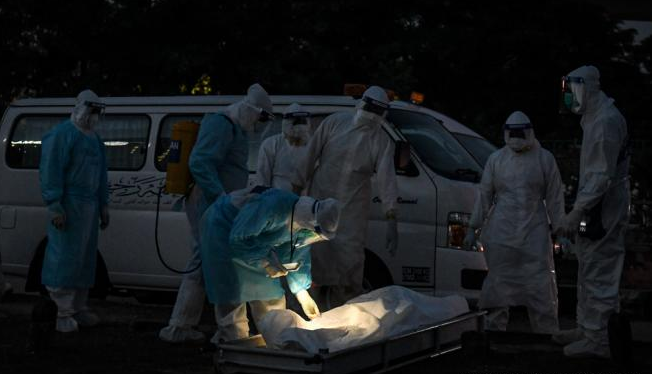
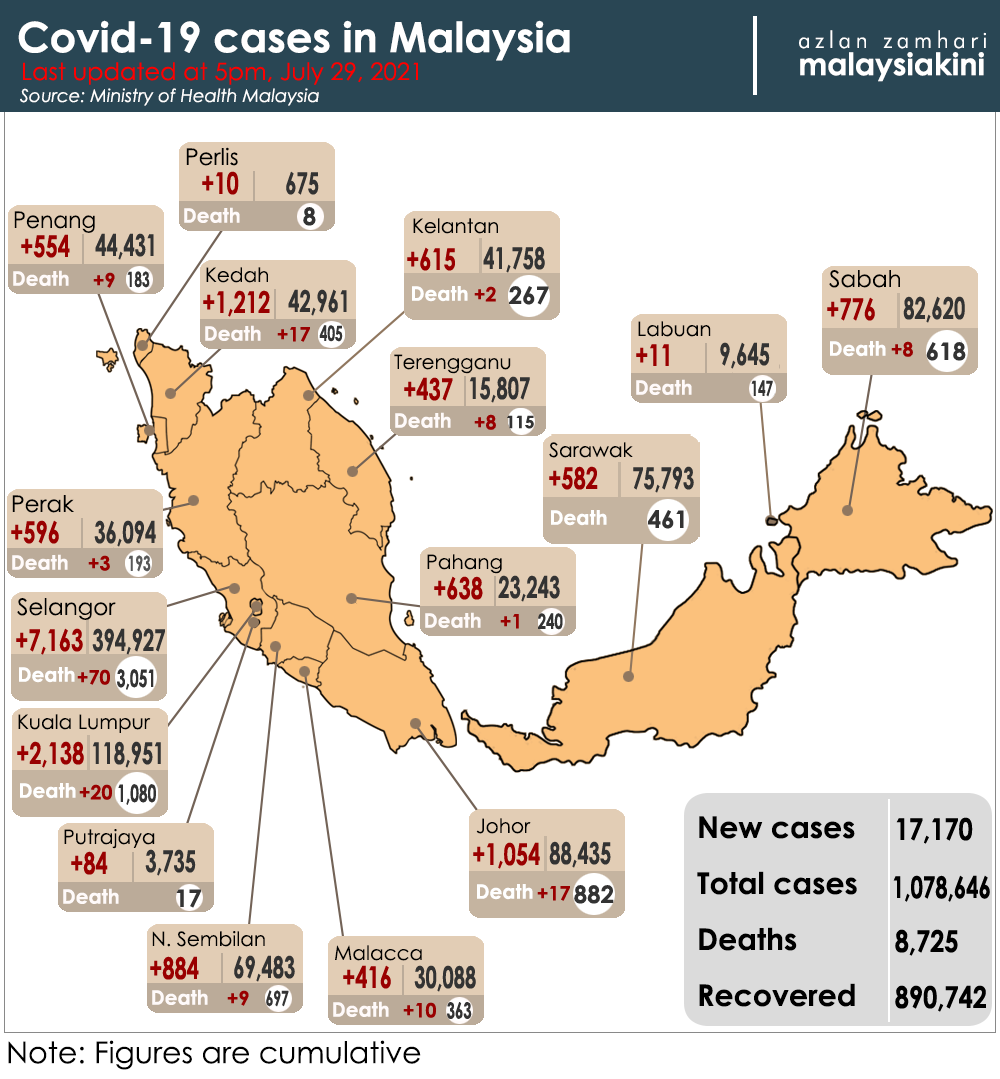
COVID-19 | Malaysia has recorded 17,170 cases today, according to the Health Ministry.
This is the second-highest after the 17,405 cases reported yesterday.
Active cases are at a record. New records for active cases are being set for 18 days straight.
Consequently, the number of patients in intensive care or requiring ventilator support is also at its highest today.
- Active cases: 179,179
- Patients in ICU: 1,043
- Intubated: 531
Most of the new cases (9,178; 53.5 percent) were identified after undergoing testing as close contacts, while 6,061 cases (35.3 percent) were found through other forms of screening.
Another 1,899 cases (11.1 percent) involved Covid-19 clusters, while 32 were imported (0.2 percent).
Deaths
There were 174 fatalities including 34 who did not have a history of chronic illness, bringing the death toll to 8,725.
The deaths were recorded in Selangor (70), Kuala Lumpur (20), Johor (17), Kedah (17), Malacca (10), Negeri Sembilan (9), Penang (9), Sabah (8), Terengganu (8), Perak (3), Kelantan (2), and Pahang (1).
Twenty-eight of the deceased had died before being brought to a hospital – 13 in Selangor, five in Sabah, four in Penang, two in Kuala Lumpur, two in Malacca, and two in Terengganu.
New cases by state
Most cases were still concentrated in the Klang Valley with 9,385 recorded across Selangor, Kuala Lumpur and Putrajaya.
Infections were still high in Kedah (1,212) which recorded four-digit figures for the fifth consecutive day.
Meanwhile, Pahang recorded a spike of 638 cases today, which is the highest ever recorded in the state. This is well above the average of 449 cases per day in the state including today.
- Selangor (7,163)
- Kuala Lumpur (2,138)
- Kedah (1,212)
- Johor (1,054)
- Negeri Sembilan (884)
- Sabah (776)
- Pahang (638)
- Kelantan (615)
- Perak (596)
- Sarawak (582)
- Penang (554)
- Terengganu (437)
- Malacca (416)
- Putrajaya (84)
- Labuan (11)
- Perlis (10)
Clusters
A total of 1,064 out of 3,604 clusters are still active. This includes the 36 new clusters reported.
Half of the new clusters were workplace clusters, while another 14 were community clusters. There were also three new clusters involving high-risk groups and one involving a detention centre.
Details of the new clusters are as follows:
Bandar Resort
Category: Workplace
State(s): Selangor
District(s): Hulu Langat, Kuala Langat, Petaling and Sepang
Total infected: 58 out of 261 screened
Sungai Puloh 14
Category: Workplace
State(s): Selangor
District(s): Klang and Petaling
Total infected: 29 out of 72 screened
Industri Seroja Lima
Category: Workplace
State(s): Selangor
District(s): Sepang
Total infected: 17 out of 30 screened
Tapak Bina Persiaran Rimba Permai
Category: Workplace
State(s): Selangor
District(s): Sepang
Total infected: 12 out of 214 screened
Jalan Sri Permaisuri Sembilan
Category: Workplace
State(s): Kuala Lumpur
District(s): Cheras and Titiwangsa
Total infected: 31 out of 88 screened
Jalan Helang Merah
Category: Workplace
State(s): Kuala Lumpur
District(s): Kepong
Total infected: 17 out of 50 screened
Jalan Empat C
Category: Workplace
State(s): Kuala Lumpur
District(s): Titiwangsa
Total infected: 9 out of 14 screened
Perdagangan Delima
Category: Workplace
State(s): Johor
District(s): Pontian and Kota Tinggi
Total infected: 22 out of 98 screened
Industri Taman Sembrong
Category: Workplace
State(s): Johor
District(s): Batu Pahat
Total infected: 13 out of 93 screened
Jalan Perang
Category: Workplace
State(s): Johor
District(s): Johor Bharu
Total infected: 13 out of 59 screened
Industri Jalan 2/44 Padang Tembak
Category: Workplace
State(s): Kelantan
District(s): Kota Bharu and Bachok
Total infected: 9 out of 18 screened
Taman Jaya Indah
Category: Workplace
State(s): Kelantan
District(s): Pasir Mas
Total infected: 5 out of 24 screened
Tapak Bina Ipoh Permai
Category: Workplace
State(s): Perak
District(s): Kinta
Total infected: 112 out of 193 screened
Jalan Syed Thaupy
Category: Workplace
State(s): Perak
District(s): Kerian
Total infected: 12 out of 50 screened
Sungai Mangga
Category: Workplace
State(s): Sarawak
District(s): Simunjan
Total infected: 55 out of 160 screened
Industri Jalan TJ Dua
Category: Workplace
State(s): Negeri Sembilan
District(s): Seremban and Rembau
Total infected: 52 out of 480 screened
Industri Teknologi Cheng 18
Category: Workplace
State(s): Malacca
District(s): Melaka Tengah
Total infected: 22 out of 51 screened
Unipark
Category: Workplace
State(s): Sabah
District(s): Tawau
Total infected: 18 out of 54 screened
Kampung Pak Simpol
Category: Community
State(s): Kelantan
District(s): Bachok, Pasir Mas and Pasir Puteh
Total infected: 45 out of 56 screened
Kampung Mentera
Category: Community
State(s): Kelantan
District(s): Kota Bharu
Total infected: 24 out of 32 screened
Kampung Chenok Kadok
Category: Community
State(s): Kelantan
District(s): Kota Bharu
Total infected: 13 out of 16 screened
Kampung Parit Limbat
Category: Community
State(s): Kelantan
District(s): Kota Bharu
Total infected: 12 out of 21 screened
Kampung Paya Rambai
Category: Community
State(s): Kelantan
District(s): Kota Bharu
Total infected: 11 out of 15 screened
Kampung Wakaf Stan
Category: Community
State(s): Kelantan
District(s): Kota Bharu
Total infected: 8 out of 10 screened
Kampung Banggol Kemian
Category: Community
State(s): Kelantan
District(s): Pasir Mas
Total infected: 8 out of 14 screened
Lahat Lahat
Category: Community
State(s): Sabah
District(s): Tawau
Total infected: 20 out of 50 screened
Batu Keramat
Category: Community
State(s): Sabah
District(s): Tawau
Total infected: 18 out of 25 screened
Bukit Rok
Category: Community
State(s): Pahang
District(s): Bera
Total infected: 31 out of 60 screened
Jalan Denai Enam
Category: Community
State(s): Johor
District(s): Johor Bharu
Total infected: 25 out of 90 screened
Kampung Senari
Category: Community
State(s): Sarawak
District(s): Kuching
Total infected: 25 out of 64 screened
Dah Kampung Pokka
Category: Community
State(s): Kedah
District(s): Padang Terap
Total infected: 24 out of 104 screened
Kampung Selabak Intan
Category: Community
State(s): Perak
District(s): Hilir Perak
Total infected: 11 out of 36 screened
Jalan Ramin Satu
Category: High-risk group
State(s): Selangor
District(s): Klang, Kuala Langat and Petaling
Total infected: 17 out of 61 screened
Fifth Avenue
Category: High-risk group
State(s): Perak
District(s): Kinta
Total infected: 26 out of 70 screened
Jenderam Murni
Category: High-risk group
State(s): Selangor
District(s): Sepang
Total infected: 14 out of 16 screened
Jalan Salleh 2
Category: Detention centre
State(s): Johor
District(s): Muar
Total infected: 83 out of 155 screened
Source:Malaysiakini
Covid-19 (July 28): New record of 17,405 cases, more than 10k in Klang Valley

COVID-19 | The Health Ministry reported 17,405 new cases of Covid-19 – a new record high.
The number of active Covid-19 cases and patients requiring a ventilator also reached record highs today.
Today also marked the highest number of patients being discharged (12,373) ever.
The number of samples taken (153,728) the 24-hour period ending noon today was considerably high. It translates to an unofficial “positivity rate” of 11.32 percent.
- Active cases: 175,113
- Patients in ICU: 1,016
- Intubated: 529
States
More than 10,000 cases or 58 percent, were reported in the Klang Valley.
Kedah also reported over 1,000 cases for the fourth day in a row.
As of yesterday, the R-naught for the country remained at 1.14 for the second consecutive day. A R-naught of more than 1.00 suggests that the spread of Covid-19 was accelerating.
The only regions in the country where the R-naught was below 1.00 are Negeri Sembilan and Labuan.
Deaths
The Health Ministry reported 143 new deaths attributed to Covid-19 today. The national death toll has reached 8,551.
Selangor (41) reported the most deaths followed by Negeri Sembilan (21), Johor (17), Kuala Lumpur (14), Perak (11), Kedah (10), Sabah (9), Malacca (7), Penang (5), Kelantan (5) and Pahang (3).
Approximately one in 10 deaths involved victims who were pronounced dead upon arrival at the hospital.
Clusters
There are 1,050 active Covid-19 clusters being monitored currently, up from 880 exactly a month ago.
Another 42 new Covid-19 clusters were classified today of which 20 were releated to workplaces.
Lorong Perindustrian Bukit Minyak 21 cluster
Category: Workplace
State(s): Pulau pinang
District(s): Seberang Perai Utara, Seberang Perai Tengah, Seberang Perai Selatan, Barat Daya and Timur Laut
Total infected: 34 out of 606 screened
Industri Bukit Minyak 88A cluster
Category: Workplace
State(s): Penang
District(s): Seberang Perai Tengah and Seberang Perai Selatan
Total infected: 30 out of 800 screened
Jalan Penang cluster
Category: Workplace
State(s): Penang
District(s): Timur Laut
Total infected: 25 out of 52 screened
Industri Persiaran Cassia Selatan cluster
Category: Workplace
State(s): Penang
District(s): Seberang Perai Selatan
Total infected: 25 out of 203 screened
Tapak Bina Depot Laluan Klang cluster
Category: Workplace
State(s): Selangor
District(s): Klang
Total infected: 145 out of 284 screened
Industri Jalan Salleh cluster
Category: Workplace
State(s): Selangor
District(s): Klang, Hulu Langat, Petaling and Kuala Selangor
Total infected: 123 out of 1,041 screened
Industri Selesa 2 cluster
Category: Workplace
State(s): Selangor
District(s): Hulu Langat
Total infected: 118 out of 173 screened
Jalan Jurutera 23 cluster
Category: Workplace
State(s): Selangor
District(s): Petaling and Klang
Total infected: 19 out of 110 screened
Tapak Bina Desa Pahlawan cluster
Category: Workplace
State(s): Kuala Lumpur
District(s): Titiwangsa
Total infected: 34 out of 240 screened
Desa Tun 2 cluster
Category: Workplace
State(s): Kuala Lumpur
District(s): Cheras
Total infected: 26 out of 217 screened
Jalan Langkawi cluster
Category: Workplace
State(s): Kuala Lumpur
District(s): Titiwangsa
Total infected: 7 out of 37 screened
Jalan PBR 38 cluster
Category: Workplace
State(s): Malacca
District(s): Alor Gajah and Melaka Tengah
Total infected: 38 out of 165 screened
Jalan Food City cluster
Category: Workplace
State(s): Malacca
District(s): Melaka Tengah
Total infected: 27 out of 90 screened
Tapak Bina Ayer Salak cluster
Category: Workplace
State(s): Malacca
District(s): Melaka Tengah
Total infected: 26 out of 50 screened
Jalan Platinum Empat cluster
Category: Workplace
State(s): Johor
District(s): Johor Bahru
Total infected: 16 out of 61 screened
Jalan Gemilang Sembilan cluster
Category: Workplace
State(s): Johor
District(s): Johor Bahru
Total infected: 16 out of 77 screened
Dah Puteri Industri Baling cluster
Category: Workplace
State(s): Kedah
District(s): Baling, Kuala Muda, Kulim and Sik
Total infected: 86 out of 364 screened
Dah Cendana Industri Sungai Petani cluster
Category: Workplace
State(s): Kedah
District(s): Kuala Muda
Total infected: 35 out of 142 tested
Tapak Bina Jalan BBN cluster
Category: Workplace
State(s): Negeri Sembilan
District(s): Gua Musang
Total infected: 161 out of 346 tested
Industri Jalan Tuanku Jaafar Utara cluster
Category: Workplace
State(s): Negeri Sembilan
District(s): Seremban
Total infected: 54 out of 143 tested
Bukit Berembun cluster
Category: Workplace
State(s): Pahang
District(s): Melaka Tengah
Total infected: 23 out of 28 tested
Industri Chandan Raya 1/3 cluster
Category: Workplace
State(s): Perak
District(s): Kinta
Total infected: 27 out of 210 tested
Kampung Banggol Telipot cluster
Category: Community
State(s): Kelantan
District(s): Pasir Puteh
Total infected: 33 out of 56 tested
Pos Brooke cluster
Category: Community
State(s): Kelantan
District(s): Gua Musang
Total infected: 19 out of 94 tested
Lorong Masjid Padang Bongor cluster
Category: Community
State(s): Kelantan
District(s): Kota Bharu
Total infected: 12 out of 25 tested
Kampung Melor Lama Peringat cluster
Category: Community
State(s): Kelantan
District(s): Kota Bharu
Total infected: 11 out of 20 tested
Taman Puteri Pulong cluster
Category: Community
State(s): Kelantan
District(s): Kota Bharu dan Machang
Total infected: 10 out of 21 tested
Kampung Hujung Repek Melawi cluster
Category: Community
State(s): Kelantan
District(s): Bachok
Total infected: 6 out of 18 tested
Bayangan cluster
Category: Community
State(s): Sabah
District(s): Keningau
Total infected: 21 out of 104 tested
Menawo Baitah cluster
Category: Community
State(s): Sabah
District(s): Keningau
Total infected: 16 out of 36 tested
Bariawa Laut cluster
Category: Community
State(s): Sabah
District(s): Keningau
Total infected: 13 out of 37 tested
Jalan Inai cluster
Category: Community
State(s): Pahang
District(s): Temerloh
Total infected: 23 out of 56 tested
Simpang Cheneras cluster
Category: Community
State(s): Pahang
District(s): Lipis
Total infected: 16 out of 41 tested
Taman Selesa cluster
Category: Community
State(s): Terengganu
District(s): Dungun
Total infected: 35 out of 532 tested
Majupadu Lapan cluster
Category: Community
State(s): Johor
District(s): Kluang
Total infected: 26 out of 35 tested
Taman Bertam Indah cluster
Category: Community
State(s): Melaka
District(s): Melaka Tengah
Total infected: 23 out of 28 tested
Dah Kampung Pong cluster
Category: Community
State(s): Kedah
District(s): Padang Terap
Total infected: 17 out of 150 tested
Kampung Gelok Bukit cluster
Category: Community
State(s): Perak
District(s): Hulu Perak
Total infected: 13 out of 118 tested
Pagar Kluang cluster
Category: Detention centre
State(s): Johor
District(s): Kluang
Total infected: 39 out of 346 tested
Pagar Bachok cluster
Category: Detention centre
State(s): Kelantan
District(s): Bachok
Total infected: 17 out of 28 tested
Jalan Seroja 33 cluster
Category: Education
State(s): Selangor
District(s): Sepang
Total infected: 9 out of 35 tested
Source:Malaysiakini
South Korea reports highest COVID-19 daily count amid fourth wave
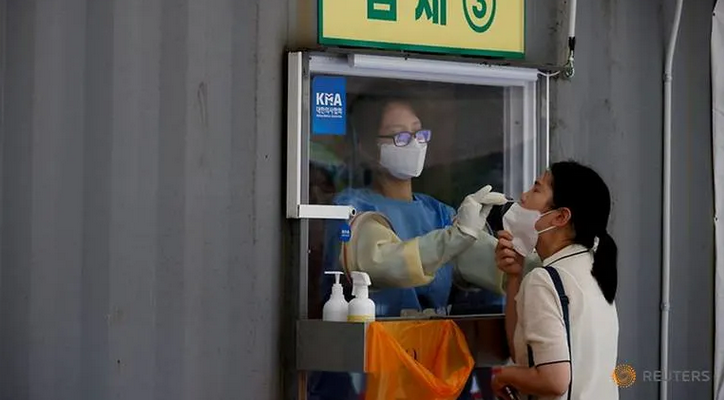
SEOUL: South Korea on Wednesday (Jul 28) reported 1,896 new COVID-19 cases for Tuesday, its highest-ever daily increase, as the country struggles to subdue a fourth wave of outbreaks fanned by the more contagious Delta variant of the coronavirus.
The daily tally broke a previous record set on Jul 22 as infections are spreading beyond the capital Seoul and its neighbouring regions where the toughest social distancing rules are in place.
There were 1,823 domestically transmitted cases on Tuesday and 33.5 per cent, or 611, of the were from areas outside the capital regions, according to the Korea Disease Control and Prevention Agency (KDCA).
This is the first time the number of cases outside the Seoul metropolitan region has exceeded the 600 mark since the first COVID-19 wave emerged from a church in the southeastern city of Daegu.
Tighter social distancing curbs took effect across most of the country on Tuesday and will last for two weeks. Those areas will be under Level 3 curbs on a four-level scale, which will mean a 10pm dining curfew and ban on gatherings of more than four people.
The tighter curbs were enacted to prevent the further spread of the coronavirus during South Korea’s peak summer holiday season.
The great Seoul area region remains under Level 4 curbs that include a ban on gatherings of more than two people after 6pm.
Source: Reuters
Commentary: US and China aren’t cooperating on COVID-19 – but it wasn’t always this way
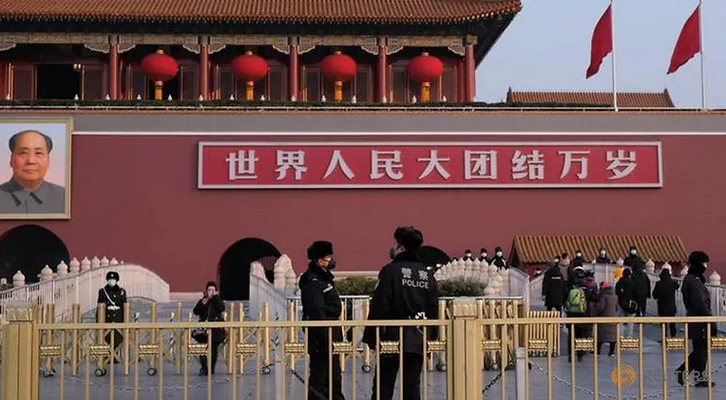
SINGAPORE: Intergovernmental cooperation between the United States and China was an important part of the fight against Severe Acute Respiratory Syndrome (SARS) in 2003.
Yet serious collaboration to combat COVID-19 is yet to materialise. The state of US-China bilateral relations and the failure to cooperate has arguably worsened the pandemic.
Despite similarities between the two initial outbreaks, COVID-19 seems to have deepened the antagonism and rivalry between the United States and China.
Many attribute the lack of pandemic cooperation to a preoccupation with the ongoing trade and propaganda war. But signs of US-China cooperation on other issues, such as recent mutual commitments to address the climate crisis, reveal that deteriorating bilateral relations might only be part of the story regarding the failure to cooperate on COVID-19.
A mismatch in perceptions on how to approach domestic health governance, one that was not apparent in 2003, may also be playing a key role.
READ: Commentary: China’s COVID-19 successes – credible at home, not so much abroad
READ: Commentary: A pity China can’t seem to ditch its wolf warrior diplomacy
US-CHINA COOPERATION DURING SARS OUTBREAK
US-China cooperation on public health began with the normalisation of relations in 1979.
The 1979 Agreement on Cooperation in Science and Technology led to the Protocol for Cooperation in the Science and Technology of Medicine and Public Health. That formed the basis for the two countries to maintain a relationship on health matters.
Cooperation deepened under the leadership of Jeff Koplan, director of the US Centers for Disease Control and Prevention (US CDC) from 1998 to 2002, when the United States helped China build more effective public health infrastructure.
The outbreak of SARS in 2003 highlighted weaknesses in China’s public health emergency management and motivated it to improve, and the US CDC offered important assistance. The US CDC worked with the Chinese National Influenza Center to build up its influenza surveillance capacity.
With US CDC support, Chinese public health staff received virology and epidemiology training. US assistance became a critical aspect of China’s public health response and emergency management.

During the SARS outbreak, China realised it was completely unprepared to effectively manage a public health emergency. The government has since taken measures to address the many weaknesses.
It provided more funding to public health and constructed a multi-tiered network of disease control and prevention. The central government also reorganised different agencies within the Chinese Center for Disease Control and Prevention into a cluster to enhance crisis coordination.
Following that outbreak, China continued to enhance its health cooperation with US counterparts, having had positive perceptions of the US public health model at the time and a willingness to adopt US practices.
During a visit by then US health secretary Tommy Thompson in 2003, the United States promised to work with China to develop more robust public health infrastructure in China.
READ: Commentary: China may have a spy problem of its own
CHINA CATCHES UP WITH THE US
But prior to the outbreak of COVID-19, Chinese perceptions on US domestic governance had gradually shifted. While the United States maintains the superiority of its governance approaches, China has increasingly seen itself as on an equal footing to the United States.
When meeting with US Secretary of State Antony Blinken and National Security Adviser Jake Sullivan in Alaska in March, China’s top diplomat Yang Jiechi said: “The United States does not have the qualification to say that it wants to speak to China from a position of strength.”
READ: Commentary: After Alaska, age of selective engagement in US-China relations begins
A driving factor in these shifting Chinese perceptions is its tremendous advances in building an effective domestic health system over the last decade. Through a number of healthcare reforms since 2009, China made substantial progress in improving access to care, at a standard commended by the World Bank.
The mismanagement of COVID-19 in the United States consolidated China’s belief that the US model of public health crisis response is ineffective. As of late July, US cumulative case numbers have exceeded 34 million, over 10 per cent of its population, while China has reported around 100,000 cases in a population of 1.4 billion.
This solidified the Chinese view that the United States has lost its health superiority, leading to its conclusion that institutional strength and Chinese culture were key to overcoming domestic COVID-19.
Yet China’s system still falls behind in some aspects – the United States ranks fourth in the World Index of Healthcare Innovation, while mainland China does not even qualify for assessment.
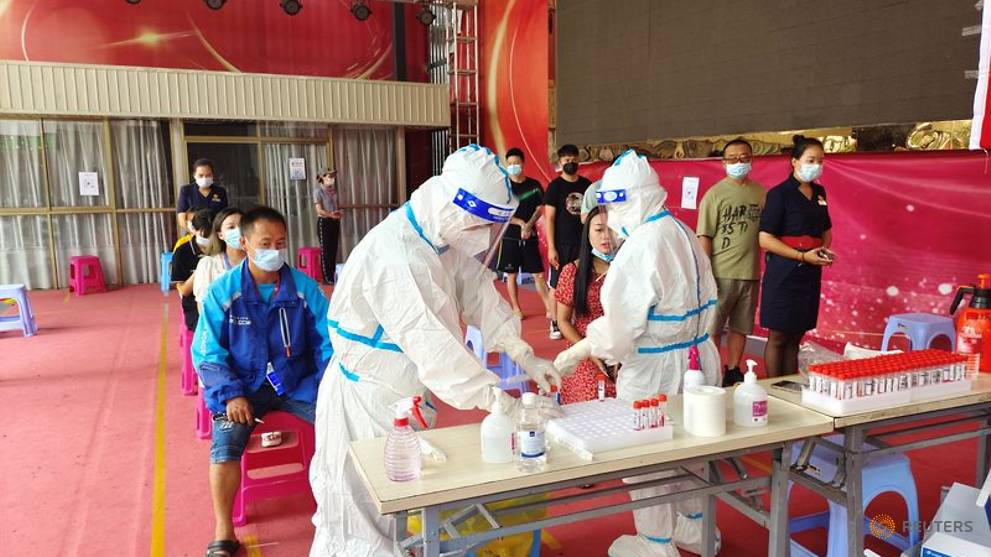
Regardless, it would seem that cooperation may be contingent on US recognition of China’s progress in domestic health governance by approaching it as an equal partner. Until then, the situation could remain more akin to that of a competition.
But China needs to also put President Xi Jinping’s words into practice and be “eager to learn what lessons we can from the achievements of other cultures, and welcome helpful suggestions and constructive criticism”.
China should continue to identify its own flaws and limits in domestic health governance and gauge other countries, including identifying successes that the United States has had.
Renowned Chinese diseases expert Zhong Nanshan stated that China still has space to improve and much to learn from the practices of the United States and other developed countries. Future pandemic cooperation between the two great powers may rest on rebuilding mutual trust and developing a shared understanding of one another’s best practices.
Source: CNA/el
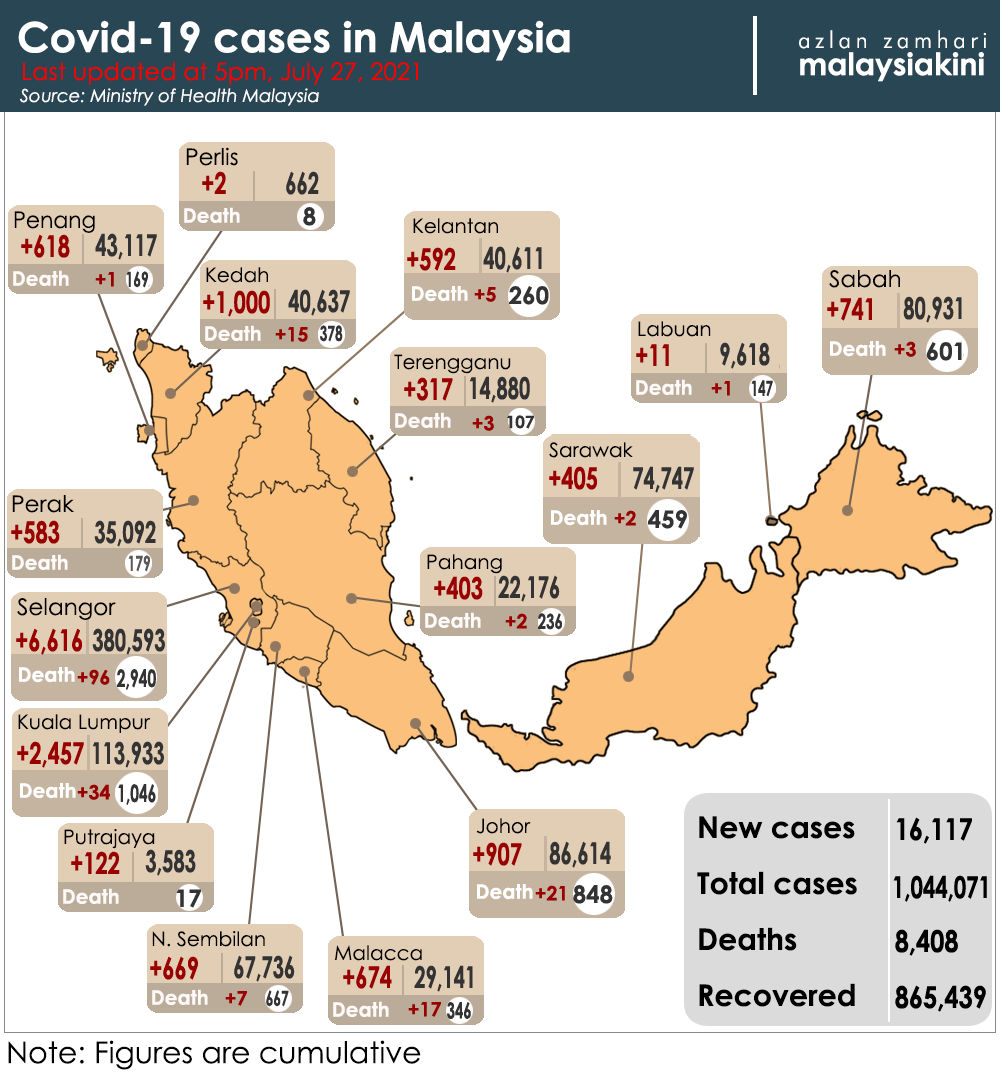
Covid-19 (July 27): 16,117 new cases, trending up in Penang, 207 deaths
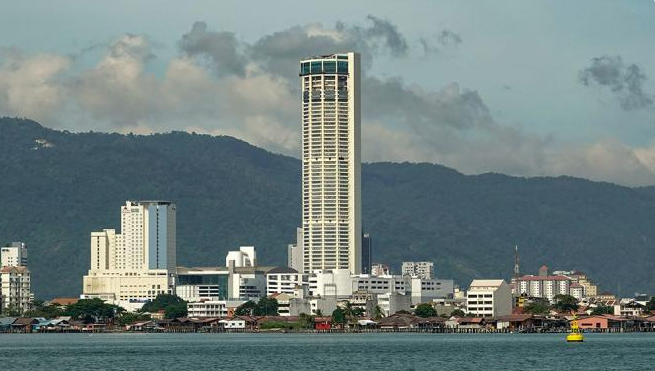
COVID-19 | The Health Ministry today reported 16,117 new Covid-19 cases amidst a record number of new cases reported in Penang.
The number of active Covid-19 cases, patients in intensive care and patients requiring ventilators reached record highs today.
A total of 148,049 samples were taken over a 24-hour period ending noon today, which translates to an unofficial “positivity rate” of 10.89 percent.
- Active cases: 170,224
- Patients in ICU: 1,023
- Intubated: 524
States
Selangor (6,616)
Kuala Lumpur (2,457)
Kedah (1,000)
Johor (907)
Sabah (741)
Malacca (674)
Negeri Sembilan (669)
Penang (618)
Kelantan (592)
Perak (583)
Sarawak (405)
Pahang (403)
Terengganu (317)
Putrajaya (122)
Labuan (11)
Perlis (2)
Penang (618) reported a record number of new cases. Penang is already in Phase 2 of the National Recovery Plan. A third of Penang’s adult population has received at least one dose of Covid-19 vaccines.
Selangor (6,616), Kuala Lumpur (2,457) and Kedah (1,000) are still reporting Covid-19 cases in the triple digits.
As of today, nowhere in the country qualifies for Phase 2 of the NRP, except for Perlis.
As of yesterday, the R-naught for the country is 1.14. An R-naught of more than 1.00 suggests that the spread of Covid-19 is accelerating.
The regions with the highest R-naught are Terengganu (1.29), Kedah (1.26), Johor (1.26) and Sabah (1.23). These are all regions where less than a quarter of its population has received the first dose of Covid-19 vaccines.
The only regions where the R-naught was less than 1.00 are Labuan and Perlis.
Deaths
The Health Ministry also reported another 207 deaths attributed to Covid-19 today, which is the same as yesterday.
The cumulative national death toll has reached 8,408.
There were 31 victims who were pronounced dead upon arrival at the hospital.
Clusters
A record of 42 new clusters were classified today of which 25 were related to workplaces and 12 were related to community spread.
Currently, the Health Ministry is monitoring 1,028 active Covid-19 clusters.
Industri Batu Lapan Bakri cluster
Category: Workplace
State(s): Johor
District(s): Muar
Total infected: 20 out of 38 screened
Bukit Batu Bakri cluster
Category: Workplace
State(s): Johor
District(s): Muar
Total infected: 15 out of 19 screened
Persiaran Laman Setia Sembilan cluster
Category: Workplace
State(s): Johor
District(s): Johor Bahru
Total infected: 15 out of 94 screened
Industri Batu 17 Saleng cluster
Category: Workplace
State(s): Johor
District(s): Kulai
Total infected: 14 out of 45 screened
Saujana Putra Kesang cluster
Category: Workplace
State(s): Johor
District(s): Tangkak
Total infected: 14 out of 87 screened
Jalan Keluli Tiga Barat cluster
Category: Workplace
State(s): Johor
District(s): Johor Bahru and Kota Tinggi
Total infected: 13 out of 83 screened
Industri Jasmine Tiga cluster
Category: Workplace
State(s): Selangor
District(s): Hulu Selangor and Hulu Langat
Total infected: 29 out of 111 screened
Industri Sungai Puluh Batu Lima cluster
Category: Workplace
State(s): Selangor
District(s): Klang
Total infected: 16 out of 350 screened
Industri Mas Tujuh cluster
Category: Workplace
State(s): Selangor
District(s): Sepang
Total infected: 14 out of 90 screened
Industri Jasmine Dua cluster
Category: Workplace
State(s): Selangor
District(s): Hulu Selangor
Total infected: 12 out of 56 screened
Jeti Kudat cluster
Category: Workplace
State(s): Sabah
District(s): Kudat
Total infected: 44 out of 237 screened
Jalan Penampang cluster
Category: Workplace
State(s): Sabah
District(s): Penampang
Total infected: 29 out of 105 screened
Industri Kolombong cluster
Category: Workplace
State(s): Sabah
District(s): Kota Kinabalu, Penampang and Tuaran
Total infected: 23 out of 69 screened
Dah 14 Industri Kulim cluster
Category: Workplace
State(s): Kedah
District(s): Kulim
Total infected: 187 out of 317 screened
Dah Raya Industri Pendang cluster
Category: Workplace
State(s): Kedah
District(s): Penandg, Kota Setar and Paandg Terap
Total infected: 33 out of 358 screened
Kuala Jambu cluster
Category: Workplace
State(s): Kelantan
District(s): Bachok and Kota Bharu
Total infected: 10 out of 54 screened
Simpang Empat Tendong cluster
Category: Workplace
State(s): Kelantan
District(s): Pasir Mas and Kuala Krai
Total infected: 5 out of 5 screened
Industri Jalan Senawang Dua cluster
Category: Workplace
State(s): Negeri Sembilan
District(s): Seremban
Total infected: 53 out of 69 screened
Pasar Besar Seremban cluster
Category: Workplace
State(s): Negeri Sembilan
District(s): Seremban and Jempol
Total infected: 15 out of 676 screened
Lorong Perusahaan Bukit Minyak 22 cluster
Category: Workplace
State(s): Penang
District(s): Seberang Perai Tengah
Total infected: 14 out of 171 screened
Jalan Tasek cluster
Category: Workplace
State(s): Penang
District(s): Seberang Perai Selatan
Total infected: 10 out of 393 screened
Lorong Helang Hindik cluster
Category: Workplace
State(s): Kuala Lumpur
District(s): Kepong
Total infected: 33 out of 87 screened
Jalan Gombak Traders cluster
Category: Workplace
State(s): Kuala Lumpur
District(s): Titiwangsa and Kepong
Total infected: 7 out of 36 screened
Teluk Cempedak cluster
Category: Workplace
State(s): Pahang
District(s): Kuantan
Total infected: 16 out of 199 screened
Jalan Beruas cluster
Category: Workplace
State(s): Perak
District(s): Larut, Matang and Selama
Total infected: 12 out of 179 screened
Kampung Hutan Kuin cluster
Category: Community
State(s): Kelantan
District(s): Machang
Total infected: 30 out of 78 screened
Kampung Hutan Puteh cluster
Category: Community
State(s): Kelantan
District(s): Machang
Total infected: 13 out of 40 screened
Kampung Kedai Buloh cluster
Category: Community
State(s): Kelantan
District(s): Kota Bharu
Total infected: 12 out of 23 screened
Kampung Nilam Puri cluster
Category: Community
State(s): Kelantan
District(s): Kota Bharu
Total infected: 11 out of 15 screened
Sepekan Makmur cluster
Category: Community
State(s): Pahang
District(s): Pekan
Total infected: 61 out of 229 screened
Paya Keladan cluster
Category: Community
State(s): Pahang
District(s): Temerloh
Total infected: 26 out of 61 screened
Taman Astana View IM 15 cluster
Category: Community
State(s): Pahang
District(s): Kuantan
Total infected: 24 out of 162 screened
Kampung Anak Ikan cluster
Category: Community
State(s): Terengganu
District(s): Besut
Total infected: 29 out of 117 screened
Sebayor cluster
Category: Community
State(s): Sarawak
District(s): Samarahan and Kuching
Total infected: 22 out of 438 screened
Dah Singkir cluster
Category: Community
State(s): Kedah
District(s): Yan and Kuala Muda
Total infected: 21 out of 37 screened
Kampung Bagan cluster
Category: Community
State(s): Selangor
District(s): Sabak Bernam
Total infected: 20 out of 42 screened
Inderasabah cluster
Category: Community
State(s): Sabah
District(s): Tawau
Total infected: 14 out of 17 screened
Alor Tempoyak cluster
Category: High-risk group
State(s): Terengganu
District(s): Dungun, Kemaman, Marang and Hulu Terengganu
Total infected: 55 out of 413 screened
Mutiara Kemuning cluster
Category: High-risk group
State(s): Selangor
District(s): Klang
Total infected: 6 out of 14 screened
Tembok Tapah 2 cluster
Category: Detention Centre
State(s): Perak
District(s): Batang Paandg
Total infected: 144 out of 350 screened
Pagar Panglima Bukit Gantang cluster
Category: Detention Centre
State(s): Perak
District(s): Kinta
Total infected: 59 out of 78 screened
Jalan Kajangan cluster
Category: Non-Education Ministry institution
State(s): Putrajaya
District(s): Putrajaya
Total infected: 21 out of 98 screened
Indonesia considers COVID-19 vaccine booster shots for wider use
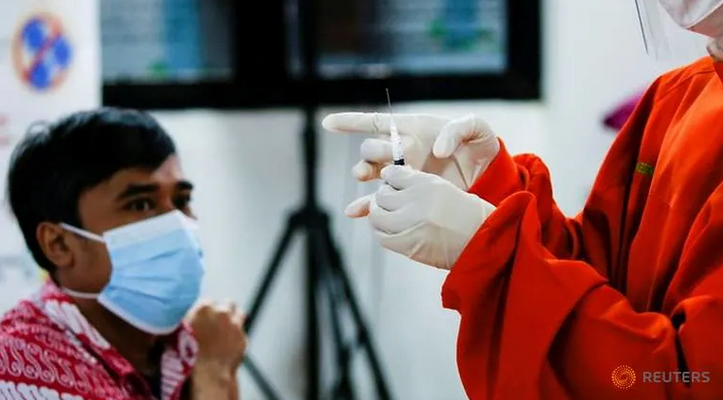
JAKARTA: Indonesia, which uses the Sinovac vaccine as its main COVID-19 inoculation, is considering providing a booster shot, as a study showed antibodies provided by the two-dose shot fade over time, a senior health ministry official said on Tuesday (Jul 27).
Indonesia, which has become Asia’s COVID-19 epicentre with record infections and deaths this month, relies heavily on the Sinovac vaccine that accounts for more than four-fifths of 173 million doses of vaccine supplies it has received so far.
Concerns about the vaccine’s effectiveness have mounted in recent weeks as hundreds of medical workers, most of whom were fully vaccinated with the Sinovac shot, have died of COVID-19 since June.
A study published this week showed that antibodies triggered by the Sinovac vaccine declined below a key threshold from around six months after a second dose for most recipients, although a third shot had a strong booster effect.
READ: COVID-19 surge starting to ease in Indonesia capital, data shows
While researchers said it was unclear how the decrease in antibodies would affect the shot’s effectiveness, Siti Nadia Tarmizi, a senior health ministry official, told Reuters that the reduced antibody level is still enough to provide protection, based on clinical data from Indonesia.
“Right now, the immunisation advisory board recommends a booster vaccination 12 months after the second dose,” she said, adding that the government is still considering whether the booster shots should be one or two-dose schedule.
She did not say which vaccines would be used as a booster shot, but Kusnandi Rusmil, who heads the clinical trials of the Sinovac vaccine in Indonesia at Padjadjaran University, said any approved COVID-19 vaccine can be used as a booster.
READ: Commentary: Overwhelmed Indonesian hospitals with COVID-19 cases behind high doctor fatalities
He said the clinical trial is set to conclude next month and its data so far has also shown a drop in antibody levels over time, leading him to recommend to the government that medical workers should get a third booster shot.
“Lots of medical workers have died, so they need to be given further immunity,” Kusnandi said.
Indonesia has started giving booster shots produced by Moderna to medical workers this month, as 1,569 healthcare workers have died of COVID-19, including nearly 400 between June and July, according to data from the independent data group Lapor COVID-19.
The World Health Organization said earlier this month that it was not clear whether boosters would be needed to maintain protection, until further data is collected.
But several countries have already begun making plans for a booster campaign, while Pfizer and its partner BioNTech prepare to ask US and European regulators to approve a booster dose.
Source: Reuters/ta
Malaysia records second day of 207 COVID-19 deaths, ICU numbers hit new high
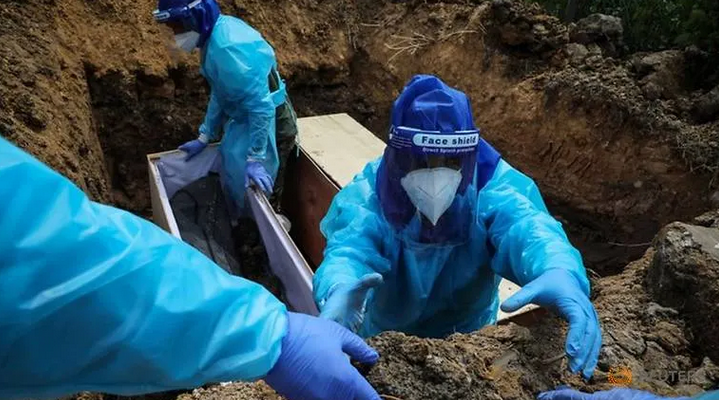
KUALA LUMPUR: Malaysia reported 207 deaths from COVID-19 for the second consecutive day on Tuesday (Jul 27), with the number of critically ill patients also reaching another high.
Thirty-one of the victims were classified as “brought in dead” to hospital, said health director-general Noor Hisham Abdullah.
The country’s current record for COVID-19 deaths logged in a single day is 207. Its previous record was just last week.
The number of cases in the intensive care unit also hit another new record with 1,023 patients warded. Of these, 524 require respiratory support.
A total of 16,117 new COVID-19 cases were also identified, Malaysia’s second highest daily tally after more than 17,000 infections were reported two days ago.
The Klang Valley comprised more than half of the new cases with 6,616 in Selangor and 2,457 in Kuala Lumpur.
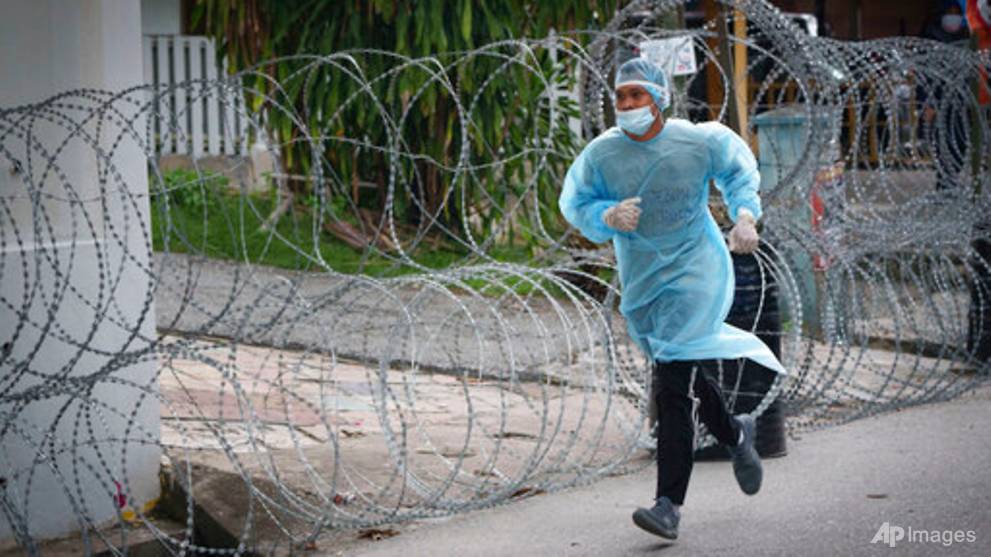
A further 1,000 cases were found in Kedah as well as 907 and 618 in Johor and Penang respectively.
Only 26 of the new cases reported on Tuesday were imported infections.
Dr Noor Hisham said 56.3 per cent of the new cases reported on Tuesday were asymptomatic while 41.6 per cent had mild symptoms.
The remaining cases had lung infections, required oxygen support or were in critical condition.
The majority of the new cases had no vaccination history, he added.
MORE THAN 1,000 ACTIVE CLUSTERS
Dr Noor Hisham also said 42 new COVID-19 clusters have been identified, taking the total number of active clusters in the country to 1,028.
Of the record number of new clusters, 25 involve workplaces while 12 are in the community. The remaining clusters involve two high risk communities, two detention centres and an education establishment.

Despite the imposition of another nationwide lockdown on Jul 1, Malaysia’s COVID-19 situation has worsened in recent weeks with a surge in cases and deaths.
In addition to political skirmishes and citizens being hard-hit by the economic and movement curbs, some contract doctors also staged a walkout on Monday at various hospitals across the country.
These contract government medical officers had earlier issued an ultimatum to the government to address their concerns regarding the contract system, including lack of job security and limited length of service.
As of Tuesday, Malaysia has reported a total of 1,044,071 COVID-19 cases, of which 170,224 are currently active or infectious. The death toll stands at 8,408.
Source: CNA/zl(ta)
 English
 简体中文
简体中文 Bahasa Indonesia
 Bahasa Melayu