
Covid-19 (July 28): New record of 17,405 cases, more than 10k in Klang Valley

COVID-19 | The Health Ministry reported 17,405 new cases of Covid-19 – a new record high.
The number of active Covid-19 cases and patients requiring a ventilator also reached record highs today.
Today also marked the highest number of patients being discharged (12,373) ever.
The number of samples taken (153,728) the 24-hour period ending noon today was considerably high. It translates to an unofficial “positivity rate” of 11.32 percent.
- Active cases: 175,113
- Patients in ICU: 1,016
- Intubated: 529
States
More than 10,000 cases or 58 percent, were reported in the Klang Valley.
Kedah also reported over 1,000 cases for the fourth day in a row.
As of yesterday, the R-naught for the country remained at 1.14 for the second consecutive day. A R-naught of more than 1.00 suggests that the spread of Covid-19 was accelerating.
The only regions in the country where the R-naught was below 1.00 are Negeri Sembilan and Labuan.
Deaths
The Health Ministry reported 143 new deaths attributed to Covid-19 today. The national death toll has reached 8,551.
Selangor (41) reported the most deaths followed by Negeri Sembilan (21), Johor (17), Kuala Lumpur (14), Perak (11), Kedah (10), Sabah (9), Malacca (7), Penang (5), Kelantan (5) and Pahang (3).
Approximately one in 10 deaths involved victims who were pronounced dead upon arrival at the hospital.
Clusters
There are 1,050 active Covid-19 clusters being monitored currently, up from 880 exactly a month ago.
Another 42 new Covid-19 clusters were classified today of which 20 were releated to workplaces.
Lorong Perindustrian Bukit Minyak 21 cluster
Category: Workplace
State(s): Pulau pinang
District(s): Seberang Perai Utara, Seberang Perai Tengah, Seberang Perai Selatan, Barat Daya and Timur Laut
Total infected: 34 out of 606 screened
Industri Bukit Minyak 88A cluster
Category: Workplace
State(s): Penang
District(s): Seberang Perai Tengah and Seberang Perai Selatan
Total infected: 30 out of 800 screened
Jalan Penang cluster
Category: Workplace
State(s): Penang
District(s): Timur Laut
Total infected: 25 out of 52 screened
Industri Persiaran Cassia Selatan cluster
Category: Workplace
State(s): Penang
District(s): Seberang Perai Selatan
Total infected: 25 out of 203 screened
Tapak Bina Depot Laluan Klang cluster
Category: Workplace
State(s): Selangor
District(s): Klang
Total infected: 145 out of 284 screened
Industri Jalan Salleh cluster
Category: Workplace
State(s): Selangor
District(s): Klang, Hulu Langat, Petaling and Kuala Selangor
Total infected: 123 out of 1,041 screened
Industri Selesa 2 cluster
Category: Workplace
State(s): Selangor
District(s): Hulu Langat
Total infected: 118 out of 173 screened
Jalan Jurutera 23 cluster
Category: Workplace
State(s): Selangor
District(s): Petaling and Klang
Total infected: 19 out of 110 screened
Tapak Bina Desa Pahlawan cluster
Category: Workplace
State(s): Kuala Lumpur
District(s): Titiwangsa
Total infected: 34 out of 240 screened
Desa Tun 2 cluster
Category: Workplace
State(s): Kuala Lumpur
District(s): Cheras
Total infected: 26 out of 217 screened
Jalan Langkawi cluster
Category: Workplace
State(s): Kuala Lumpur
District(s): Titiwangsa
Total infected: 7 out of 37 screened
Jalan PBR 38 cluster
Category: Workplace
State(s): Malacca
District(s): Alor Gajah and Melaka Tengah
Total infected: 38 out of 165 screened
Jalan Food City cluster
Category: Workplace
State(s): Malacca
District(s): Melaka Tengah
Total infected: 27 out of 90 screened
Tapak Bina Ayer Salak cluster
Category: Workplace
State(s): Malacca
District(s): Melaka Tengah
Total infected: 26 out of 50 screened
Jalan Platinum Empat cluster
Category: Workplace
State(s): Johor
District(s): Johor Bahru
Total infected: 16 out of 61 screened
Jalan Gemilang Sembilan cluster
Category: Workplace
State(s): Johor
District(s): Johor Bahru
Total infected: 16 out of 77 screened
Dah Puteri Industri Baling cluster
Category: Workplace
State(s): Kedah
District(s): Baling, Kuala Muda, Kulim and Sik
Total infected: 86 out of 364 screened
Dah Cendana Industri Sungai Petani cluster
Category: Workplace
State(s): Kedah
District(s): Kuala Muda
Total infected: 35 out of 142 tested
Tapak Bina Jalan BBN cluster
Category: Workplace
State(s): Negeri Sembilan
District(s): Gua Musang
Total infected: 161 out of 346 tested
Industri Jalan Tuanku Jaafar Utara cluster
Category: Workplace
State(s): Negeri Sembilan
District(s): Seremban
Total infected: 54 out of 143 tested
Bukit Berembun cluster
Category: Workplace
State(s): Pahang
District(s): Melaka Tengah
Total infected: 23 out of 28 tested
Industri Chandan Raya 1/3 cluster
Category: Workplace
State(s): Perak
District(s): Kinta
Total infected: 27 out of 210 tested
Kampung Banggol Telipot cluster
Category: Community
State(s): Kelantan
District(s): Pasir Puteh
Total infected: 33 out of 56 tested
Pos Brooke cluster
Category: Community
State(s): Kelantan
District(s): Gua Musang
Total infected: 19 out of 94 tested
Lorong Masjid Padang Bongor cluster
Category: Community
State(s): Kelantan
District(s): Kota Bharu
Total infected: 12 out of 25 tested
Kampung Melor Lama Peringat cluster
Category: Community
State(s): Kelantan
District(s): Kota Bharu
Total infected: 11 out of 20 tested
Taman Puteri Pulong cluster
Category: Community
State(s): Kelantan
District(s): Kota Bharu dan Machang
Total infected: 10 out of 21 tested
Kampung Hujung Repek Melawi cluster
Category: Community
State(s): Kelantan
District(s): Bachok
Total infected: 6 out of 18 tested
Bayangan cluster
Category: Community
State(s): Sabah
District(s): Keningau
Total infected: 21 out of 104 tested
Menawo Baitah cluster
Category: Community
State(s): Sabah
District(s): Keningau
Total infected: 16 out of 36 tested
Bariawa Laut cluster
Category: Community
State(s): Sabah
District(s): Keningau
Total infected: 13 out of 37 tested
Jalan Inai cluster
Category: Community
State(s): Pahang
District(s): Temerloh
Total infected: 23 out of 56 tested
Simpang Cheneras cluster
Category: Community
State(s): Pahang
District(s): Lipis
Total infected: 16 out of 41 tested
Taman Selesa cluster
Category: Community
State(s): Terengganu
District(s): Dungun
Total infected: 35 out of 532 tested
Majupadu Lapan cluster
Category: Community
State(s): Johor
District(s): Kluang
Total infected: 26 out of 35 tested
Taman Bertam Indah cluster
Category: Community
State(s): Melaka
District(s): Melaka Tengah
Total infected: 23 out of 28 tested
Dah Kampung Pong cluster
Category: Community
State(s): Kedah
District(s): Padang Terap
Total infected: 17 out of 150 tested
Kampung Gelok Bukit cluster
Category: Community
State(s): Perak
District(s): Hulu Perak
Total infected: 13 out of 118 tested
Pagar Kluang cluster
Category: Detention centre
State(s): Johor
District(s): Kluang
Total infected: 39 out of 346 tested
Pagar Bachok cluster
Category: Detention centre
State(s): Kelantan
District(s): Bachok
Total infected: 17 out of 28 tested
Jalan Seroja 33 cluster
Category: Education
State(s): Selangor
District(s): Sepang
Total infected: 9 out of 35 tested
Source:Malaysiakini
South Korea reports highest COVID-19 daily count amid fourth wave
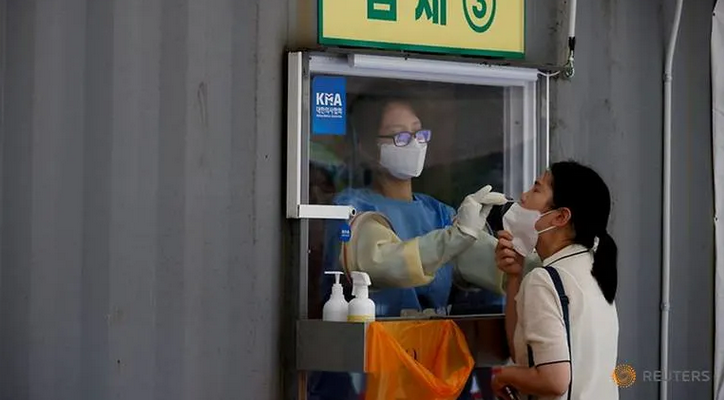
SEOUL: South Korea on Wednesday (Jul 28) reported 1,896 new COVID-19 cases for Tuesday, its highest-ever daily increase, as the country struggles to subdue a fourth wave of outbreaks fanned by the more contagious Delta variant of the coronavirus.
The daily tally broke a previous record set on Jul 22 as infections are spreading beyond the capital Seoul and its neighbouring regions where the toughest social distancing rules are in place.
There were 1,823 domestically transmitted cases on Tuesday and 33.5 per cent, or 611, of the were from areas outside the capital regions, according to the Korea Disease Control and Prevention Agency (KDCA).
This is the first time the number of cases outside the Seoul metropolitan region has exceeded the 600 mark since the first COVID-19 wave emerged from a church in the southeastern city of Daegu.
Tighter social distancing curbs took effect across most of the country on Tuesday and will last for two weeks. Those areas will be under Level 3 curbs on a four-level scale, which will mean a 10pm dining curfew and ban on gatherings of more than four people.
The tighter curbs were enacted to prevent the further spread of the coronavirus during South Korea’s peak summer holiday season.
The great Seoul area region remains under Level 4 curbs that include a ban on gatherings of more than two people after 6pm.
Source: Reuters
Commentary: US and China aren’t cooperating on COVID-19 – but it wasn’t always this way
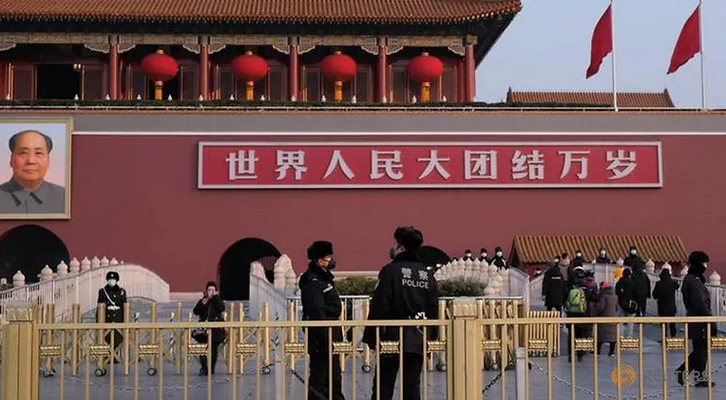
SINGAPORE: Intergovernmental cooperation between the United States and China was an important part of the fight against Severe Acute Respiratory Syndrome (SARS) in 2003.
Yet serious collaboration to combat COVID-19 is yet to materialise. The state of US-China bilateral relations and the failure to cooperate has arguably worsened the pandemic.
Despite similarities between the two initial outbreaks, COVID-19 seems to have deepened the antagonism and rivalry between the United States and China.
Many attribute the lack of pandemic cooperation to a preoccupation with the ongoing trade and propaganda war. But signs of US-China cooperation on other issues, such as recent mutual commitments to address the climate crisis, reveal that deteriorating bilateral relations might only be part of the story regarding the failure to cooperate on COVID-19.
A mismatch in perceptions on how to approach domestic health governance, one that was not apparent in 2003, may also be playing a key role.
READ: Commentary: China’s COVID-19 successes – credible at home, not so much abroad
READ: Commentary: A pity China can’t seem to ditch its wolf warrior diplomacy
US-CHINA COOPERATION DURING SARS OUTBREAK
US-China cooperation on public health began with the normalisation of relations in 1979.
The 1979 Agreement on Cooperation in Science and Technology led to the Protocol for Cooperation in the Science and Technology of Medicine and Public Health. That formed the basis for the two countries to maintain a relationship on health matters.
Cooperation deepened under the leadership of Jeff Koplan, director of the US Centers for Disease Control and Prevention (US CDC) from 1998 to 2002, when the United States helped China build more effective public health infrastructure.
The outbreak of SARS in 2003 highlighted weaknesses in China’s public health emergency management and motivated it to improve, and the US CDC offered important assistance. The US CDC worked with the Chinese National Influenza Center to build up its influenza surveillance capacity.
With US CDC support, Chinese public health staff received virology and epidemiology training. US assistance became a critical aspect of China’s public health response and emergency management.

During the SARS outbreak, China realised it was completely unprepared to effectively manage a public health emergency. The government has since taken measures to address the many weaknesses.
It provided more funding to public health and constructed a multi-tiered network of disease control and prevention. The central government also reorganised different agencies within the Chinese Center for Disease Control and Prevention into a cluster to enhance crisis coordination.
Following that outbreak, China continued to enhance its health cooperation with US counterparts, having had positive perceptions of the US public health model at the time and a willingness to adopt US practices.
During a visit by then US health secretary Tommy Thompson in 2003, the United States promised to work with China to develop more robust public health infrastructure in China.
READ: Commentary: China may have a spy problem of its own
CHINA CATCHES UP WITH THE US
But prior to the outbreak of COVID-19, Chinese perceptions on US domestic governance had gradually shifted. While the United States maintains the superiority of its governance approaches, China has increasingly seen itself as on an equal footing to the United States.
When meeting with US Secretary of State Antony Blinken and National Security Adviser Jake Sullivan in Alaska in March, China’s top diplomat Yang Jiechi said: “The United States does not have the qualification to say that it wants to speak to China from a position of strength.”
READ: Commentary: After Alaska, age of selective engagement in US-China relations begins
A driving factor in these shifting Chinese perceptions is its tremendous advances in building an effective domestic health system over the last decade. Through a number of healthcare reforms since 2009, China made substantial progress in improving access to care, at a standard commended by the World Bank.
The mismanagement of COVID-19 in the United States consolidated China’s belief that the US model of public health crisis response is ineffective. As of late July, US cumulative case numbers have exceeded 34 million, over 10 per cent of its population, while China has reported around 100,000 cases in a population of 1.4 billion.
This solidified the Chinese view that the United States has lost its health superiority, leading to its conclusion that institutional strength and Chinese culture were key to overcoming domestic COVID-19.
Yet China’s system still falls behind in some aspects – the United States ranks fourth in the World Index of Healthcare Innovation, while mainland China does not even qualify for assessment.
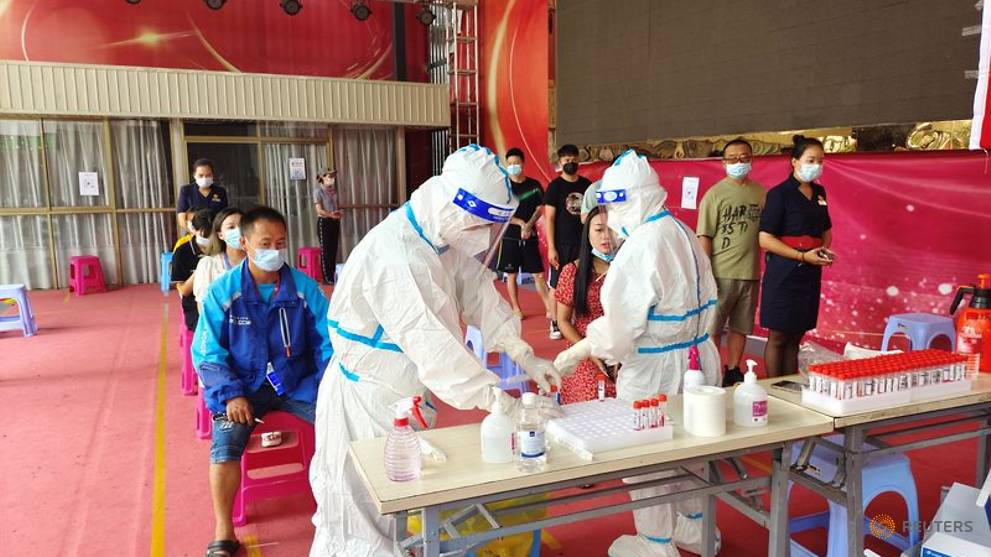
Regardless, it would seem that cooperation may be contingent on US recognition of China’s progress in domestic health governance by approaching it as an equal partner. Until then, the situation could remain more akin to that of a competition.
But China needs to also put President Xi Jinping’s words into practice and be “eager to learn what lessons we can from the achievements of other cultures, and welcome helpful suggestions and constructive criticism”.
China should continue to identify its own flaws and limits in domestic health governance and gauge other countries, including identifying successes that the United States has had.
Renowned Chinese diseases expert Zhong Nanshan stated that China still has space to improve and much to learn from the practices of the United States and other developed countries. Future pandemic cooperation between the two great powers may rest on rebuilding mutual trust and developing a shared understanding of one another’s best practices.
Source: CNA/el
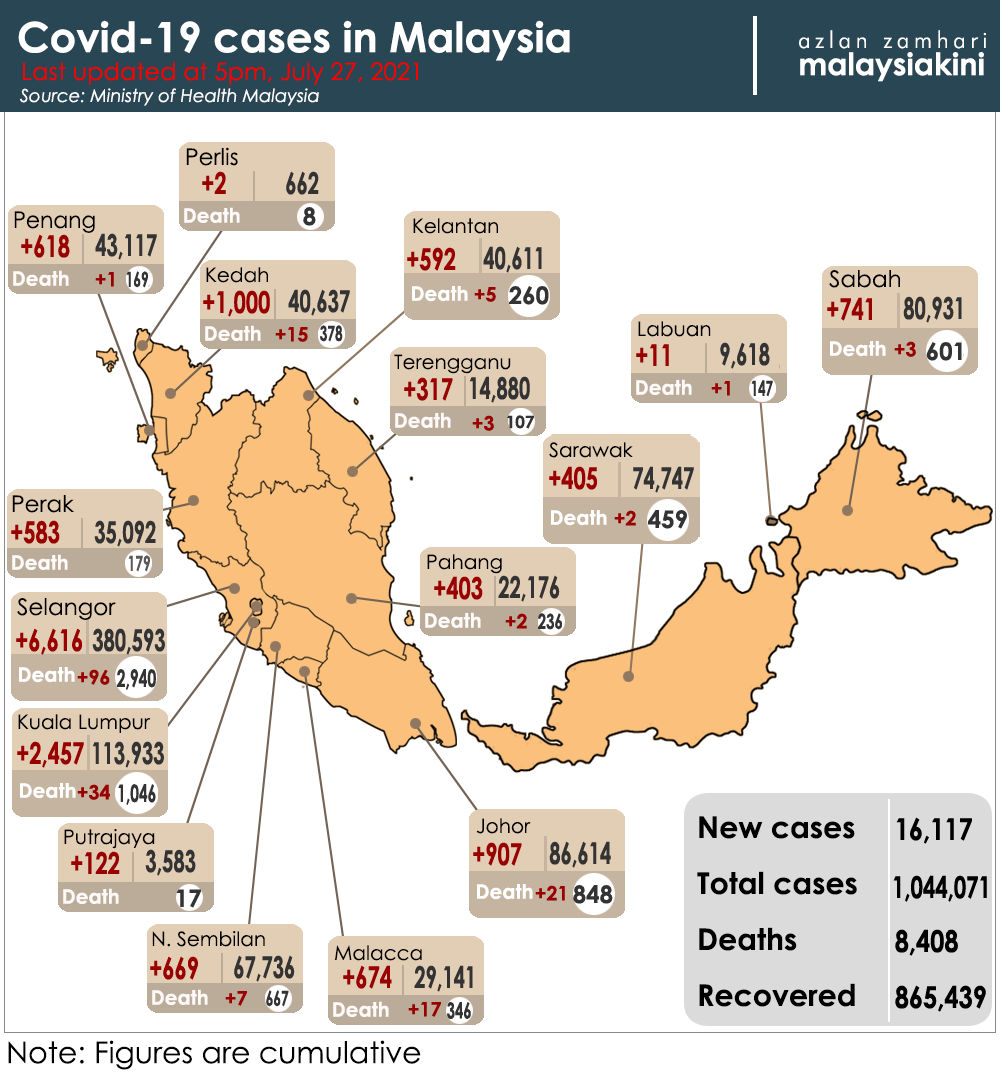
Covid-19 (July 27): 16,117 new cases, trending up in Penang, 207 deaths
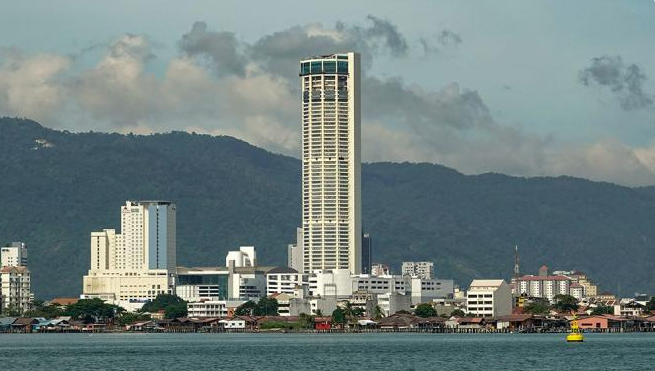
COVID-19 | The Health Ministry today reported 16,117 new Covid-19 cases amidst a record number of new cases reported in Penang.
The number of active Covid-19 cases, patients in intensive care and patients requiring ventilators reached record highs today.
A total of 148,049 samples were taken over a 24-hour period ending noon today, which translates to an unofficial “positivity rate” of 10.89 percent.
- Active cases: 170,224
- Patients in ICU: 1,023
- Intubated: 524
States
Selangor (6,616)
Kuala Lumpur (2,457)
Kedah (1,000)
Johor (907)
Sabah (741)
Malacca (674)
Negeri Sembilan (669)
Penang (618)
Kelantan (592)
Perak (583)
Sarawak (405)
Pahang (403)
Terengganu (317)
Putrajaya (122)
Labuan (11)
Perlis (2)
Penang (618) reported a record number of new cases. Penang is already in Phase 2 of the National Recovery Plan. A third of Penang’s adult population has received at least one dose of Covid-19 vaccines.
Selangor (6,616), Kuala Lumpur (2,457) and Kedah (1,000) are still reporting Covid-19 cases in the triple digits.
As of today, nowhere in the country qualifies for Phase 2 of the NRP, except for Perlis.
As of yesterday, the R-naught for the country is 1.14. An R-naught of more than 1.00 suggests that the spread of Covid-19 is accelerating.
The regions with the highest R-naught are Terengganu (1.29), Kedah (1.26), Johor (1.26) and Sabah (1.23). These are all regions where less than a quarter of its population has received the first dose of Covid-19 vaccines.
The only regions where the R-naught was less than 1.00 are Labuan and Perlis.
Deaths
The Health Ministry also reported another 207 deaths attributed to Covid-19 today, which is the same as yesterday.
The cumulative national death toll has reached 8,408.
There were 31 victims who were pronounced dead upon arrival at the hospital.
Clusters
A record of 42 new clusters were classified today of which 25 were related to workplaces and 12 were related to community spread.
Currently, the Health Ministry is monitoring 1,028 active Covid-19 clusters.
Industri Batu Lapan Bakri cluster
Category: Workplace
State(s): Johor
District(s): Muar
Total infected: 20 out of 38 screened
Bukit Batu Bakri cluster
Category: Workplace
State(s): Johor
District(s): Muar
Total infected: 15 out of 19 screened
Persiaran Laman Setia Sembilan cluster
Category: Workplace
State(s): Johor
District(s): Johor Bahru
Total infected: 15 out of 94 screened
Industri Batu 17 Saleng cluster
Category: Workplace
State(s): Johor
District(s): Kulai
Total infected: 14 out of 45 screened
Saujana Putra Kesang cluster
Category: Workplace
State(s): Johor
District(s): Tangkak
Total infected: 14 out of 87 screened
Jalan Keluli Tiga Barat cluster
Category: Workplace
State(s): Johor
District(s): Johor Bahru and Kota Tinggi
Total infected: 13 out of 83 screened
Industri Jasmine Tiga cluster
Category: Workplace
State(s): Selangor
District(s): Hulu Selangor and Hulu Langat
Total infected: 29 out of 111 screened
Industri Sungai Puluh Batu Lima cluster
Category: Workplace
State(s): Selangor
District(s): Klang
Total infected: 16 out of 350 screened
Industri Mas Tujuh cluster
Category: Workplace
State(s): Selangor
District(s): Sepang
Total infected: 14 out of 90 screened
Industri Jasmine Dua cluster
Category: Workplace
State(s): Selangor
District(s): Hulu Selangor
Total infected: 12 out of 56 screened
Jeti Kudat cluster
Category: Workplace
State(s): Sabah
District(s): Kudat
Total infected: 44 out of 237 screened
Jalan Penampang cluster
Category: Workplace
State(s): Sabah
District(s): Penampang
Total infected: 29 out of 105 screened
Industri Kolombong cluster
Category: Workplace
State(s): Sabah
District(s): Kota Kinabalu, Penampang and Tuaran
Total infected: 23 out of 69 screened
Dah 14 Industri Kulim cluster
Category: Workplace
State(s): Kedah
District(s): Kulim
Total infected: 187 out of 317 screened
Dah Raya Industri Pendang cluster
Category: Workplace
State(s): Kedah
District(s): Penandg, Kota Setar and Paandg Terap
Total infected: 33 out of 358 screened
Kuala Jambu cluster
Category: Workplace
State(s): Kelantan
District(s): Bachok and Kota Bharu
Total infected: 10 out of 54 screened
Simpang Empat Tendong cluster
Category: Workplace
State(s): Kelantan
District(s): Pasir Mas and Kuala Krai
Total infected: 5 out of 5 screened
Industri Jalan Senawang Dua cluster
Category: Workplace
State(s): Negeri Sembilan
District(s): Seremban
Total infected: 53 out of 69 screened
Pasar Besar Seremban cluster
Category: Workplace
State(s): Negeri Sembilan
District(s): Seremban and Jempol
Total infected: 15 out of 676 screened
Lorong Perusahaan Bukit Minyak 22 cluster
Category: Workplace
State(s): Penang
District(s): Seberang Perai Tengah
Total infected: 14 out of 171 screened
Jalan Tasek cluster
Category: Workplace
State(s): Penang
District(s): Seberang Perai Selatan
Total infected: 10 out of 393 screened
Lorong Helang Hindik cluster
Category: Workplace
State(s): Kuala Lumpur
District(s): Kepong
Total infected: 33 out of 87 screened
Jalan Gombak Traders cluster
Category: Workplace
State(s): Kuala Lumpur
District(s): Titiwangsa and Kepong
Total infected: 7 out of 36 screened
Teluk Cempedak cluster
Category: Workplace
State(s): Pahang
District(s): Kuantan
Total infected: 16 out of 199 screened
Jalan Beruas cluster
Category: Workplace
State(s): Perak
District(s): Larut, Matang and Selama
Total infected: 12 out of 179 screened
Kampung Hutan Kuin cluster
Category: Community
State(s): Kelantan
District(s): Machang
Total infected: 30 out of 78 screened
Kampung Hutan Puteh cluster
Category: Community
State(s): Kelantan
District(s): Machang
Total infected: 13 out of 40 screened
Kampung Kedai Buloh cluster
Category: Community
State(s): Kelantan
District(s): Kota Bharu
Total infected: 12 out of 23 screened
Kampung Nilam Puri cluster
Category: Community
State(s): Kelantan
District(s): Kota Bharu
Total infected: 11 out of 15 screened
Sepekan Makmur cluster
Category: Community
State(s): Pahang
District(s): Pekan
Total infected: 61 out of 229 screened
Paya Keladan cluster
Category: Community
State(s): Pahang
District(s): Temerloh
Total infected: 26 out of 61 screened
Taman Astana View IM 15 cluster
Category: Community
State(s): Pahang
District(s): Kuantan
Total infected: 24 out of 162 screened
Kampung Anak Ikan cluster
Category: Community
State(s): Terengganu
District(s): Besut
Total infected: 29 out of 117 screened
Sebayor cluster
Category: Community
State(s): Sarawak
District(s): Samarahan and Kuching
Total infected: 22 out of 438 screened
Dah Singkir cluster
Category: Community
State(s): Kedah
District(s): Yan and Kuala Muda
Total infected: 21 out of 37 screened
Kampung Bagan cluster
Category: Community
State(s): Selangor
District(s): Sabak Bernam
Total infected: 20 out of 42 screened
Inderasabah cluster
Category: Community
State(s): Sabah
District(s): Tawau
Total infected: 14 out of 17 screened
Alor Tempoyak cluster
Category: High-risk group
State(s): Terengganu
District(s): Dungun, Kemaman, Marang and Hulu Terengganu
Total infected: 55 out of 413 screened
Mutiara Kemuning cluster
Category: High-risk group
State(s): Selangor
District(s): Klang
Total infected: 6 out of 14 screened
Tembok Tapah 2 cluster
Category: Detention Centre
State(s): Perak
District(s): Batang Paandg
Total infected: 144 out of 350 screened
Pagar Panglima Bukit Gantang cluster
Category: Detention Centre
State(s): Perak
District(s): Kinta
Total infected: 59 out of 78 screened
Jalan Kajangan cluster
Category: Non-Education Ministry institution
State(s): Putrajaya
District(s): Putrajaya
Total infected: 21 out of 98 screened
 English
 简体中文
简体中文 Bahasa Indonesia
 Bahasa Melayu