
Covid-19 (April 15): New cases breach 2,000 mark again
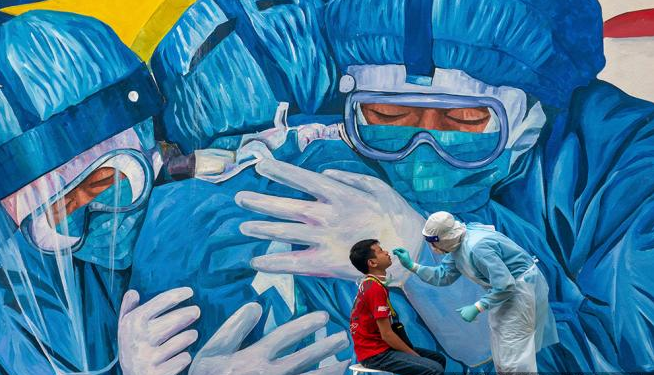
COVID-19 | The Health Ministry today reported 2,148 new Covid-19 cases, the highest in 41 days.
There are currently 17,575 active Covid-19 cases, up from a recent low of 14,161 on April 6. Similarly, the number of Covid-19 patients requiring intensive care has risen to 212, up from a recent low of 147 on March 12.
- Active cases: 17,575
- Patients in ICUs: 212
- Intubated: 82
States
Sarawak (512) reported the highest number of cases. This is the third highest number of new cases reported by the state so far.
New cases in Sabah (202) have not been this high since February. Sabah was once the epicentre for Covid-19 cases following the state election last September.
Four out of the 15 new clusters classified by the Health Ministry today were in Sabah.
The total number of new cases in East Malaysia accounted for 33.4 percent of new cases, exceeding that of the Klang Valley (29.7 percent).
In Kelantan (221), five new clusters were classified today. Most parts of Kelantan will be subjected to movement control order (MCO) restrictions beginning midnight tonight.
At the national level, the R-naught figure has risen to 1.14, up from 0.81 on March 3. An R-naught of more than 1.00 suggests that the rate of spread of Covid-19 is increasing.
There are only six regions where the figure was less than one – Selangor, Penang, Johor, Malacca, Labuan and Pahang.
Deaths
There were 10 reported Covid-19 deaths today, bringing the national death toll to 1,363.
These reports were made in Kuala Lumpur (3), Selangor (3), Sarawak (2), Sabah (1) and Johor (1).
There was a foreigner among the victims who had already passed away when she was brought to the Duchess of Kent Hospital in Sandakan, Sabah.
Details of the victims are recorded in Malaysiakini’s Covid-19 tracker site.
Clusters
There are currently 346 active Covid-19 clusters in the country, where 73 saw new cases being reported today.
The cluster with the most cases is Jalan Kempas Satu (81), which involved the Muar district in Johor and has been active since April 10.
There were 15 new clusters classified by the Health Ministry today. Notably, five of these clusters involved educational institutions.
Kampung Bunut Sarang Burung cluster
District(s): Tumpat, Kota Bharu and Tanah Merah in Kelantan
Locality/Source: An educational institution at Kampung Bunut Sarang Burung, Tumpat
Cluster category: Workplace
First case: April 8, index case with symptoms
Total infected: 50 out of 121 screened
Kampung Domis cluster
District(s): Kuala Krai, Machang, Pasir Mas, Tumpat and Tanah Merah in Kelantan
Locality/Source: An educational institution at Kampung Domis, Tanah Merah
Cluster category: Workplace
First case: April 12, index case with symptoms
Total infected: 40 out of 152 screened
Kampung Labok cluster
District(s): Machang in Kelantan
Locality/Source: An educational institution at Jalan Kampung Joh, Labok, Machang
Cluster category: Workplace
First case: April 13, targeted screening
Total infected: 9 out of 96 screened
Kok Lanas cluster
District(s): Kota Bahru, Tanah Merah and Tumpat in Kelantan
Locality/Source: An educational institution at Kok Lanas, Kota Bahru
Cluster category: Workplace
First case: April 12, index case with symptoms
Total infected: 31 out of 56 screened
Jaya Setia cluster
District(s): Petaling in Selangor
Locality/Source: A factory at Jalan Jaya Setia 26/3, Hicom Industrial Estate, Shah Alam
Cluster category: Workplace
First case: April 13, targeted screening
Total infected: 12 out of 94 screened
Perabot Olak Lempit cluster
District(s): Kuala Langat in Selangor
Locality/Source: A factory at Jalan 8, Banting
Cluster category: Workplace
First case: April 11, targeted screening
Total infected: 25 out of 326 screened
Lorong Megah Jaya cluster
District(s): Sandakan in Sabah
Locality/Source: Private company at Bandar Tyng, Sandakan
Cluster category: Workplace
First case: April 13, index case with symptoms
Total infected: 18 out of 38 screened
Jalan Labuk Tiga cluster
District(s): Sandakan and Lahad Datu in Sabah
Locality/Source: Educational institution at Kilometer 18, Jalan Labuk, Sandakan
Cluster category: Workplace
First case: April 8, index case with symptoms
Total infected: 15 out of 82 screened
Jalan Radin cluster
District(s): Lembah Pantai and Cheras in Kuala Lumpur
Locality/Source: A restaurant at Jalan Radin Bagus 3, Sri Petaling, Lembah Pantai
Cluster category: Workplace
First case: April 13, targeted screening
Total infected: 10 out of 30 screened
Biah Skim cluster
District(s): Keningau in Sabah
Locality/Source: Social event at Kampung Biah Skim, Keningau pada 29 Mac 2021
Cluster category: Community
First case: April 14, index case subjected to pre-hospitalisation screening
Total infected: 10 out of 20 screened
Melangkap Tomis cluster
District(s): Kota Belud and Tuaran in Sabah
Locality/Source: Social event that took place on March 30 in Kampung Melangkap Tomis, Kota Belud
Cluster category: Community
First case: April 7, index case with symptoms
Total infected: 10 out of 188 screened
Kampung Bechah Semak cluster
District(s): Pasir Mas and Tanah Merah in Kelantan
Locality/Source: Vicinity of Kampung Bechah Semak, Pasir Mas
Cluster category: Community
First case: April 7, index case with symptoms
Total infected: 36 out of 111 screened
Jalan Cempaka Putih cluster
District(s): Kulai and Kota Tinggi in Johor
Locality/Source: Index case’s residence at Jalan Cempaka Putih, Kampung Bahagia, Kulai
Cluster category: Community
First case: April 9, index case with symptoms
Total infected: 9 out of 106 screened
Taman Rakyat cluster
District(s): Dungun in Terengganu
Locality/Source: Social event held at Taman Rakyat Jaya, Balai Besar, Dungun pada 1 April 2021
Cluster category: Community
First case: April 7, index case screened after crossing state borders
Total infected: 26 out of 429 screened
Kampung Pokok Machang cluster
District(s): Baling, Kuala Muda and Kulim in Kedah
Locality/Source: Vicinity of Kampung Pokok Machang, Bukit Selambau, Sungai Petani
Cluster category: Community
First case: April 12, index case reported symptoms
Total infected: 14 out of 35 screened
Source:Malaysiakini
Covid-19 (April 14) – 1,889 new cases, highest in 40 days
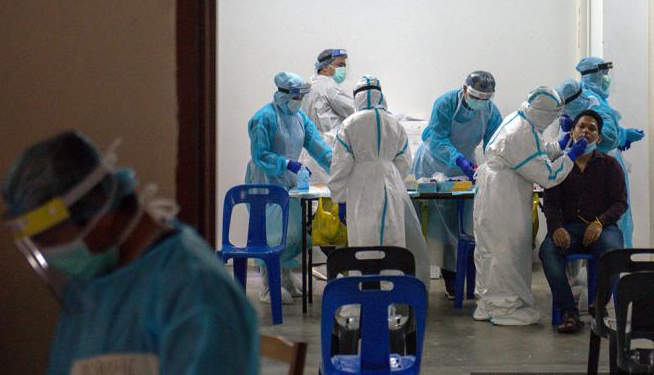
The Health Ministry today reported 1,889 new cases – the highest figure reported in 40 days.
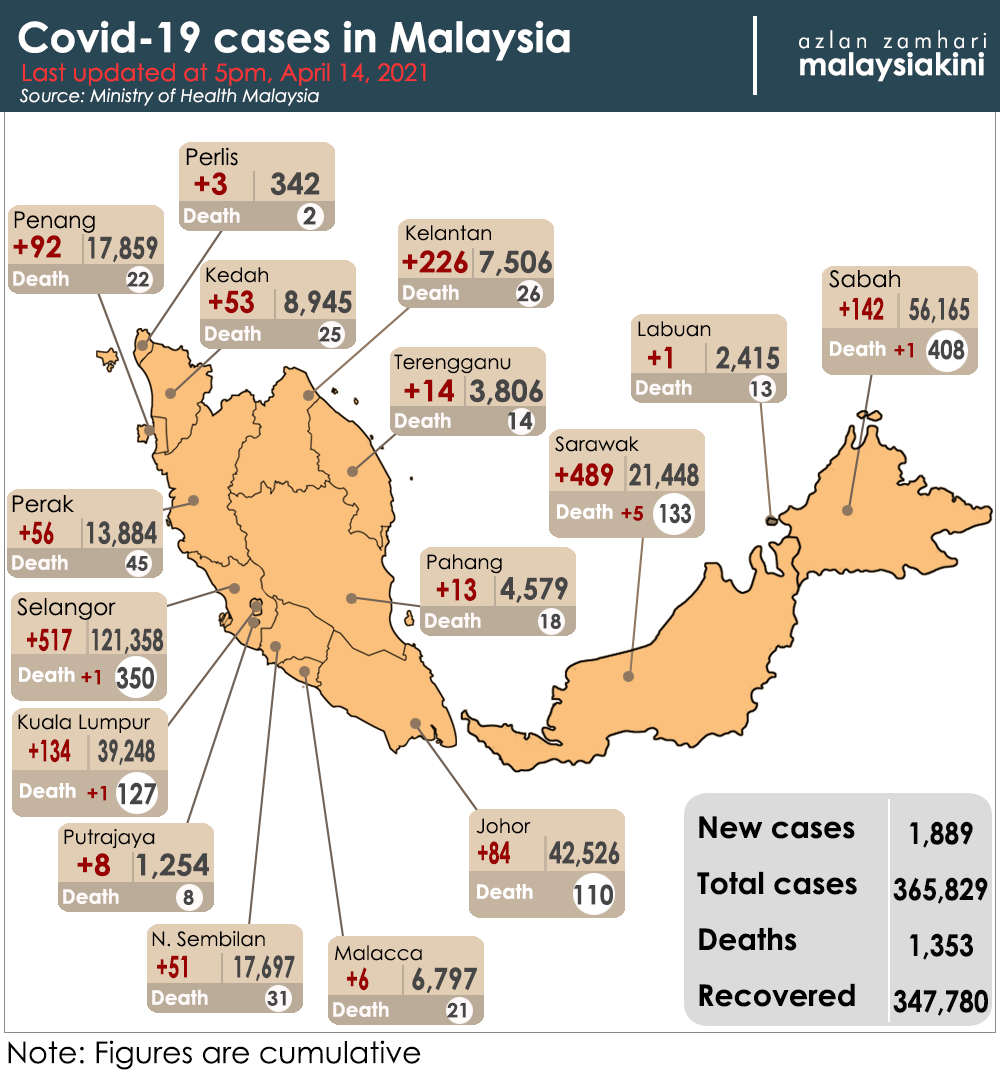
Most of the new cases were reported in the Klang Valley (34.9 percent) and East Malaysia (33.5 percent).
There are currently 16,696 active Covid-19 cases, up from a recent low of 14,161 on April 6. Similarly, the number of Covid-19 patients requiring intensive care has risen to 204, up from a recent low of 147 on March 12.
- Active cases: 16,696
- Patients in ICU: 204
- Intubated: 79
Breakdown by states
As of yesterday, the R-naught figure for the country increased to 1.09. An R-naught of more than 1.00 suggests that the rate of spread of Covid-19 is increasing.
There are only three regions where the figure was less than one – Perlis, Penang and Johor.
Selangor reported the most cases (517) where one in five cases were detected either through voluntary testing, testing due to Covid-19 symptoms, pre-departure screening or pre-hospitalisation screening.
Sabah (142) reported the highest number of cases in 45 days of which half were reported in Tawau which is currently experiencing a major outbreak.
Deaths
There were eight deaths reported by the Health Ministry today, bringing the national Covid-19 death toll to 1,345.
Five of the eight new deaths reported today were in Sarawak, followed by Selangor (1), Kuala Lumpur (1) and Sabah (1).
The youngest victim was 45 and the eldest 89. Details of the victims are recorded on Malaysiakini’s Covid-19 tracker page.
Clusters
The Health Ministry reported that 341 Covid-19 clusters are still active, down from 424 a month ago.
There were 72 clusters that reported new cases. The cluster with the newest cases is the Tembok Sri Aman prison cluster (76 cases) in Sarawak.
There were seven new clusters classified by the Health Ministry today.
Notably, the Permatang Berangan cluster, involving an educational institution, was subjected to targeted screening by the Health Ministry, which is rare.
Jalan Khidmat cluster
District(s): Kota Kinabalu in Sabah
Locality/Source: An educational institution at Jalan Khidmat, Kota Kinabalu
Cluster category: Workplace
First case: April 12, index case with symptoms
Total infected: 24 out of 796 screened
Batu Sepuluh cluster
District(s): Tawau in Sabah
Locality/Source: A public institution in Batu 10, Apas, Tawau
Cluster category: Workplace
First case: March 28, index case is a close contact of Covid-19 patient
Total infected: 16 out of 50 screened
Jalan Mohd Taib cluster
District(s): Hulu Selangor and Klang in Selangor
Locality/Source: A supermarket warehouse at Jalan Mohd Taib, Kawasan Perindustrian Sungai Choh, Hulu Selangor
Cluster category: Workplace
First case: April 7, index case is a close contact of Covid-19 patient
Total infected: 10 out of 49 screened
Jalan Sempilai cluster
District(s): Seberang Perai Tengah, Seberang Perai Utara and Seberang Perai Selatan in Penang
Locality/Source: A government building at Jalan Sempilai, Permatang Pauh, Seberang Perai Tengah
Cluster category: Workplace
First case: April 11, index case was subjected to voluntary screening
Total infected: 14 out of 57 screened
Permatang Berangan cluster
District(s): Kuala Muda in Kedah
Locality/Source: An educational institution at Kampung Baru, Permatang Berangan, Sungai Petani
Cluster category: Workplace
First case: April 13, targeted screening
Total infected: 28 out of 51 screened
Jalan Gapam cluster
District(s): Malacca Tengah and Jasin in Malacca
Locality/Source: Index case’s residence at Jalan Gapam Bemban, Melaka Tengah
Cluster category: Workplace
First case: April 10, index case reported symptoms
Total infected: 10 out of 102 screened
Jalan Sahadi cluster
District(s): Sepang, Klang and Kuala Selangor in Selangor
Locality/Source: Social event at Jalan Sahadi, Kampung Sungai Pelek, Sepang pada 3 April 2021
Cluster category: Community
First case: April 11, index case reported symptoms
Total infected: 20 out of 59 screened
Source: Malaysiakini
Commentary: How China will try to subdue Taiwan – without firing a bullet

LONDON: Twenty-five years ago, war over Taiwan seemed imminent.
Chinese missiles flew in the direction of Taiwan and a US aircraft carrier sailed through the Taiwan Strait in a defiant signal of resolve.
Now, tensions are rising over Taiwan again. China has increased aerial and naval patrols around Taiwan and this week, Secretary of State Anthony Blinken said in a warning to Beijing “it would be a serious mistake for anyone to try to change [the] status quo by force.”
The public discourse has started to imply war over Taiwan may again be a possibility. Speaking in early March, commander of the US Indo-Pacific Command, Admiral Phil Davidson, suggested that China might launch an invasion of Taiwan within six years.
But these assessments are misleading. Although Beijing’s desire to reunify with Taiwan remains strong, and China has channelled resources to put pressure on Taiwan, it knows the cost of any invasion of Taiwan are incredibly prohibitive and could lead to a long-drawn conflict.
Rather, China is more likely to pursue a gradualist approach, slowly eroding Taiwanese sovereignty. Rather than a bloody war, China will most probably look to “salami slice” its way to reunification.
READ: Commentary: After Alaska, age of selective engagement in US-China relations begins
READ: Commentary: US-China ties are set to worsen, before they get better
TAIWANESE DETERRENCE
Since the Kuomintang retreated to Taiwan in 1949, reunification has been a primary policy goal for Beijing. But over 70 years, the island has been able to maintain sufficient military deterrence to make an invasion seem too costly or difficult to achieve.
Despite having a population just 2 per cent the size of China’s, US support, rapid economic growth in the latter half of the 20th century and outsized investment in defence has enabled Taiwan to maintain a qualitative military edge over China for decades.

For Beijing, focused on defence of its own borders and often consumed by internal instability, from the Great Leap Forward to the Cultural Revolution, an invasion of Taiwan seemed like an unwise task.
However, the opening of China’s economy in the late 1970s, subsequent rapid growth and an effective military industrialisation strategy have seen China leapfrog defence technology development. The military deterrence that Taiwan once possessed is being worn down.
Some estimates suggest the PLA is now not just numerically superior, but technologically on a par with Taiwan, meaning that a war across the Taiwan Strait would likely end in China’s favour.
READ: Commentary: China’s cheap drones are finally taking off, with many uses and huge implications
But such studies ignore the reality that even a relatively successful invasion of Taiwan will require a bloody, costly campaign.
Taiwan sits 100 miles off China’s coast, across open water where Chinese vessels would be vulnerable to missile and torpedo attack.
Taipei has also vowed to pepper China’s coastline with missile salvoes; the 2021 Quadrennial Defence Review, released in March, noted that the island’s strategy would be to “resist the enemy on the opposite shore, attack it at sea, destroy it in the littoral area, and annihilate it on the beachhead.”
China would likely lose tens of thousands, if not hundreds of thousands, of troops, to say nothing about the impossible task of pacifying an island of 23.5 million Taiwanese who would likely resist Chinese occupation.
Moreover, while China might be able to launch a successful invasion of Taiwan, the outcome is less certain if the US commits immediately and resolutely to Taiwan’s defence. US nuclear-powered submarines, carrier strike groups and missile forces throughout the region will make any cross-strait operation even more treacherous.
READ: Commentary: They already have jet bombers and super missiles. Will Chinese fighter jets be more powerful than America’s soon?
For the CCP, regaining Taiwan is a defining priority, but losing a war over Taiwan is a regime-threatening event.
SALAMI SLICING TAIWAN
The alternative, and less risky, path to war for Beijing is therefore to use a strategy that has been successful elsewhere: Salami slicing.

In salami slicing, small, incremental changes are made to move towards a larger goal. Those small changes are insignificant enough to fall short of a reason for war, but when added together start to definitively change the facts on the ground.
In China’s near-seas, this process has involved a massive increase in the patrols of Chinese military, paramilitary and commercial vessels, island reclamation and more overflights of aircraft.
These tactics work on land and sea – on its mountainous border with India, China has built a string of villages in disputed territory to create a fait accompli of occupation.
READ: Commentary: China’s boycott of H&M, Nike and other big brands is really bizarre
With Taiwan, a similar salami slicing strategy is already in process. In recent years, China has successfully eroded decades-long norms about Taiwanese air zones. In 2016, China began frequent circumnavigational flights of the island. In 2019, regular incursions by Chinese military aircraft across the median line between the two entities began.
In the 60 years prior to this, just one intentional crossings of the median line had occurred; now they are commonplace. In September 2020, 37 aircraft crossed the line.
And Chinese aircraft crossed into Taiwan’s air defence identification zones a record 380 times in 2020, the most since the 1996 Taiwan Strait crisis. On Apr 13, the largest incursion yet, of 25 aircraft, occurred.
Such flights are becoming so commonplace Taiwan has stopped scrambling jets to every Chinese incursion. It has become too costly to do so. By October 2020, Taiwan had scrambled 2,972 times against Chinese aircraft that year.

The same is happening at sea. China’s first aircraft carrier, the Liaoning, had exercised off the coast of Taiwan in early April. By November 2020, Taiwanese vessels had intercepted Chinese ships 1,223 times – a 50 per cent increase over the previous year.
Beijing has already started to shift the expectations of behaviour and created a new normal where the presence of Chinese military aircraft and vessels is routine, even expected.
In the wake of the new Chinese Coast Guard Law in February, Taiwanese analysts have warned harassment of Taiwanese vessels by China’s paramilitary force may be next. Sun Tzu-yun of Taiwan’s Institute for National Defence and Security Research noted at a mid-March forum that such grey zone tactics would be harder to counteract.
READ: Commentary: China’s boycott of H&M, Nike and other big brands is really bizarre
Meanwhile, Beijing has also started to use commercial vessels as a regular Chinese presence on Taiwan’s outlying islands – Chinese dredgers have since mid-2020 been reportedly “swarming around the Matsu islands”, while the Taiwanese coast guard had ejected 4,000 Chinese dredgers and sand-transporting vessels from Taiwanese waters in 2020, a 560 per cent increase over the previous year.
It is not the main island of Taiwan at most risk of such salami-slicing tactics, but Taiwan’s outlying islands such as Penghu, Matsu, Kinmen and Pratas.
With small populations and at a distance from the main island, these are vulnerable to greater pressure campaigns from China, whether grey-zone tactics or a more militarised operation.
Would Washington react militarily if China occupied one of the smaller Kinmen islands – an uninhabited rock just 10 km off China’s coastline – in a bloodless operation?
What if it were not military personnel but Chinese “fishermen” that set up camp there? Would it not be challenging to justify a military response to such a small non-military change?

RECLAIMING TAIWAN
The threat of war from China should not be ignored – reunification with Taiwan would be a crowning moment for any Chinese leader and the PLA is explicitly geared toward an offensive against the island.
But invasion is not the only arrow in China’s quiver. For Taipei and Washington, devising an effective response to China’s salami slicing tactics, which slowly change the facts and shift perceptions of sovereignty and autonomy, is likely more pressing in the short term.
Christian Le Miere is a foreign policy adviser and the founder and managing director of Arcipel, a strategic advisory firm based in London.
Source: CNA/sl
It’s back to an MCO for Kelantan
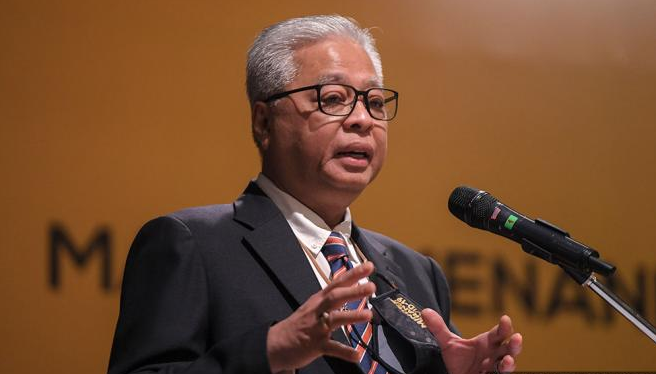
Seven out of 10 districts in Kelantan will be placed under a movement control order (MCO) restriction.
This entails a ban on inter-district travel and social activities, among others.
Only the districts of Jeli, Gua Musang and Kuala Krai are unaffected as these districts are currently under conditional MCO restrictions.
The MCO restrictions take effect from April 16 (Friday) and will last until April 29.
Senior Minister (security cluster) Ismail Sabri Yaakob (above) said the MCO rules dated Feb 26 will be in effect for Kelantan.
He also said the national security council has decided to declare an enhanced MCO for the vicinity of Kampung Tanjung Batu Keramat in Kota Belud, Sabah and for the vicinity of Ladang Leepang, Ladang Laukin and Kampung Inoi in Muadzam Shah, Pahang.
South Korea reports highest daily jump in daily COVID-19 cases in 3 months
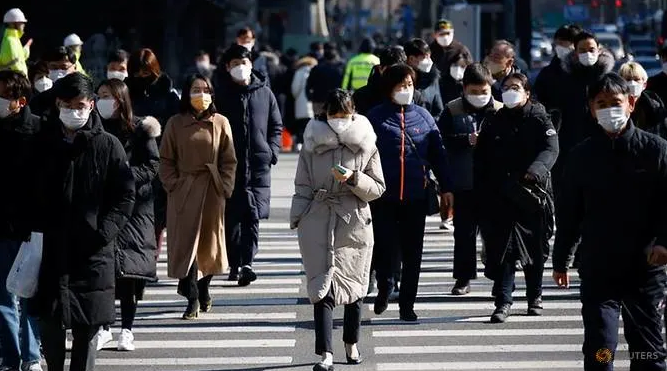
SEOUL: South Korea has recorded its highest daily jump in new COVID-19 infections in about three months, as officials urge the public to maintain vigilance.
The Korea Disease Control and Prevention Agency said on Wednesday (Apr 14) it’s confirmed 731 new cases over the past 24 hours.
They brought the country’s total to 111,419 with 1,782 deaths.
READ: South Korea considers use of COVID-19 self-test kits amid fourth wave fears
The spike comes amid criticism of a slow vaccine rollout while people are increasingly venturing outdoors to take advantage of good weather.
Senior health official Yoon Taeho says an increased mobility last weekend was proof that South Korea’s public vigilance has loosened, and that elevating social distancing rules will be discussed in the next few days.
Source:channelnewsasia
Covid-19 (April 13) – Record number of new cases in S’wak, 12 deaths across country
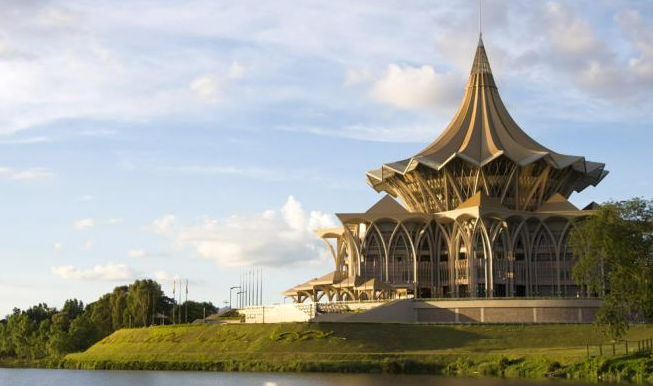
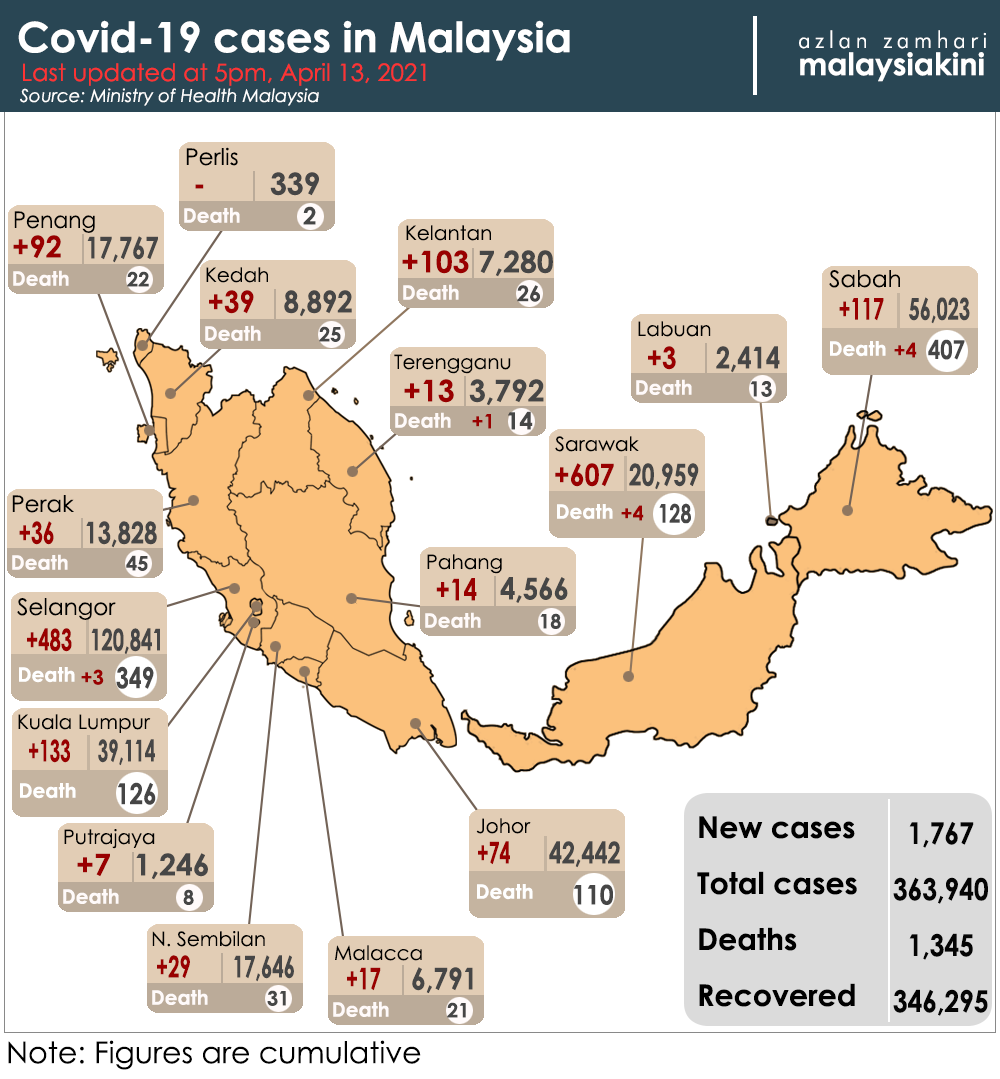
COVID-19 | The Health Ministry today reported 1,767 new Covid-19 cases while Sarawak reported its highest number of new daily cases to date.
The number of patients requiring intensive care has risen to 199, up from a recent low of 147 on March 12.
Today also marked the first time deaths were reported in the double digits since Feb 27.
Malaysians accounted for 85.34 percent of the new cases.
- Active cases: 16,300
- Patients in ICUs: 199
- Intubated: 82
Breakdown by states
Sarawak reported 607 new cases today of which 288 cases were detected through “other screenings” which are not related to clusters or close contacts of Covid-19 patients.
From the experience of Sabah and the Klang Valley, a relatively high number of cases detected through “other screenings” precedes a wide spread of Covid-19.
The number of new cases in East Malaysia (Sabah, Sarawak and Labuan) at 727 new cases exceeds that of the entire Klang Valley (623 new cases).
Health Minister Dr Adham Baba revealed that the infectivity rate (Rt or R-naught) for Sarawak increased to 1.1 today from 1.08 yesterday. A number of more than 1.00 suggests that the spread of Covid-19 was accelerating.
He said the upward trend in new cases in the territory began on Jan 9. Based on Health Ministry data, the R-naught reached 1.00 on April 3 and has been moving upwards since.
At the national level, the R-naught for the country climbed to 1.07 as of yesterday. The only states which have an R-naught of less than 1.00 are Johor and Penang.
Deaths
There were 12 Covid-19 related deaths reported by the Health Ministry today, bringing the national death toll to 1,345.
The new deaths were reported in Sarawak (4), Sabah (3), Selangor (3), Terengganu (1) and Sabah (1).
The victims were aged between 37 and 89. Four had already died when they were brought to the hospitals.
Details of the victims are recorded on Malaysiakini‘s Covid-19 tracker site.
Clusters
The Health Ministry reported that 344 clusters were still active, of which 62 clusters saw new cases.
The cluster with the most cases is the Tapak Bina Persiaran Cybersouth cluster (137 new cases). This cluster was classified on March 19.
No other cluster reported more than 60 new cases.
There were nine new clusters classified today of which only two were detected through targeted screening of workplaces.
Details of the new clusters are as follow:
Jalan Puncak Borneo cluster
District(s): Kuching in Sarawak
Locality/Source: Training centre at Jalan Puncak Borneo, Kuching
Cluster category: Workplace
First case: April 11, targeted screening
Total infected: 61 out of 111 screened
Jalan Raja Laut cluster
District(s): Lembah Pantai, Cheras, Kepong and Titiwangsa in Kuala Lumpur
Locality/Source: A service provider at Jalan Raja Laut, Lembah Pantai
Cluster category: Workplace
First case: April 9, index case with symptoms
Total infected: 20 out of 100 screened
Jalan Hishamuddin cluster
District(s): Lembah Pantai in Kuala Lumpur
Locality/Source: Transport company at Jalan Sultan Hishamuddin, Tasik Perdana, Lembah Pantai
Cluster category: Workplace
First case: April 12, index case with symptoms
Total infected: 9 out of 79 screened
Lebuh Wawasan cluster
District(s): Lembah Pantai in Kuala Lumpur; Seremban in Negeri Sembilan
Locality/Source: A government facility at Lebuh Wawasan, Presint 7, Putrajaya
Cluster category: Workplace
First case: April 8, index case with symptoms
Total infected: 11 out of 65 screened
Tabanak cluster
District(s): Lahad Datu in Sabah
Locality/Source: Kampung Tabanak, Lahad Datu
Cluster category: Community
First case: April 11, index case with symptoms
Total infected: 15 out of 89 screened
Kampung Gayang cluster
District(s): Tuaran in Sabah
Locality/Source: Social event on March 28 at Kampung Gayang, Tuaran
Cluster category: Community
First case: April 6, index case with symptoms
Total infected: 23 out of 548 screened
Taman Malim Jaya cluster
District(s): Malacca Tengah and Jasin in Malacca
Locality/Source: Index case’s residence at Taman Malim Jaya, Malacca
Cluster category: Community
First case: April 12, index case with symptoms
Total infected: 13 out of 52 screened
Jalan Salleh cluster
District(s): Muar in Johor
Locality/Source: A detention centre at Jalan Salleh, Muar
Cluster category: Prison
First case: April 3, targeted screening
Total infected: 23 out of 100 screened
Jalan Bukit Belida cluster
District(s): Seremban in Negeri Sembilan
Locality/Source: House of worship at Jalan Bukit Belida 1, Seremban
Cluster category: Religious event
First case: April 9, index case identified when screened prior to joining new workplace
Total infected: 15 out of 27 screened
Source:Malaysiakini
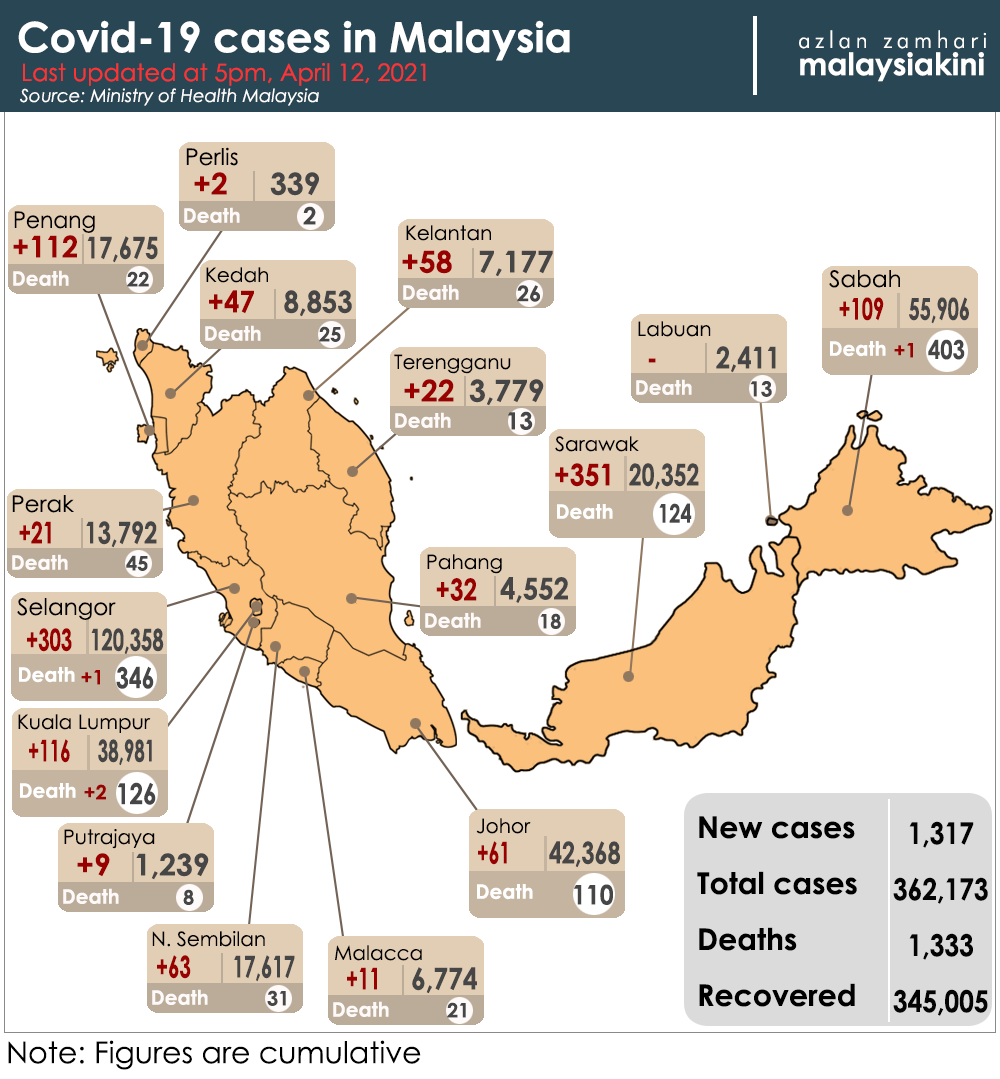
Covid-19 (April 12): 1,317 new cases, Sarawak tops the list again
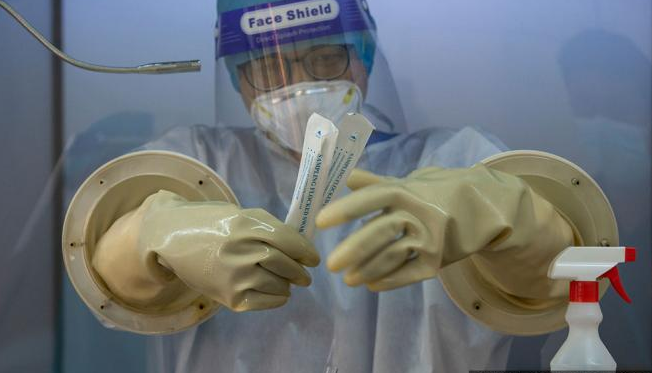
The Health Ministry today reported 1,317 new Covid-19 cases, with Sarawak topping the list with 351 infections.
Sarawak has recorded the highest number of new daily infections in four of the last seven days.
Meanwhile, Selangor reported 303 new Covid-19 cases. Three other states reported a three-digit increase in new infections.
They are Kuala Lumpur (116), Penang (112) and Sabah (109).
The new infections comprised 84.05 percent Malaysians and 15.95 percent non-citizens.
The Klang Valley accounted for 32.5 percent (428 cases) of new infections, while East Malaysia made up 34.93 percent (460 cases) of the fresh infections.
On the flip side, 1,052 Covid-19 patients recovered today, but they were outpaced by new infections, contributing to a rise in active cases.
- Active cases: 15,835
- Patients in ICUs: 188
- Intubated: 84
Meanwhile, the infectivity rate (R-naught) yesterday stood at 1.06, the fourth consecutive day the rate is above 1.0.
A sustained value of more than 1.0 will lead to exponential growth in new cases.
Health Ministry director-general Dr Noor Hisham Abdullah noted this would be the second year Muslims go through Ramadan amid the Covid-19 pandemic.
He noted that compared to last year, Ramadan bazaars would be allowed, although some states like Kelantan have decided to take precautions and ban them.
Noor Hisham urged people to take precaution and learn from the recent surge in Covid-19 cases due to social activities.
The fasting month begins tomorrow.
Deaths
There were four fatalities today, bringing the death toll to 1,333.
The new deaths were recorded in Kuala Lumpur (2), Selangor (1) and Sabah (1).
Those who died were aged between 45 and 74.
for a detailed breakdown of the reported deaths today, please refer to our Covid-19 tracker site.
New cases by states
Clusters
A total of 345 out of 1,469 clusters are still active. From the active clusters, 51 of them contributed to the new cases today.
This includes the 10 clusters reported today as well as another (8) that were declared resolved.
The resolved clusters are: Batu Tiga Lama, Jambatan Satu Bombalai, Bukit Bayas, Jalan Distripark B6, Jalan DPB Enam, Lorong Murni, Perusahaan Amari and Meranti Utama.
Details of the new clusters are as follow:
Leepang cluster
District(s): Rompin in Pahang
Locality/Source: A factory at Leepang A Estate, Muadzam Shah
Cluster category: Workplace
First case: April 10
Total infected: 23 out of 62 screened
Indera Mahkota Tiga cluster
District(s): Kuantan in Pahang
Locality/Source: A service provider firm at Jalan IM 3/10, Indera Mahkota, Kuantan
Cluster category: Workplace
First case: April 8
Total infected: 16 out of 145 screened
Balakong Lapan cluster
District(s): Hulu Langat in Selangor
Locality/Source: A factory at Jalan KPB 8, Kawasan Perindustrian Balakong, Seri Kembangan, Petaling
Cluster category: Workplace
First case: April 8
Total infected: 56 out of 202 screened
Jalan Perjiranan Empat cluster
District(s): Johor Bahru and Kulai in Johor
Locality/Source: Fitness centre at Jalan Perjiranan 4, Bandar Dato Onn, Johor Bahru
Cluster category: Workplace
First case: April 11
Total infected: 19 out of 285 screened
Jalan Stadium Empat cluster
District(s): Kota Bharu, Bachok, Pasir Mas, Pasir Puteh and Tumpat in Kelantan
Locality/Source: A service provider firm near Jalan Stadium 4, Kota Bharu
Cluster category: Workplace
First case: April 7
Total infected: 35 out of 263 screened
Ara Murni cluster
District(s): Hulu Terengganu, Kuala Terengganu, Marang, Setiu and Kuala Nerus in Terengganu
Locality/Source: Index case’s residence at Jalan Ara Murni, Kuala Berang, Hulu Terengganu
Cluster category: Workplace
First case: April 9
Total infected: 16 out of 156 screened
Persiaran Salahuddin cluster
District(s): Sepang in Selangor
Locality/Source: A public administrative centre at Persiaran Sultan Salahuddin Abdul Aziz Shah, Presint 1, WP Putrajaya
Cluster category: Workplace
First case: April 10
Total infected: 10 out of 92 screened
Kabu cluster
District(s): Baling, Kota Setar, Kuala Muda and Kulim in Kedah
Locality/Source: Index case’s residence at Kampung Lubuk Kabu, Kuala Pegang, Baling
Cluster category: Community
First case: April 7
Total infected: 21 out of 59 screened
Kampung Paya Pulai cluster
District(s): Temerloh in Pahang
Locality/Source: Kampung Paya Pulai, Batu 4, Jalan Maran, Temerloh
Cluster category: Community
First case: April 9
Total infected: 10 out of 44 screened
Jalan Canning Estate cluster
District(s): Kinta in Perak
Locality/Source: A social event held at Jalan Canning Estate, Taman Canning, Ipoh
Cluster category: Community
First case: April 10
Total infected: 39 out of 60 screened
Source:Malaysiakini
Blinken warns of China’s ‘increasingly aggressive actions’ against Taiwan
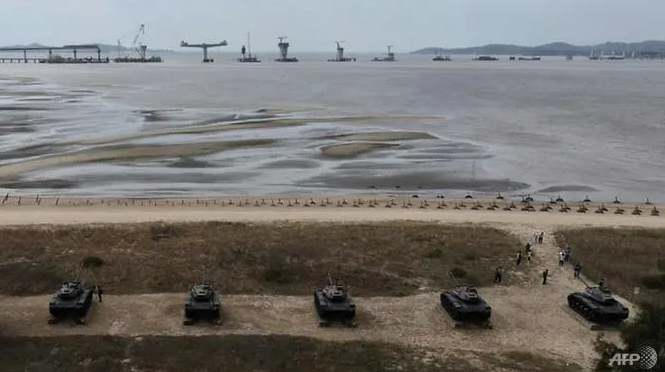
WASHINGTON: US Secretary of State Antony Blinken said on Sunday (Apr 11) the United States is concerned about China’s aggressive actions against Taiwan and warned it would be a “serious mistake” for anyone to try to change the status quo in the Western Pacific by force.
“What we’ve seen, and what is of real concern to us, is increasingly aggressive actions by the government in Beijing directed at Taiwan, raising tensions in the Straits,” Blinken said in an interview with NBC’s Meet the Press.
Beijing on Thursday blamed the United States for tensions after a US warship sailed close to Taiwan.
The United States has a longstanding commitment under the Taiwan Relations Act to ensure that Taiwan has the ability to defend itself and to sustain peace and security in the Western Pacific, Blinken said.
READ: China protests transit of US destroyer through Taiwan Strait
Asked if the United States would respond militarily to a Chinese action in Taiwan, Blinken declined to comment on a hypothetical.
“All I can tell you is we have a serious commitment to Taiwan being able to defend itself. We have a serious commitment to peace and security in the Western Pacific.
“We stand behind those commitments. And in that context, it would be a serious mistake for anyone to try to change that status quo by force.”
Taiwan has complained over the last few months of repeated missions by China’s air force near the island, which China claims as its own.
The White House on Friday said it was keeping a close watch on increased Chinese military activities in the Taiwan Strait, and called Beijing’s actions potentially destabilising.
READ – Commentary: Taiwan is becoming the biggest test in US-China relations
Also on Friday, the US State Department issued new guidelines that will enable US officials to meet more freely with officials from Taiwan, a move that deepens relations with Taipei amid stepped-up Chinese military activity around the island.
State Department spokesman Ned Price said the new guidelines had followed a congressionally mandated review and would “provide clarity throughout the Executive Branch on effective implementation of our ‘one China’ policy” – a reference to the longstanding US policy under which Washington officially recognises Beijing rather than Taipei.
Source: Reuters/ta
China, Russia undermine international Myanmar response, EU’s top diplomat says
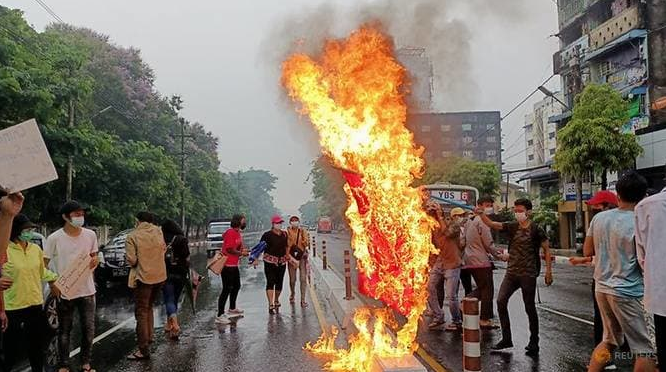
BRUSSELS: The European Union’s top diplomat said on Sunday (Apr 11) that Russia and China were hampering a united international response to Myanmar’s military coup and that the EU could offer more economic incentives if democracy returns to the country.
“It comes as no surprise that Russia and China are blocking the attempts of the UN Security Council, for example to impose an arms embargo,” EU foreign policy chief Josep Borrell said in a blog post.
“Geopolitical competition in Myanmar will make it very difficult to find common ground,” said Borrell, who speaks on behalf of the 27 EU member states. “But we have a duty to try.”
Security forces have killed more than 700 unarmed protesters, including 46 children, since the military seized power from the elected government of Aung San Suu Kyi in a Feb 1 coup, according to a tally by the Assistance Association for Political Prisoners (AAPP) activist group.
That includes 82 people killed in the town of Bago, near Yangon, on Friday, which the AAPP called a “killing field”.
“The world watches in horror, as the army uses violence against its own people,” he said.
READ: Myanmar’s post-coup civilian death toll climbs past 700
READ: Myanmar youth fight Internet outages with underground newsletter
China and Russia both have ties to Myanmar’s armed forces, as the largest and second-largest suppliers of weapons to the country, respectively.
The United Nations Security Council last week called for the release of Aung San Suu Kyi and others detained by the military, but stopped short of condemning the coup.
The EU is preparing fresh sanctions on individuals, as well as companies owned by the Myanmar military. The bloc in March agreed on a first set of sanctions on 11 individuals linked to the coup, including the commander-in-chief of the military.
While EU economic leverage in the country is relatively small, Borrell said the EU could offer to increase its economic ties with Myanmar if democracy is restored. That could include more trade and investments in sustainable development, he said.
EU foreign direct investment in Myanmar totalled US$700 million in 2019, compared with US$19 billion from China.
The military says it staged the coup because an election won by Aung San Suu Kyi’s party last November was rigged. The election commission has dismissed the assertion.
Protest groups in Myanmar are calling for the boycott of the Thingyan water festival this week, one of the most important celebrations of the year, because of the killings.
“(With) Thingyan approaching, we mourn the senseless loss of life in Bago & around the country where regime forces have reportedly used weapons of war against civilians,” the United States Embassy in Yangon said on Twitter.
“The regime has the ability to resolve the crisis & needs to start by ending violence & attacks.”
Source: Reuters/kg
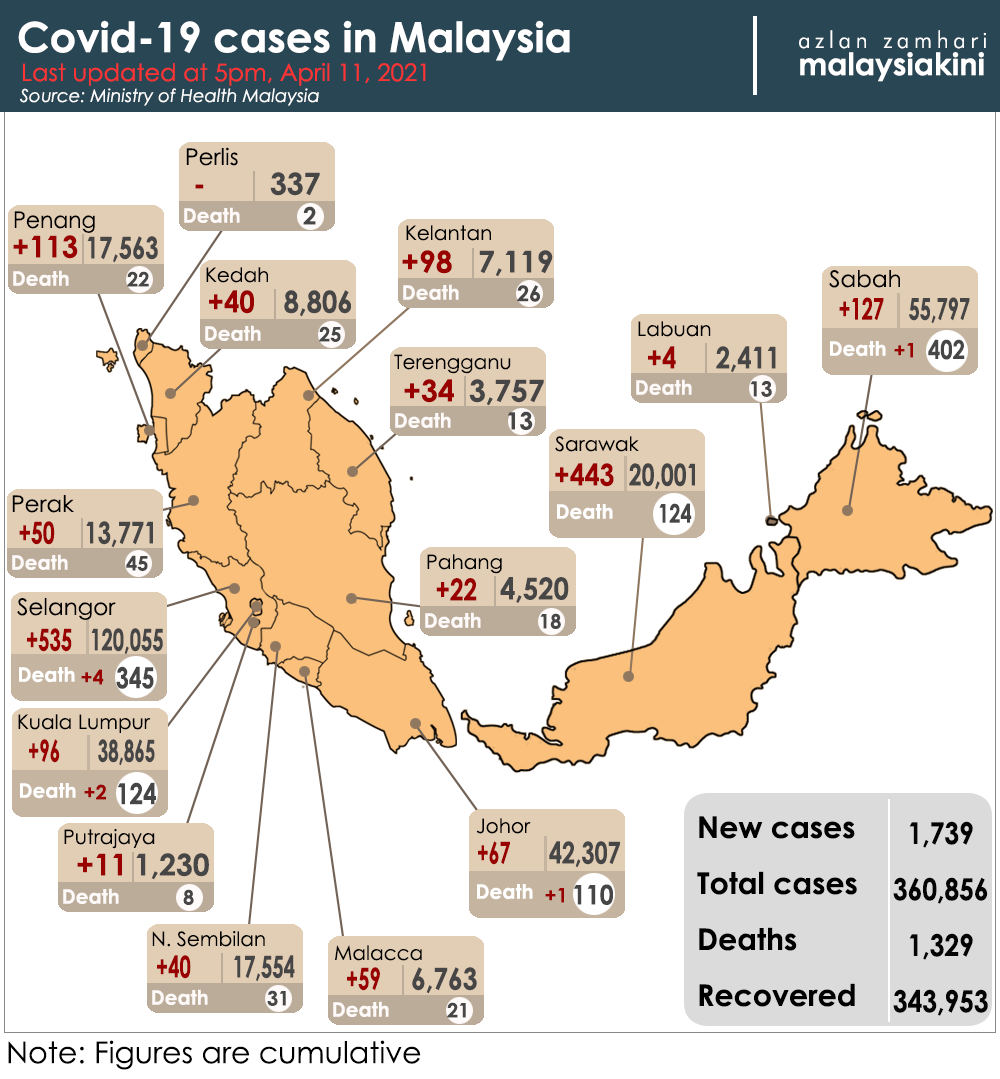
Covid-19 (April 11): 1,739 new cases, uptick in S’gor and S’wak
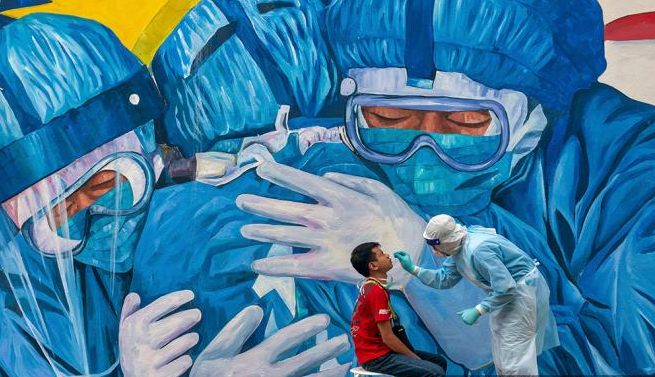
The Health Ministry today reported 1,739 new Covid-19 cases, the second-highest in more than a month.
The highest number during the same time period was just two days ago at 1,854.
Prior to the uptick, the country’s daily new infections in the preceding 34 days had never exceeded 1,700 cases.
The new infections comprised 77.23 percent Malaysians and 22.77 percent non-citizens.
The Klang Valley accounted for 36.92 percent (642 cases) of new infections while East Malaysia made up 33.01 percent (574 cases) of the fresh infections.
Sarawak reported the second-highest number of new daily cases today at 443 infections.
But it was overtaken by Selangor which is also seeing a surge in fresh infections at 535 cases, the highest in 11 days.
A total of 1,216 Covid-19 patients recovered today but they were outpaced by new infections, contributing to a rise in active cases and increasing the strain on Covid-19 hospitals.
- Active cases: 15,574
- Patients in ICUs: 183
- Intubated: 81
This was the second consecutive day where active cases are above 15,000. It had remained in the 14,000 range in the preceding 23 days.
Deaths
There were eight fatalities today, bringing the death toll to 1,329.
The new deaths were recorded in Selangor (4), Kuala Lumpur (2), Sabah (1) and Johor (1).
Those who died were aged between 57 and 78.
For a detailed breakdown of the reported deaths today, please refer to our Covid-19 tracker site.
New cases by states
Clusters
A total of 343 out of 1,459 clusters are still active. From the active clusters, 50 of them contributed to the new cases today.
They include the eight new clusters reported today as well as another eight that were declared resolved.
The resolved clusters are: Melor, Jalan i-Park Tiga, Industri Waja, Bukit Putra, Kampung Sungai Maong, Jalan Kabel Gemilang, Jalan Sungai Baong, and Jalan Industri Tiga.
Details of the new clusters are as follows:
Jalan Kasawari cluster
District(s): Kuala Langat in Selangor
Locality/Source: A factory at Jalan Kasawari, Kawasan Perusahaan Kebun Baru, Telok Panglima Garang, Kuala Langat
Cluster category: Workplace
First case: April 11
Total infected: 49 out of 198 screened
Jalan Desaria cluster
District(s): Sepang, Gombak and Hulu Langat in Selangor
Locality/Source: A public institution at Jalan Desaria, Kampung Pulau Meranti, Puchong
Cluster category: Workplace
First case: April 8
Total infected: 13 out of 193 screened
Jalan Bambangan cluster
District(s): Mukah and Dalat in Sarawak
Locality/Source: An education centre at Jalan Bambangan, Mukah
Cluster category: Workplace
First case: April 7
Total infected: 30 out of 72 screened
Jalan Badarudin cluster
District(s): Kuching and Samarahan in Sarawak
Locality/Source: A public administrative centre at JalanBadarudin, Kuching
Cluster category: Workplace
First case: April 7
Total infected: 17 out of 91 screened
Jalan Zainab cluster
District(s): Pasir Puteh, Bachok, Kota Bharu, Pasir Mas and Tumpat in Kelantan
Locality/Source: A company at Jalan Sultanah Zainab, Kota Bharu
Cluster category: Workplace
First case: April 6
Total infected: 51 out of 286 screened
Nanga Kelangas cluster
District(s): Julau in Sarawak
Locality/Source: Nanga Kelangas, Sungai Merurun, Julau
Cluster category: Community
First case: April 4
Total infected: 37 out of 57 screened
Abak Bon cluster
District(s): Miri and Subis in Sarawak
Locality/Source: Longhouses in Miri
Cluster category: Community
First case: March 27
Total infected: 34 out of 175 screened
Meruntum cluster
District(s): Putatan and Penampang in Sabah
Locality/Source: Social event at Kampung Meruntum Fasa 3, Putatan
Cluster category: Community
First case: April 10
Total infected: 8 out of 72 screened
 English
 简体中文
简体中文 Bahasa Indonesia
 Bahasa Melayu
Get the expert view