
Covid-19 (Aug 2): 15,764 cases, another record 219 deaths
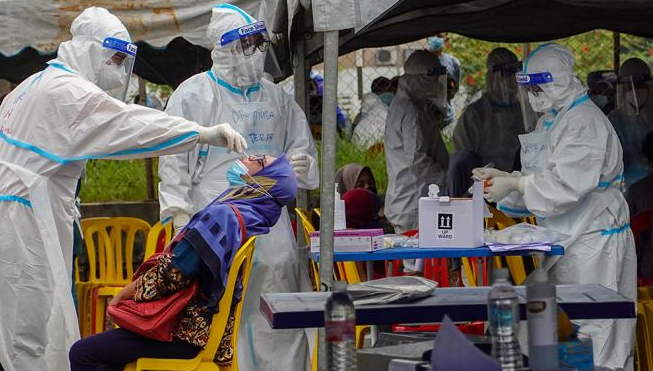
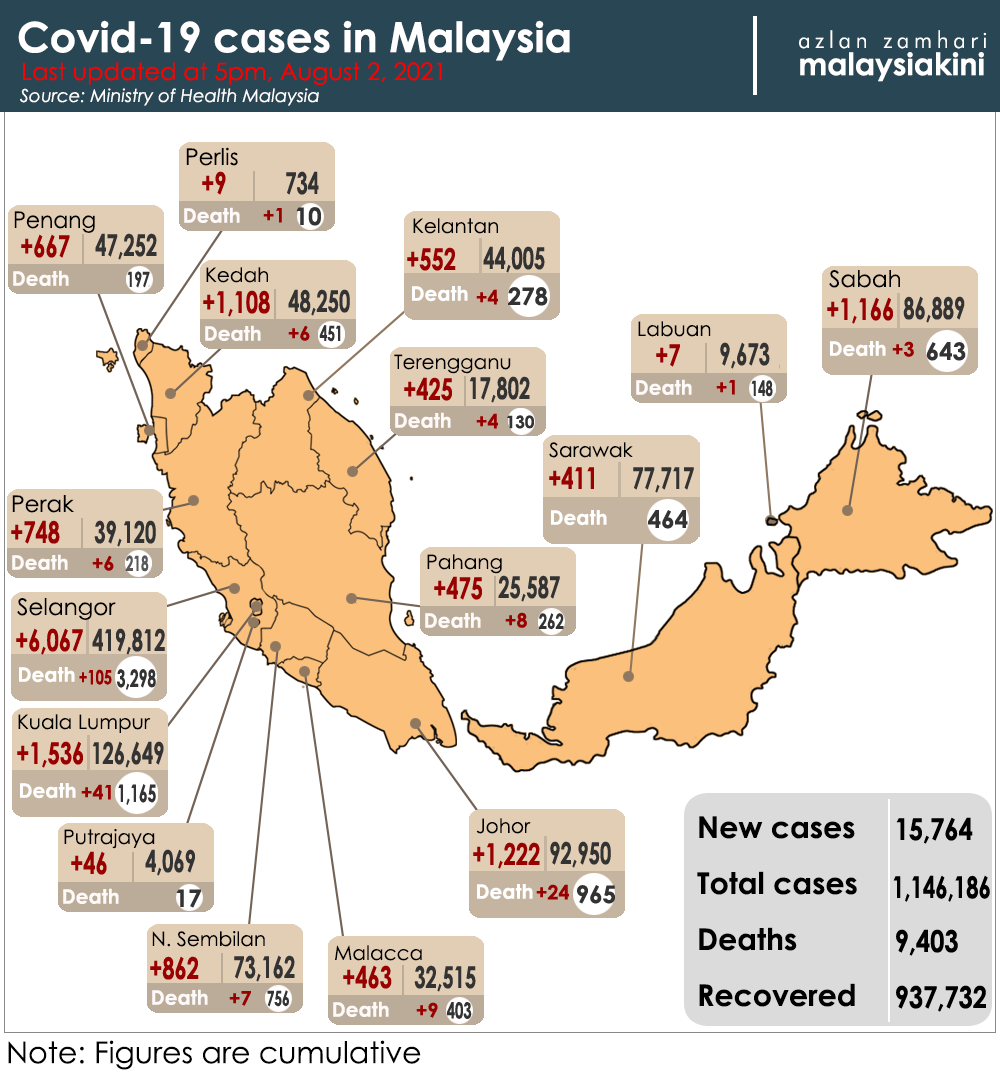
COVID-19 | The number of new Covid-19 infections reported today was 15,764, a dip from yesterday’s tally of 17,150 cases.
This means the cumulative total of cases is now 1,146,186 cases with Kedah, Johor and Sabah all registering more than 1,000 infections.
This is on top of Selangor and Kuala Lumpur, which continue to be the two areas with the most cases.
The Klang Valley accounted for 48.54 percent (7,649 cases) of new locally transmitted infections.
A total of 11,767 Covid-19 patients recovered today but they were outpaced by new infections, contributing to a rise in active cases which is now approaching 200,000.
- Active cases: 199,051
- Patients in ICUs: 1,063
- Intubated: 532
Deaths
A total of 219 people died from Covid-19 today, a new record.
The previous record was 207 deaths in one day, which was back-to-back on July 26 and 27 for a total of 414 deaths.
The death toll now stands at 9,403.
New cases by state:
Selangor (6067)
Kuala Lumpur (1536)
Johor (1222)
Sabah (1166)
Kedah (1108)
Negeri Sembilan (862)
Perak (748)
Penang (667)
Kelantan (552)
Pahang (475)
Malacca (463)
Terengganu (425)
Sarawak (411)
Putrajaya (46)
Perlis (9)
Labuan (7)
Clusters
A total of 1,128 out of 3,731 clusters are still active. This includes 29 new clusters.
Of the 29 new clusters today, 13 were workplace-related while 11 were community transmissions.
Details of the new clusters are as follows:
Jalan Bestari Empat
Category: Workplace
State(s): Johor
District(s): Johor Bahru
Total infected: 45 out of 104 screened
Jalan Industri Lapan Emas
Category: Workplace
State(s): Johor
District(s): Pontian
Total infected: 24 out of 255 screened
Batu 10 Skudai
Category: Workplace
State(s): Johor
District(s): Johor Bahru and Kulai
Total infected: 19 out of 112 screened
Industri Lagenda Putra Lapan
Category: Workplace
State(s): Johor
District(s): Kulai
Total infected: 16 out of 96 screened
Industri Perai Dua
Category: Workplace
State(s): Penang
District(s): Seberang Perai Utara, Seberang Perai Tengah and Seberang Perai Selatan
Total infected: 35 out of 685 screened
Lintang Batu Lanchang
Category: Workplace
State(s): Penang
District(s): Timur Laut and Barat Daya
Total infected: 24 out of 64 screened
Zon Dagang Bebas Perai
Category: Workplace
State(s): Penang
District(s): Seberang Perai Tengah and Seberang Perai Selatan
Total infected: 10 out of 37 screened
Tapak Bina Batu Lima 2
Category: Workplace
State(s): Kuala Lumpur
District(s): Lembah Pantai
Total infected: 179 out of 430 screened
Jalan Pusat Bandar
Category: Workplace
State(s): Kuala Lumpur
District(s): Kepong
Total infected: 19 out of 43 screened
Sungai Enggang
Category: Workplace
State(s): Pahang
District(s): Rompin
Total infected: 14 out of 186 screened
Kampung Tanjung Balok
Category: Workplace
State(s): Pahang
District(s): Kuantan
Total infected: 9 out of 103 screened
Sibulu
Category: Workplace
State(s): Sabah
District(s): Tenom
Total infected: 55 out of 114 screened
Cabang Tiga Lemal
Category: Workplace
State(s): Kelantan
District(s): Pasir Mas
Total infected: 8 out of 68 screened
Paloh Gua Musang
Category: Community
State(s): Kelantan
District(s): Gua Musang
Total infected: 34 out of 55 screened
Aring Gua Musang
Category: Community
State(s): Kelantan
District(s): Gua Musang
Total infected: 32 out of 37 screened
Kampung Bukit Cina Kok Lanas
Category: Community
State(s): Kelantan
District(s): Kota Bharu and Machang
Total infected: 22 out of 30 screened
Cabang Empat Chetok 2
Category: Community
State(s): Kelantan
District(s): Pasir Mas
Total infected: 18 out of 25 screened
Kampung Kubang Telaga
Category: Community
State(s): Kelantan
District(s): Bachok
Total infected: 16 out of 22 screened
Kampung Dewan Kecil
Category: Community
State(s): Kelantan
District(s): Machang
Total infected: 10 out of 36 screened
Kerteh Tiga
Category: Community
State(s): Terengganu
District(s): Dungun
Total infected: 60 out of 222 screened
Dah Kampung Tok
Category: Community
State(s): Kedah
District(s): Kota Setar
Total infected: 39 out of 114 screened
Tembeling Tengah
Category: Community
State(s): Pahang
District(s): Jerantut
Total infected: 27 out of 100 screened
Kampung Esso Intan
Category: Community
State(s): Perak
District(s): Hilir Perak
Total infected: 22 out of 31 screened
Kampung Raya Sagil
Category: Community
State(s): Johor
District(s): Tangkak
Total infected: 13 out of 16 screened
Jalan Pekan Baru
Category: High-risk group
State(s): Selangor
District(s): Klang
Total infected: 24 out of 28 screened
Jalan Hospital Bandar Kota Bharu
Category: High-risk group
State(s): Kelantan
District(s): Kota Bharu, Pasir Mas and Pasir Puteh
Total infected: 17 out of 50 screened
Jalan Temenggong Ahmad
Category: High-risk group
State(s): Johor
District(s): Muar
Total infected: 9 out of 51 screened
Kampung Dalam Rhu Tumpat
Category: Institusi Pendidikan Swasta Berdaftar KPM
State(s): Kelantan
District(s): Tumpat
Total infected: 23 out of 77 screened
Kampung Belukar Kadok
Category: Religious event
State(s): Kelantan
District(s): Kota Bharu
Total infected: 8 out of 15 screened
Source:Malaysiakini
Indonesia extends COVID-19 emergency restrictions in some areas until Aug 9
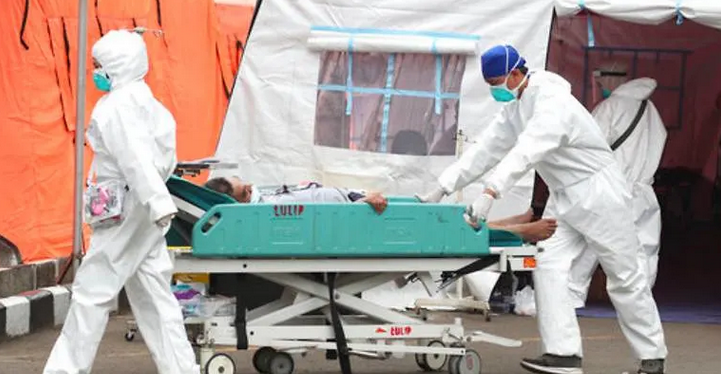
JAKARTA: Indonesian President Joko Widodo announced on Monday (Aug 2) that the current restrictions put in place to curb the spread of COVID-19 will be extended until Aug 9.
Several cities and regencies, including the Indonesian capital Jakarta, have been under Level 4 curbs, which restrict people’s movements. Only employees in essential and critical sectors such as energy and health are allowed to go back to their workplaces.
President Widodo said that the measures have led to “improvements on a national level” in terms of the new COVID-19 cases daily, the number of active cases, recoveries and hospitals’ bed occupancy rate.
“The government decided to continue the enforcement of PPKM (community-level public activity restrictions enforcement) Level 4 from Aug 3 to 9 in certain regencies and cities with restrictions in activities and mobility depending on each areas’ conditions,” he said.
“To ease the burden caused by the restriction of activities and mobility, the government will continue to provide social aid.”
The president had announced a new policy last week that allows regions to be classified into four levels based on their risk of COVID-19 transmission.
Level 4 areas are regions with the highest level of restrictions, as they have more than 50 confirmed cases daily per 100,000 people. Traditional markets and small businesses are allowed to open but with reduced capacities and operating hours.
Coordinating Minister for Maritime and Investment, Luhut Binsar Panjaitan said nearly all cities and regencies will continue to impose PPKM Level 4, with the exception of 12 regencies and cities which have been downgraded to PPKM Level 3 and one regency that will now impose PPKM Level 2.
The minister said the areas will be specified later in a decree issued by the Home Affairs Ministry.
“The enforcement of PPKM Level 4 has shown pretty good results. A number of provinces have seen a decline in the number of cases as well as bed occupancy rate,” said Mr Panjaitan, who is leading the implementation of the restrictions in the islands of Java and Bali.
“This provides a good hope but we have to remain careful because we are dealing with this Delta variant.”
Mr Panjaitan noted that although the daily numbers of cases are declining, some areas still have high numbers of deaths.
“We are hoping that the situation (in these areas) will improve this week,” he said.
Meanwhile Coordinating Minister for Economic Affairs Airlangga Hartarto, who is leading the implementation of the restrictions outside of the two islands, said that PPKM Level 4 will be imposed on 45 cities and regencies in 21 provinces that have seen a rise in the daily number of infections.
READ: Indonesia believes it can achieve 5 million vaccinations per day: Coordinating minister
Indonesia has been experiencing a second wave of COVID-19 infections due to the Delta variant, which experts said are found in 95 per cent of cases reported.
Health Minister Budi Gunadi Sadikin said earlier on Monday that the second wave has peaked.
“We can see that the peak is behind us particularly in areas in Java,” he said, referring to Indonesia’s most populous islands where 50 per cent of the country’s population lives. “We are starting to see some improvements although I know that it is not 100 per cent (back to normal).”
Indonesia recorded more than 22,000 new cases on Monday. At the height of the country’s second wave in mid-July, there were more than 50,000 infections daily.
The health minister credited the fall in cases to the PPKM policy and the government’s efforts to address shortages in hospital beds and medical oxygen.
Mr Sadikin, however, warned that although Java was seeing a decline in new infections, other regions across the country are posting an increase in cases.
“We expect to handle (the rising infection) outside of Java more quickly, because all we have to do is replicate what we have done in Java,” the minister said.
Indonesia has logged more than 3.4 million COVID-19 cases and 97,000 deaths since the pandemic began.
Source: CNA/ni(gs)
Indonesia extends COVID-19 emergency restrictions in some areas until Aug 9
JAKARTA: Indonesian President Joko Widodo announced on Monday (Aug 2) that the current restrictions put in place to curb the spread of COVID-19 will be extended until Aug 9.
Several cities and regencies, including the Indonesian capital Jakarta, have been under Level 4 curbs, which restrict people’s movements. Only employees in essential and critical sectors such as energy and health are allowed to go back to their workplaces.
President Widodo said that the measures have led to “improvements on a national level” in terms of the new COVID-19 cases daily, the number of active cases, recoveries and hospitals’ bed occupancy rate.
“The government decided to continue the enforcement of PPKM (community-level public activity restrictions enforcement) Level 4 from Aug 3 to 9 in certain regencies and cities with restrictions in activities and mobility depending on each areas’ conditions,” he said.
“To ease the burden caused by the restriction of activities and mobility, the government will continue to provide social aid.”
The president had announced a new policy last week that allows regions to be classified into four levels based on their risk of COVID-19 transmission.
Level 4 areas are regions with the highest level of restrictions, as they have more than 50 confirmed cases daily per 100,000 people. Traditional markets and small businesses are allowed to open but with reduced capacities and operating hours.
Coordinating Minister for Maritime and Investment, Luhut Binsar Panjaitan said nearly all cities and regencies will continue to impose PPKM Level 4, with the exception of 12 regencies and cities which have been downgraded to PPKM Level 3 and one regency that will now impose PPKM Level 2.
The minister said the areas will be specified later in a decree issued by the Home Affairs Ministry.
“The enforcement of PPKM Level 4 has shown pretty good results. A number of provinces have seen a decline in the number of cases as well as bed occupancy rate,” said Mr Panjaitan, who is leading the implementation of the restrictions in the islands of Java and Bali.
“This provides a good hope but we have to remain careful because we are dealing with this Delta variant.”
Mr Panjaitan noted that although the daily numbers of cases are declining, some areas still have high numbers of deaths.
“We are hoping that the situation (in these areas) will improve this week,” he said.
Meanwhile Coordinating Minister for Economic Affairs Airlangga Hartarto, who is leading the implementation of the restrictions outside of the two islands, said that PPKM Level 4 will be imposed on 45 cities and regencies in 21 provinces that have seen a rise in the daily number of infections.
READ: Indonesia believes it can achieve 5 million vaccinations per day: Coordinating minister
Indonesia has been experiencing a second wave of COVID-19 infections due to the Delta variant, which experts said are found in 95 per cent of cases reported.
Health Minister Budi Gunadi Sadikin said earlier on Monday that the second wave has peaked.
“We can see that the peak is behind us particularly in areas in Java,” he said, referring to Indonesia’s most populous islands where 50 per cent of the country’s population lives. “We are starting to see some improvements although I know that it is not 100 per cent (back to normal).”
Indonesia recorded more than 22,000 new cases on Monday. At the height of the country’s second wave in mid-July, there were more than 50,000 infections daily.
The health minister credited the fall in cases to the PPKM policy and the government’s efforts to address shortages in hospital beds and medical oxygen.
Mr Sadikin, however, warned that although Java was seeing a decline in new infections, other regions across the country are posting an increase in cases.
“We expect to handle (the rising infection) outside of Java more quickly, because all we have to do is replicate what we have done in Java,” the minister said.
Indonesia has logged more than 3.4 million COVID-19 cases and 97,000 deaths since the pandemic began.
Source: CNA/ni(gs)
 English
 简体中文
简体中文 Bahasa Indonesia
 Bahasa Melayu