
Covid-19 (April 7): 1,139 new cases, nearly a third in S’wak alone
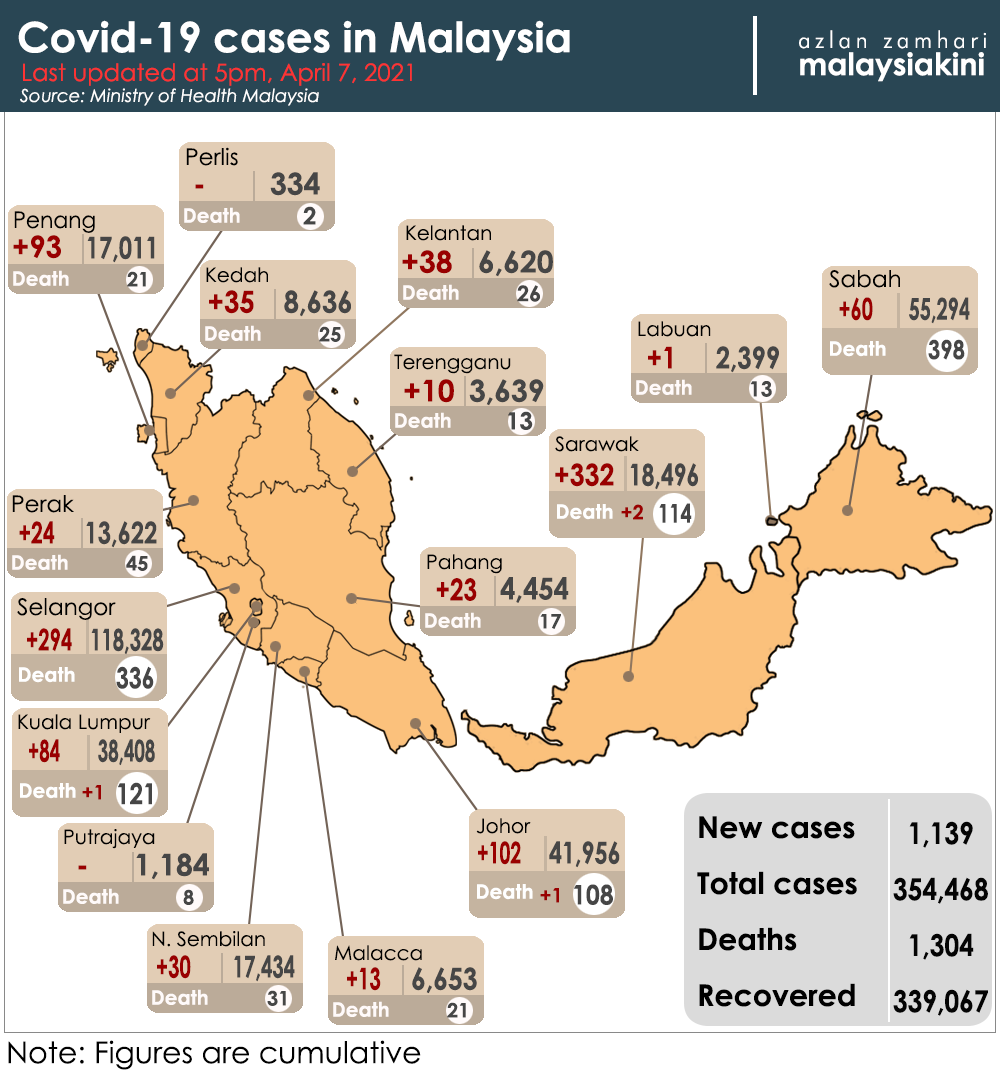
The Health Ministry today reported 1,139 new Covid-19 cases of which 29 percent were reported in Sarawak alone.
The number of patients in intensive care today reached its highest point in a month, although the number of active Covid-19 cases have been steadily going down during the same time period.
Malaysians accounted for 87.9 percent of new cases, indicative of a reducing number of Covid-19 cases being detected among industries dependent on foreign labour.
- Active cases: 14,097
- Patients in ICU: 194
- Intubated: 86
States
A large number of new cases in Sarawak were from a single new cluster known as Sungai Kawi, which accounted for 119 of the 332 new cases reported in the state today.
This cluster is the single most active cluster in the country reported today. No other cluster had more than 20 new cases.
Sarawak is among seven territories with an R-naught number of more than 1, with the others being Labuan, Putrajaya, Pahang, Perak, Sabah, and Kelantan.
At the national level, the R-naught has reached 1.03, up from the year-low of 0.81 on March 3.
Deaths
The Health Ministry reported four more Covid-19 related deaths today, bringing the national death toll to 1,304.
The new deaths were recorded in Kuala Lumpur (1), Sarawak (2), and Johor (1).
Those who died were aged between 61 and 87. Details of the victims are available on Malaysiakini’s Covid-19 tracker site.
Clusters
The Health Ministry reported that 354 Covid-19 clusters are still active of which 64 reported new cases today.
The cluster with the most new cases (119) was the abovementioned Sungai Kawi cluster in Sarawak. No other clusters reported more than 20 new cases.
There were 10 clusters classified by the Health Ministry today.
Details of the new clusters are as follows:
Jalan Simpang Balak cluster
District(s): Hulu Langat in Selangor
Locality/Source: Private business premise at Jalan Simpang Balak, Kampung Sungai Balak, Kajang, Hulu Langat
Cluster category: Workplace
First case: March 29, targeted screening
Total infected: 20 out of 90 screened
Jalan Keretapi cluster
District(s): Klang and Kuala Selangor in Selangor
Locality/Source: A factory at Jalan Keretapi Lama, Kampung Perepat, Kapar, Klang
Cluster category: Workplace
First case: April 5, targeted screening
Total infected: 81 out of 192 screened
Sungai Kluang Empat cluster
District(s): Barat Daya, Timur Laut, Seberang Perai Utara, Seberang Perai Tengah, and Seberang Perai Selatan in Penang
Locality/Source: A factory at Hilir Sungai Kluang 4, Zon Perindustrian Bebas Bayan Lepas, Barat Daya
Cluster category: Workplace
First case: March 18, targeted screening
Total infected: 33 out of 444 screened
Jalan Padang Benggali cluster
District(s): Seberang Perai Utara in Penang
Locality/Source: A factory at Jalan Padang Benggali, Teluk Air Tawar, Butterworth, Seberang Perai Utara
Cluster category: Workplace
First case: March 28, targeted screening
Total infected: 42 out of 127 screened
Jalan Bangunan Kerajaan cluster
District(s): Beluru and Miri in Sarawak
Locality/Source: A public administrative centre at Jalan Bangunan Kerajaan, Beluru
Cluster category: Workplace
First case: March 29, index case with symptoms
Total infected: 37 out of 171 screened
Persiaran Indahpura Utama cluster
District(s): Kulai, Johor Bahru and Batu Pahat in Johor
Locality/Source: A service provider at Persiaran Indahpura Utama, Kulai
Cluster category: Workplace
First case: April 1, index case with symptoms
Total infected: 11 out of 36 screened
Sungai Kawi cluster
District(s): Meradong and Sibu in Sarawak
Locality/Source: Cases reported at Sungai Kawi, Meradong
Cluster category: Community
First case: March 31, index case with symptoms
Total infected: 127 out of 224 screened
Jalan Persiaran Putri cluster
District(s): Kulai, Kota Tinggi, Muar and Kluang in Johor
Locality/Source: Social event on March 28, 2021; index case’s residence at Jalan Persiaran Sri Putri, Taman Putri Kulai, Kulai
Cluster category: Community
First case: April 6, index case with symptoms
Total infected: 15 out of 50 screened
Tembok Choh Dua cluster
District(s): Johor Bahru in Johor
Locality/Source: Detention centre at Jalan Ulu Choh-Pontian, Johor Bahru
Cluster category: Detention centre
First case: April 1, pre-hospitalisation screening
Total infected: 10 out of 155 screened
Highline cluster
District(s): Kota Tinggi in Johor
Locality/Source: Foreign vessel docked at Perairan Pengerang, Kota Tinggi
Cluster category: Imported
First case: April 5, screening upon ship sign off
Total infected: 5 out of 14 screened
Australia calls for release of 3.1 million COVID-19 vaccine doses if EU not blocking exports
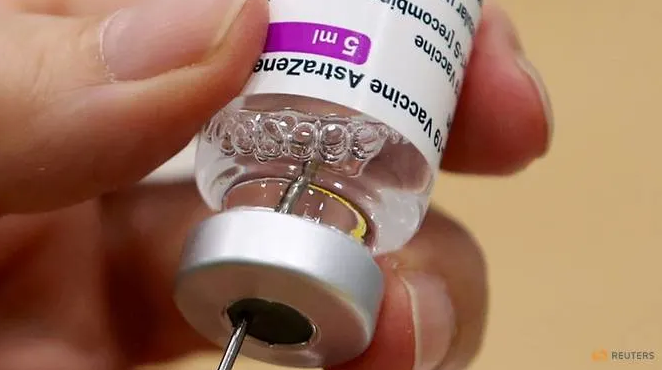
SYDNEY: Australia said on Wednesday (Apr 7) it will ask the European Union to release more than 3 million doses of AstraZeneca’s COVID-19 vaccine, testing Brussel’s claim it is not blocking shipments, as the country struggles to vaccinate its population.
The European Union on Tuesday denied blocking vaccine shipments to Australia, which has fallen dramatically behind in its scheduled vaccination programme. The EU said it was not responsible for AstraZeneca’s failure to uphold commitments to other countries.
READ: EU sharpens COVID-19 vaccine export rules as third wave of infections rises
READ: EU rejects accusations of COVID-19 ‘vaccine nationalism’
Prime Minister Scott Morrison said Australia was asked by the EU to withdraw export permit applications and letters requesting supplies have gone unanswered.
Morrison said if the EU was now indicating its willingness to release shipments, he would again ask for the 3.1 million doses to be released. The 3.1 million doses were scheduled to arrive in Australia by the end of March.
“We obviously want those millions of doses,” Morrison told reporters in the capital Canberra.
“Given statements made overnight, that apparently there is no obstruction to that and then I would hope that could be readily addressed.”
Morrison said that if the EU permits the exports, Australia will donate 1 million doses to Papua New Guinea, which is struggling to cope amid soaring case numbers.
Last month the EU, at Italy’s request, blocked a shipment of 250,000 doses of AstraZeneca’s vaccine to Australia, citing vaccine shortages in Europe.
It later denied Australia’s request to review the blockage, the first such refusal since Brussels established a mechanism to monitor vaccine flows in late January.
The vaccine dispute between Australia and the EU underscores massive shortfalls of the AstraZeneca shot across the EU and the impact of any vaccine export curbs on countries that had pre-ordered doses.
The Australian government has blamed the delay of the 3.1 million AstraZeneca doses for it falling behind in its own vaccination programme.
Australia received an initial shipment of 300,000 doses of the AstraZeneca vaccine in late February, which it said was the last received. It has also imported doses of Pfizer-BioNTech’s vaccine.
The AstraZeneca vaccine arriving from Europe was to underpin the early stages of Australia’s vaccine drive, supplementing 50 million shots of the vaccine that will be produced locally by CSL.
Australia’s inoculation programme is running behind schedule, with about 670,000 people vaccinated against an initial target of 4 million by end-March.
AstraZeneca did not immediately reply to a request for comment on Wednesday.
BOOKMARK THIS: Our comprehensive coverage of the coronavirus outbreak and its developments
Download our app or subscribe to our Telegram channel for the latest updates on the coronavirus outbreak: https://cna.asia/telegram
Source: Reuters/vc
 English
 简体中文
简体中文 Bahasa Indonesia
 Bahasa Melayu