
Covid-19 (March 9): 1,280 new cases, 9 deaths
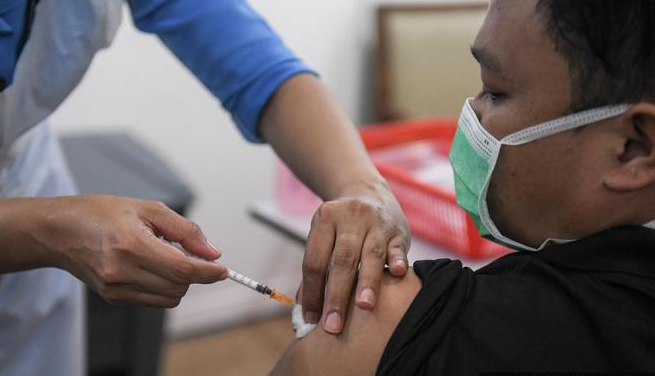
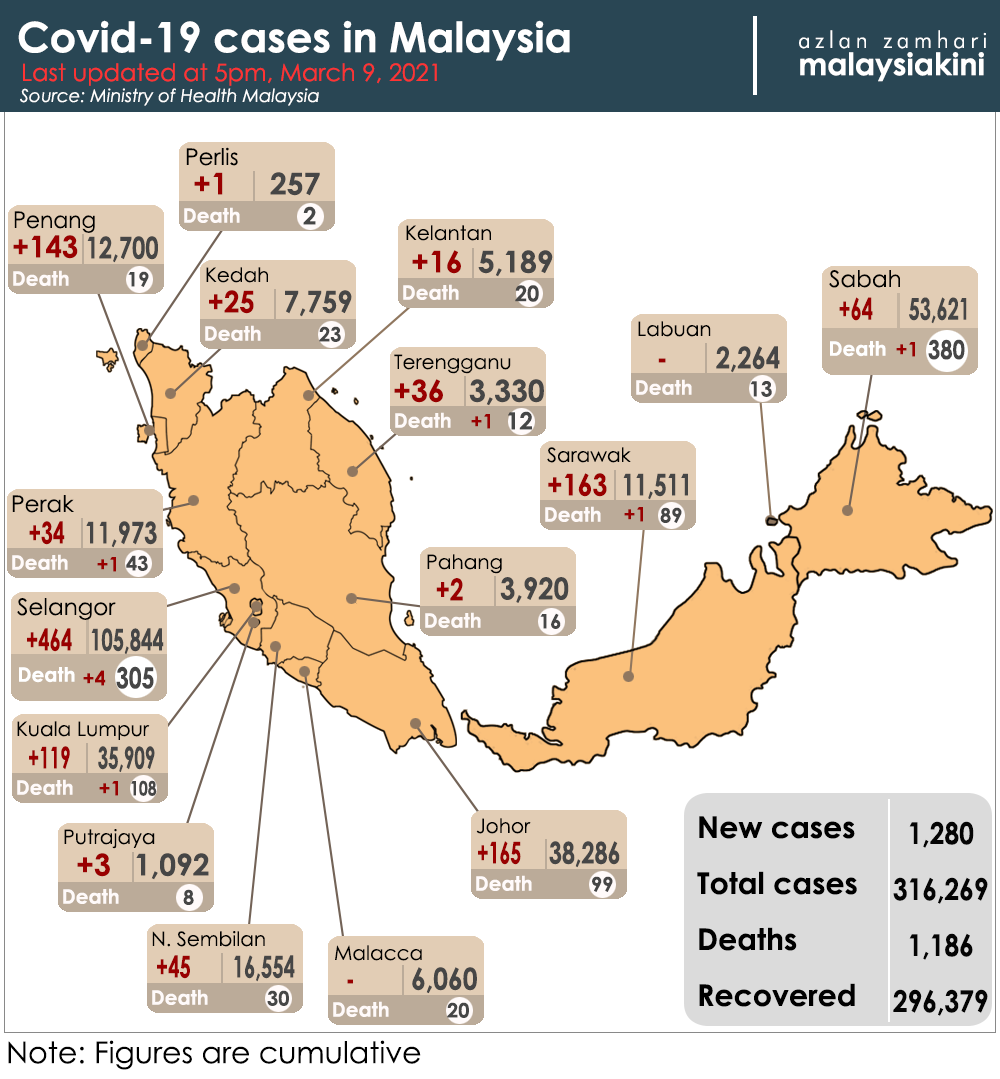
The Health Ministry today reported 1,280 new Covid-19 cases and nine deaths in the 24-hour period ending noon today.
The new cases comprise 71.9 percent Malaysians. Most of the new cases were reported in the Klang Valley (45.8 percent) followed by Johor 12.9 percent and Sarawak (12.7 percent).
- Active cases: 18,704
- Patients in ICUs: 155
- Intubated: 76
The number of Covid-19 patients requiring intensive care have not been this low in two months, while the number of active cases are currently at levels not seen since late December, 2020. https://newslab.malaysiakini.com/covid-19/embed/en/IndividualsTested
Deaths
Of the nine deaths reported today, five were reported in the Klang Valley and one case reported in Kuala Lumpur, Terengganu, Perak, Sabah and Sarawak respectively.
The Klang Valley currently accounted for 35.16 percent of all Covid-19 deaths in the country.
The country’s Covid-19 death toll stood at 1,186.
One of the victim – a foreigner, age 38 – was brought to the Canselor Tuanku Muhriz Hospital in Kuala Lumpur after he died.
Clusters
There are currently 457 active Covid-19 cases in the country of which 63 reported new cases today.
The largest number of new cases in a single cluster today was 36 – a welcome sign since new clusters in the three digits used to be the norm during the last movement control order (MCO) period.
The Health Ministry today reported nine new clusters of which two involved community spread that did not involve work places.
A cluster known as Jalan Setia Jaya involved a social event in Batu Pahat, Johor. There’s another community cluster in Sungai Lembing, Pahang but there are little details.
Jalan Nusa Mega cluster
District(s): Johor Bahru, Johor
Locality/Source: Factory in Jalan Mega 1, Taman Perindustrian Nusa Cemerlang
Cluster category: Workplace
First case: March 4, index case with symptoms
Total infected: 36 out of 182 screened
Jalan Industri A1 cluster
District(s): Tangkak, Johor
Locality/Source: Factory in Jalan Industri A1, Muar.
Cluster category: Workplace
First case: March 5, index cases detected as part of pre-departure screening
Total infected: 21 out of 31 screened
Tapak Bina Jalan U-Thant cluster
District(s): Titiwangsa, WP Kuala Lumpur
Locality/Source: Construction site in Jalan U-Thant
Cluster category: Workplace
First case: March 9, targeted screening
Total infected: 35 out of 158 screened
Tapak Bina Jalan Salak cluster
District(s): Lembah Pantai, WP Kuala Lumpur
Locality/Source: Construction site in Jalan Salak Selatan, Lembah Pantai
Cluster category: Workplace
First case: March 8, targeted screening
Total infected: 16 out of 29 screened
Lorong Kilang cluster
District(s): Petaling and Klang, Selangor
Locality/Source: Factory in Lorong Kilang, Petaling Jaya.
Cluster category: Workplace
First case: Feb 6, targeted screening
Total infected: 41 out of 419 screened
Medan Bayan Lepas cluster
District(s): Barat Daya, Timur Laut, Seberang Perai Utara, Seberang Perai Tengah, and Seberang Perai Selatan, Pulau Pinang
Locality/Source: Factory in Medan Bayan Lepas, Zon Perindustrian Bebas Bayan Lepas
Cluster category: Workplace
First case: Feb 26, targeted screening
Total infected: 65 out of 428 screened
Sungai Lembing cluster
District(s): Kuantan, Pahang
Locality/Source: Unnamed locality in Sungai Lembing
Cluster category: Community
First case: March 3, index case with symptoms
Total infected: 13 out of 135 screened
Jalan Setia Jaya cluster
District(s): Batu Pahat, Johor
Locality/Source: Social event in Jalan Setia Jaya Utama
Cluster category: Community
First case: March 8, index case with symptoms
Total infected: 28 out of 56 screened
Amanjaya cluster
District(s): Kuala Muda, Kedah
Locality/Source: Medical centre in Bandar Aman Jaya, Sungai Petani.
Cluster category: At-risk groups
First case: Feb 26, index case with symptoms
Total infected: 16 out of 61 screened
https://newslab.malaysiakini.com/covid-19/embed/en/states-chart
Source:Malaysiakini
When too salty kills

“More Flavour, Less Salt!” The World Salt Awareness Week falls from March 8 to 14 this year. The aim is to raise awareness of the damaging effect of too much salt on our health.
The campaign is part of the global strategy to reduce salt consumption. Our local study showed that the average salt intake per day among Malaysians was 7.9g in 2017–2018.
This far exceeded the level recommended by the World Health Organisation (WHO), which is less than 5g per day. One of the global NCD targets by the WHO is to reduce salt intake by 30 percent.
Excessive salt consumption is related to elevated blood pressure or hypertension.
Blood pressure is expressed with two numbers. The first (systolic) number represents the pressure when the heart contracts, while the second (diastolic) number represents the pressure when the heart rests between beats. The blood pressure is high when the systolic reading is ≥140 mmHg, or the diastolic reading is ≥90 mmHg (or both).
Hypertension is a “silent killer.” Most individuals with hypertension do not have symptoms. Thus, it is essential to measure blood pressure regularly.
The recent 2019 National Health and Morbidity Survey reported that 30 percent of our adult population had hypertension. What is worrying is that almost half of the respondents do not know that they have the disease.
If left undetected or uncontrolled, hypertension can lead to heart attack, stroke, heart failure, kidney failure, vision loss, and sexual dysfunction.
With the interrelations between risk factors such as unhealthy diet, obesity, and physical inactivity, there is no wonder why a whopping 1.7 million Malaysians have hypertension, diabetes, and high cholesterol.
Another local study reported that among our diabetes patients, 85 percent of them had hypertension and 88 percent high cholesterol.
Diverse factors such as diet, physical activity level, body weight, tobacco smoking, alcohol consumption, mental stress, medical conditions, and medications can all affect blood pressure readings.
Hence, it is not surprising that blood pressure among patients is often difficult to control.
Among diabetic hypertensive patients in Malaysia, blood pressure trends have mostly stagnated despite more than half of them were given two or more blood pressure medications.
Moreover, only a quarter of them achieved the clinically recommended blood pressure goal.
What can we do to prevent hypertension or optimise blood pressure control?
- Know the numbers – only by checking our blood pressure regularly can we know about our blood pressure status.
- Reduce our dietary salts intake. Replace salt with spices, fresh herbs, garlic and black pepper. Cut back on sauces – soya sauce, salad dressing and others. Avoid foods high in salts such as instant noodles, fast foods, smoked, salted or canned meat, fish or poultry.
- Home-cooked food – get creative in the kitchen and try out new recipes.
- Adopt a healthy diet rich in fruit, vegetables, whole grains, legumes, seeds, nuts, and fish and low in red meat, sweets, salts, and fats.
- Stop smoking and limit alcohol consumption for non-Muslims.
- Exercise regularly. Resistance training using weight (eg, bodyweight exercise) and aerobic exercise (eg, brisk walking, cycling, jogging) help.
- For individuals on blood pressure medications, do adhere to the prescribed treatment plans.
DR NORAN NAQIAH HAIRI, DR MOY FOONG MING and DR WAN KIM SUI are from the Centre for Epidemiology and Evidence-Based Practice, Department of Social and Preventive Medicine, Faculty of Medicine, University of Malaya.
Source : Malaysiakini
 English
 简体中文
简体中文 Bahasa Indonesia
 Bahasa Melayu