
UPDATED 9.54PM | List of locations affected by Covid-19 (Feb 4)
BUSINESSES
– Ben’s Independent Grocer (BIG), The Linc KL, Kuala Lumpur
The management said a concessionaire staff from the wine and liquor department in their The Linc outlet has tested positive for Covid-19.
The staff last reported working on Feb 1.
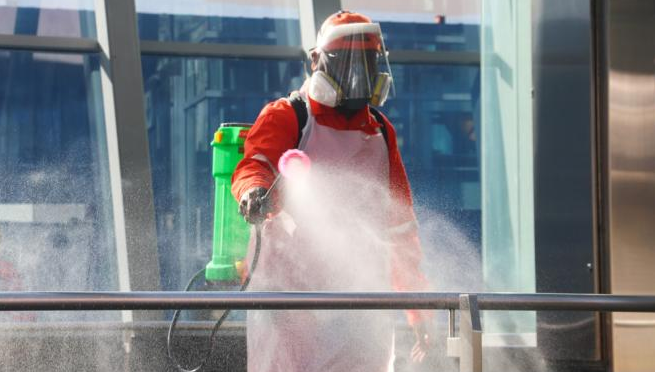
All other staff had to undergo screening and the store was sanitised and disinfected.
Dear Customer, please be aware we were informed today, 3rd Feb, one of our concessionaire staff from wine & liquor…Posted by Ben’s Independent Grocer on Wednesday, 3 February 2021
– Sibujaya market, Sibu, Sarawak
A large-scale Covid-19 screening was held at the Sibujaya market on Jan 31, with 668 individuals turning up for the test.
Sarawak health director Dr Chin Zin Hing said they almost completed testing all 668 samples and so far, 21 individuals were confirmed positive.
– SenQ Digital Station, Queensbay Mall, Penang
The management said on Facebook on Feb 3 that an employee from their branch in Queensbay Mall had tested positive for Covid-19. The employee last came to work on Jan 29.
The branch is now closed for disinfection until further notice. Contact tracing is underway and other employees have been sent for screening.
GOVERNMENT BUILDINGS
– Puspakom Bangi, Selangor
Puspakom announced that a staff member from their Bangi branch had tested positive for Covid-19.
Contact tracing is underway and all staff members from the same branch will undergo screening. Those who had direct contact with the patient will also self-quarantine for 14 days.
As such, the Bangi branch will be closed starting Jan 4 until further notice, for sanitisation.
OTHERS
– Various locations in Sarawak
The Sarawak Disaster Management Committee has released a daily list of locations where Covid-19 patients visited before testing positive for the virus.
Below is the latest list:
Posted by Sarawak Disaster Information on Wednesday, 3 February 2021
Posted by Sarawak Disaster Information on Wednesday, 3 February 2021
Posted by Sarawak Disaster Information on Wednesday, 3 February 2021
Posted by Sarawak Disaster Information on Wednesday, 3 February 2021
RESIDENCES
– Royalle Condominium, Segambut, Kuala Lumpur
In a notice dated Jan 2, sighted by Malaysiakini, the management revealed that there have been several Covid-19 cases in the condominium since the start of the year.
The cases involve residents from Level 3A, 7, 11 and 15 as well as a security guard.
– Gaya Bangsar Condominium, Kuala Lumpur
The management said in a notice dated Feb 3, sighted by Malaysiakini, that a resident had tested positive for Covid-19.
All common areas have been disinfected.
– Taman Indah Jaya, Kluang, Johor
An individual who tested positive for Covid-19 informed Malaysiakini he had visited his parents who live at Taman Indah Jaya on Jan 31.
This was one day before he tested positive for Covid-19, he said.
Source : Malaysiakini
Covid-19 (Feb 4): 4,571 new cases, 17 deaths
The Health Ministry today reported 4,571 new cases and 17 deaths.
New cases in Sabah – the epicentre of Covid-19 cases late last year – continue to be on a downward trajectory (175) since Jan 23.
Johor, Kuala Lumpur and Selangor are still on an upward trend since the start of the second movement control order (Jan 13). Trends are less clear for other regions.
The scheduled Covid-19 media briefing by the Health Ministry today was cancelled for reasons unknown.
- Active cases: 48,771 (New record)
- Patients in ICU: 308
- Intubated: 135
- RT-PCR tests*: N/A (Jan 21 – 48,728 tests processed, 76,255 capacity)
- Number of samples taken**: 60,752
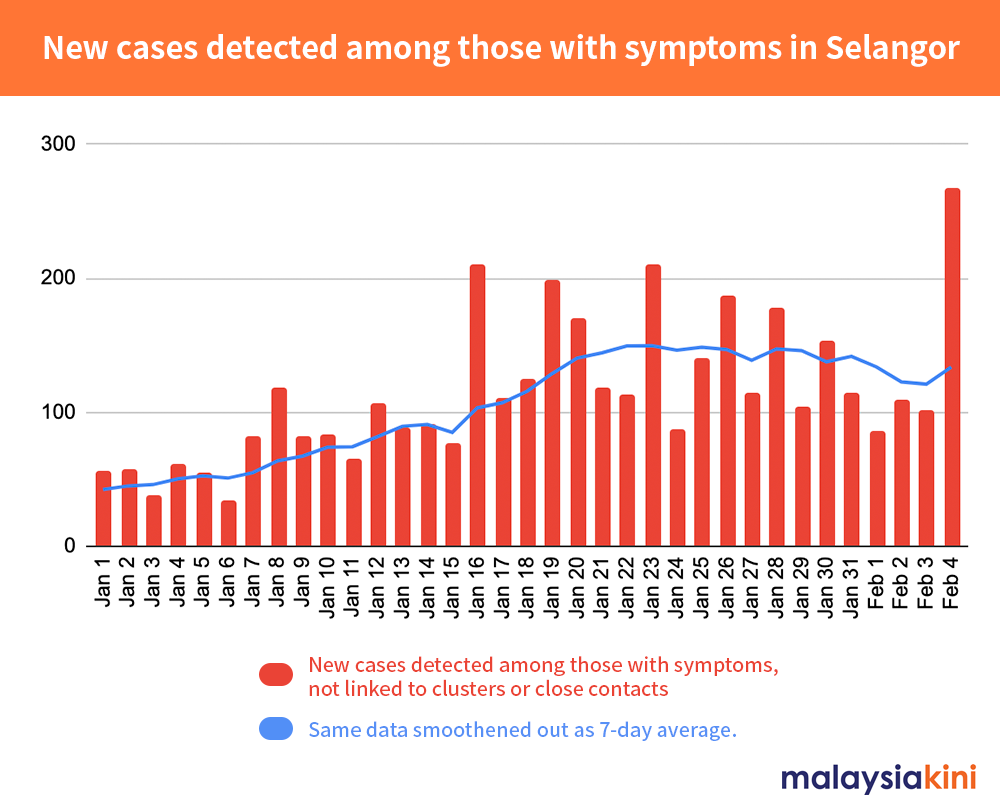
In Selangor, there were 260 new cases which were detected among those reporting symptoms but are not yet linked to clusters or close contacts.
This is the highest figure noted since Malaysiakini began recording this category of new cases for Selangor. Those with symptoms are more likely to spread Covid-19 compared to those who are asymptomatic.
This category of figures cannot be discerned for two other hotspots – Kuala Lumpur and Johor – as the data is not made available.
For a detailed list of new cases according to state, scroll to the bottom of this article.
Deaths
The cumulative Covid-19 death toll has reached 826. Among the 17 victims was a four-month-old baby with heart problems.
There were three victims who were brought to the hospital dead. Among them were two who were under 40 years of age, one of which had no comorbidity.
Four deaths were reported in Selangor and three in Sabah and Sarawak respectively. Details of the victims are on Malaysiakini Covid-19 tracker page. https://e.infogram.com/c8a28e8e-d511-48c1-bc1b-3eec0f7c699a?parent_url=https%3A%2F%2Fwww.malaysiakini.com%2Fnews%2F561710&src=embed#async_embed
Clusters
The Health Ministry today classified 10 new clusters of which four involved community spread.
One of the clusters – Rantau Tanjung – involved a social event in Pahang that took place on Jan 16.
One cluster involved an unnamed educational institute in Jalan Gombak where more than 1,000 people were screened.
Jalan Industri Rawang cluster
District(s): Gombak, Selangor
Locality/Source: Factory in Rawang Integrated Industrial Park
Cluster category: Workplace
First case: Feb 3, targeted screening
Total infected: 23 out of 156 screened
Jalan Gombak cluster
District(s): Gombak, Sepang, Petaling, Hulu Langat, Selangor; Cheras, Kuala Lumpur
Locality/Source: Educational institute in Jalan Gombak
Cluster category: Workplace
First case: Jan 18, index case had symptoms
Total infected: 41 out of 1,100 screened
Jalan Jasmine cluster
District(s): Hulu Selangor, Selangor
Locality/Source: Factory in Jalan Jasmine, Bukit Beruntung
Cluster category: Workplace
First case: Feb 4, targeted screening
Total infected: 61 out of 1,664 screened
Parit Penyengat cluster
District(s): Muar, Johor
Locality/Source: Factory in Lot Parit Penyengat Darat, Muar
Cluster category: Workplace
First case: Feb 4, targeted screening
Total infected: A out of B screened
Jalan Pengiran cluster
District(s): Matu, Sarawak
Locality/Source: Government office in Jalan Pengiran, Matu
Cluster category: Workplace
First case: Jan 24, index case had symptoms
Total infected: 20 out of 113 screened
Permata Satu cluster
District(s): Seremban, Negeri Sembilan
Locality/Source: Factory in Jalan Permata 1, Arab Malaysian Industrial Park, Nilai
Cluster category: Workplace
First case: Jan 23, targeted screening
Total infected: 31 out of 532 screened
Kampung Lukut cluster
District(s): Kota Tinggi, Johor
Locality/Source: Kampung Lukut
Cluster category: Community
First case: Jan 28, index case had symptoms
Total infected: 15 out of 33 screened
Jalan Jelutong cluster
District(s): Kota Tinggi, Johor
Locality/Source: Jalan Jelutong, Taman Desaru Utama, Bandar Penawar
Cluster category: Community
First case: Jan 27, index case had symptoms
Total infected: 7 out of 54 screened
Kampung Pulau Jawa cluster
District(s): Pekan, Pahang
Locality/Source: Kampung Pulau Jawa,
Cluster category: Community
First case: Jan 29, index case had symptoms
Total infected: 16 out of 37 screened
Rantau Tanjung cluster
District(s): Maran, Pahang
Locality/Source: Social event, unspecified, occurred on Jan 16
Cluster category: Community
First case: Jan 27, index case had symptoms.
Total infected: 14 out of 21 screened
New cases by state:
Selangor (2,056)
Existing clusters: 624
New clusters: 7 (Jalan Industri Rawang, Jalan Gombak and Jalan Jasmine;)
Close contacts: 727
Imported: 2
Other screenings: 696
Johor (664)
Existing clusters: 340
New cluster(s): 44 (Parit Penyengat, Kampung Lukut, dan Jalan Jelutong)
Close contacts: 150
Other screenings: 130
Kuala Lumpur (481)
Existing clusters: 76
New clusters: 1 (Jalan Gombak)
Close contacts: 201
Imported: 1
Other screenings: 202
Sarawak (270)
Existing clusters: 106
New cluster(s): 12 (Jalan Pengiran)
Close contacts: 86
Other screenings: 66
Malacca (238)
Existing clusters: 211
Close contacts: 15
Other screenings: 12
Sabah (175)
Existing clusters: 8
Close contacts: 124
Other screenings: 43
Perak (163)
Existing clusters: 103
Close contacts: 36
Other screenings: 24
Penang (157)
Existing clusters: 46
Close contacts: 22
Other screenings: 89
Negeri Sembilan (100)
Existing clusters: 3
New clusters: 7 (Permata Satu)
Close contacts: 28
Other screenings: 62
Pahang (78)
Existing clusters: 56
New clusters: 8 (Rantau Tanjung and Kampung Pulau Jawa)
Close contacts: 10
Other screenings: 4
Terengganu (69)
Existing clusters: 7
Close contacts: 47
Other screenings: 15
Kedah (51)
Existing clusters: 14
Close contacts: 19
Other screenings: 18
Kelantan (48)
Existing clusters: 2
Close contacts: 34
Other screenings: 12
Putrajaya (20)
Existing clusters: 4
Close contacts: 5
Other screenings: 11
Labuan (1)
Other screenings: 1
*RT PCR statistics are only announced when health director-general conducts a media briefing in Putrajaya. The last briefing was on Jan 21.
**This figure is derived from subtracting today’s sampling number with the day before’s. The Health Ministry’s testing definition is RT PCR and RTK Antigen.
Source : Malaysiakini
Calm heads and cool tongues
Please be reminded that the Covid-19 pandemic is nowhere near over. We are still recording high positive cases daily.
Lives and livelihoods have been impacted and yet I still read and watch viral videos over people squabbling over petty things.
Please practice moderation in these trying times. Be mindful of your speech and actions.
Do not hurt others with evil and cruel words. It simply brings no positive outcome.
An associate professor recently went viral for allegedly wishing ill upon another road user in an incident caught on camera.
No one deserves to be on the receiving end of such words. We are all equals and worthy in our own capacity.
The associate professor has since apologised, and in the spirit of true Malaysian unity let us all forgive everyone involved in the incident.
The biggest takeaway we can learn from the incident is that no one was physically hurt.
Issues on the road are common and it happens on a daily basis. I would like to urge all road users to refrain from reacting violently or in a rude manner.
Do the right thing. Do not squabble or raise tempers on the road. Put the ego aside.
Your altercation might be a hazard to other road users. The key point here is that the safety of everyone must be prioritised.
If one is to be involved in such incidents. Be that bigger man or woman.
Put out a slight wave and go along your way. If the matter gets out of hand please drive to the nearest police station.
We have all been affected in our own ways with regard to the Covid-19 pandemic, but be calm and composed and this will help us get through the battle together as a brotherhood of men.
Source : Malaysiakini
Some suggestions on how to compensate for lost schooling days
The pandemic has caused havoc to every aspect of our lives – countless becoming jobless, schools closed, business activities restricted, marked changes in lifestyle and numerous other new norms.
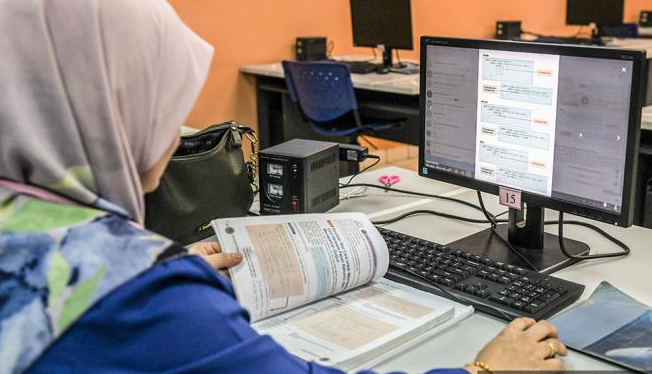
For schoolchildren, online learning has been a completely new experience. In fact, online teaching has also been a new experience for teachers.
It is a well-accepted fact that online learning is not half as effective as attending classes physically. Even during normal lessons, we have students who are often caught not being attentive. What then do you expect of online learning?
Coupled with the restricted interaction opportunities during online sessions, the ultimate outcome is markedly reduced in terms of effectiveness. Online learning among students of public schools is simply pathetic as many teachers resort to dishing out ill-prepared lessons, simply to fulfil a requirement.
On the other hand, being on a remote mode, many students take advantage of this greater “freedom” and this does not help in their learning process. Others simply find that remote learning does not interest them. The much reduced effectiveness of online learning is also the general view of both students and parents, and this begs the question, “Where do we go from here?”
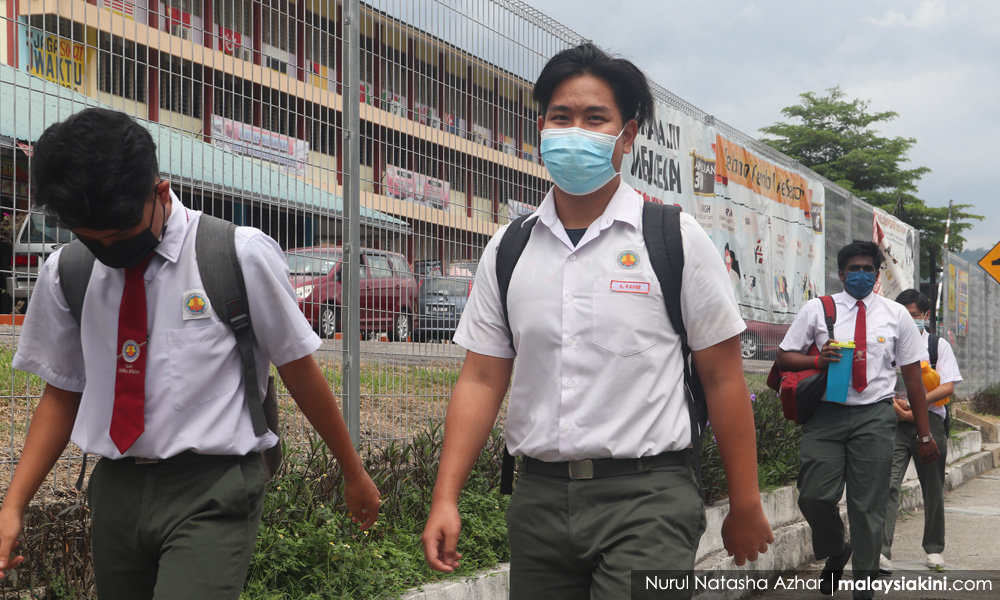
So far, we have heard of students advocating for the coming SPM exams to be scrapped as they feel that the lost schooling days have affected their learning and preparation for the exams.
As an educator, I would like to offer some suggestions. For this current SPM batch of students (due for SPM finals in November 2021), there is not much we can do to make up for the lost schooling days, and to be fair to them, some form of adjustments need to be put in place in order to offset the lost schooling days and yet ensuring that quality of learning is not greatly affected. Slapping them with the usual SPM exams in November without having compensated lost schooling days is rather unfair to them.
Instead of relying solely on the final SPM exam as the final assessment of the students’ performance, have bimonthly tests on all subjects (online format till students are able to attend school physically).
Starting from March, (March, May, July and September), students would have four such tests and these four tests would account for, say, 30 percent (or 40 percent) weightage of his final grade. Trial exams may be shelved.
To ensure quality and to avoid disparity, these tests should be state-based, and all questions should be as close to the actual SPM format and standard as possible. To achieve this, teachers are to be given standardised guidelines as to the topics to be tested every two months way ahead and this will put pressure on both teachers and students to take online lessons seriously.
In this manner, students’ performance and quality are assured and standardising topics and tests is an effective way of ensuring minimal disparity.
To ensure its success, the strategy calls for good coordination between the state education department, the district education office and schools. It is time the Education Ministry and the state education office took a more proactive role in circumventing the havoc created by the pandemic.
I am sure many schools are left to their own devices and this situation is far from satisfactory.
Source : Malaysiakini
Britain to test mixing and matching of COVID-19 vaccines
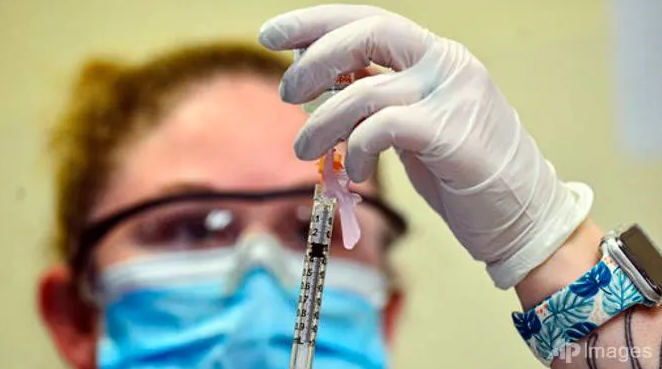
LONDON: British scientists are starting a study on Thursday (Feb 4) to find out if COVID-19 vaccines can be mixed and matched.
The vaccines being rolled out now require two doses, and people are supposed to get two shots of the same kind, weeks apart.
Guidelines in Britain and the US say the vaccines aren’t interchangeable, but can be mixed if the same kind isn’t available for the second dose or if it’s not known what was given for the first shot.
Participants in the government-funded study will get one shot of the AstraZeneca vaccine followed by a dose from Pfizer, or vice versa.
READ: Global vaccine trust rising, but France, Japan, others sceptical: Survey
“This study will give us greater insight into how we can use vaccines to stay on top of this nasty disease,” said Jonathan Van Tam, the UK’s deputy chief medical officer.
He said that given the challenges of immunising millions of people amid a global vaccine shortage, there would be advantages to having data that could support more “flexible” immunisation campaigns.
COVID-19 vaccines all train the body to recognise the coronavirus, mostly the spike protein that coats it.
The ones from AstraZeneca and Pfizer use different technologies. AstraZeneca’s uses a common cold virus to carry the spike gene into the body. Pfizer’s is made by putting a piece of genetic code called mRNA – the instructions for that spike protein – inside a little ball of fat.
The British research is scheduled to run 13 months and will also test different intervals between doses, four weeks and 12 weeks apart.
A study published this week on the Russian-made Sputnik V vaccine showed it was about 91 per cent effective in preventing COVID-19. Some immunologists credit the fact that the vaccine uses two slightly different shots, made with similar technology to AstraZeneca’s.
But the AstraZeneca and Pfizer vaccines are “so different that it’s really hard to know if that would work”, said Alexander Edwards, an associate professor in biomedical technology at Britain’s University of Reading.
READ: UK defends Oxford COVID-19 vaccine roll-out among all ages
Matthew Snape, the new study’s leader at Oxford University, which helped develop the AstraZeneca vaccine, called for British volunteers over age 50 to sign up; scientists are hoping to enroll more than 800 people.
If the vaccines can be used interchangeably, “this will greatly increase the flexibility of vaccine delivery,” he said in a statement. “(It) could provide clues as to how to increase the breadth of protection against new virus strains.”
In recent weeks, Britain, the European Union and numerous other countries have been hit with vaccine supply issues: AstraZeneca said it would dramatically reduce the expected number of doses it could deliver due to manufacturing delays and Pfizer also slowed deliveries while it upgraded its Belgian factory.
Source: AP/zl
Melbourne imposes new COVID-19 restrictions as Australian Open hotel worker tests positive

SYDNEY: Australia’s second-most populous city reintroduced COVID-19 restrictions from Thursday (Feb 4) after an Australian Open hotel quarantine worker tested positive for the coronavirus, sending more than 500 tennis players and officials into isolation.
Melbourne returned to mandatory masks indoors and a cap on gatherings to 15 people after the state’s run of 28 days of zero local infections came to an end.
Play at the six warm-up events for the Grand Slam at Melbourne Park, due to start Feb 8, was heavily disrupted with organisers Tennis Australia cancelling all matches for Thursday.
COMMENTARY: Australia hasn’t learnt its lesson from COVID-19 quarantine breaches
In a pleasing sign the outbreak will likely be contained as an initial round of tests carried after the Grand Hyatt worker contracted the coronavirus came back negative, Victoria state Premier Daniel Andrews told reporters.
The positive case was announced in a surprise late night press conference on Wednesday but will be reflected in Thursday’s tally.
The Grand Hyatt was one of three main quarantine hotels used by players and officials arriving in Melbourne for the Australian Open.
About 1,200 players, coaching staff and officials arrived in Australia at the middle of last month and went into a mandatory 14-day isolation. Most players were released from quarantine about two weeks ago.
In a press conference on Thursday, Andrews said the Australian Open was likely to go ahead though he added “there were no guarantees”.
“At this stage, the tennis shouldn’t be impacted by this. These things can change. Every Victorian knows these are uncertain time,” he said.
READ: Bushfire smoke blankets Perth under COVID-19 lockdown
Australia’s national cabinet is set to meet on Friday where lawmakers will discuss whether the hotel quarantine programme should be moved to regional areas after recent cases where the virus has escaped from a hotel into the community.
The country has reported more than 22,000 local COVID-19 cases and 909 deaths since March 2020. Australia has ranked among the top 10 in a COVID performance index for its successful handling of the pandemic.
The states of New South Wales and Queensland reported zero new cases, while Western Australia, which is in a five-day lockdown after one positive case was detected on Sunday, will report its numbers later in the day.
Source : channelnewsasia
US ‘deeply disturbed’ by reports of systematic rape of Muslims in China camps
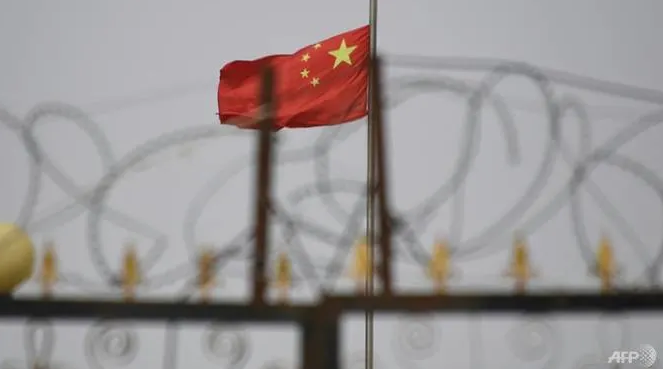
WASHINGTON: The United States is “deeply disturbed” by reports of systematic rape and sexual abuse against women in internment camps for ethnic Uighurs and other Muslims in China’s Xinjiang region and there must be serious consequences for atrocities committed there, the US State Department said on Wednesday (Feb 3).
A BBC report earlier on Wednesday said women in the camps were subject to rape, sexual abuse and torture. The British broadcaster said “several former detainees and a guard have told the BBC they experienced or saw evidence of an organised system of mass rape, sexual abuse and torture”.
READ: China dismisses Pompeo’s Uighur genocide claim as ‘outrageous lies’
Asked to comment, a State Department spokeswoman said: “We are deeply disturbed by reports, including first-hand testimony, of systematic rape and sexual abuse against women in internment camps for ethnic Uighurs and other Muslims in Xinjiang.”
The spokeswoman reiterated US charges that China has committed “crimes against humanity and genocide” in Xinjiang and added: “These atrocities shock the conscience and must be met with serious consequences.”
The official said China should allow “immediate and independent investigations by international observers” into the rape allegations “in addition to the other atrocities being committed in Xinjiang”.
Beijing denies accusations of abuse in Xinjiang, and has said the complexes it set up in the region provided vocational training to help stamp out Islamist extremism and separatism. Those in the facilities have since “graduated”, it says.
READ: Twitter locks account of China’s US embassy over Xinjiang-related tweet
Chinese Foreign Ministry spokesman Wang Wenbin said the BBC report was “wholly without factual basis” and charged that the people interviewed for it had been “proved multiple times” to be “actors disseminating false information”.
The administration of US President Joe Biden, which took office on Jan 20, has endorsed a determination made the previous day by the outgoing Trump administration that China has committed genocide in Xinjiang.
Last year, a report by a German researcher published by a Washington think tank accused China of using forced sterilisation, forced abortion and coercive family planning against minority Muslims.
Source: Reuters/zl
In pushing for climate policy, Louis Ng recognises need for trade-offs and to cushion impact on businesses
SINGAPORE: Following a marathon six-hour debate on a landmark motion in Parliament on Monday (Feb 1), MP Louis Ng (PAP-Nee Soon) arrived right on time for the recording of CNA’s podcast the next morning.
In his interview on The Climate Conversations with the Chief Editor of CNA Digital, Jaime Ho, he admitted to having had a tiring day, following speeches from 18 MPs who spoke on the motion aimed at accelerating and deepening Singapore’s efforts against climate change.
Mr Ng said Monday’s debate was a culmination of more than a year of conversations with key stakeholders. He cited businesses like ExxonMobil, Woodlands Transport, Changi Airport Group and BlueSG – many of which sit right at the heart of a transformative journey towards a green economy.
READ: Raising carbon tax, improving public sector’s sustainability standards among MPs’ proposals to tackle climate change
It was a line he repeated when asked about a theme that he raised during the debate – that of trade-offs in climate policy.
“We’re going to push hard for changes, but I think it’s crucial that we don’t push people away. And very importantly, we don’t push businesses away,’’ said Mr Ng during the podcast which was published on Wednesday.

SOME BUSINESSES WILL BE AFFECTED
Mr Ng said he recognises that strengthening Singapore’s climate change policies means “ultimately some businesses are going to be affected”. This is why he said, in preparing for the motion, he spoke to a wide range of people with different needs to find out what these trade-offs might be.
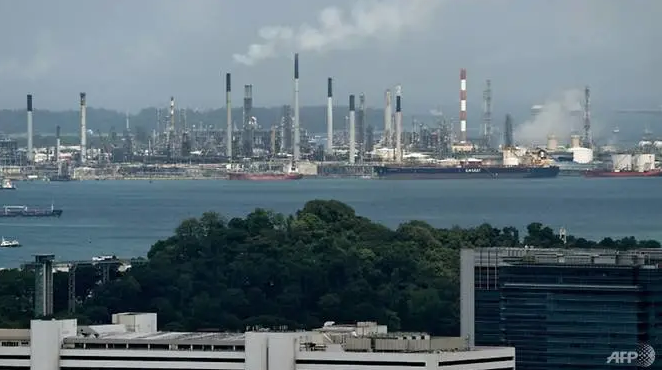
One group that will come under scrutiny is the energy and chemical sector: Jurong Island is home to some of the biggest oil majors of the world. Petrochemicals and refining contribute 75 per cent of industries’ share of Singapore’s greenhouse gases.
In the march towards decarbonisation, this industry could find itself in a particularly difficult transition with job losses and reduction in revenues.
Mr Ng was asked during the podcast how he envisions the energy and chemical sector’s role in an economy 20 or 30 years down the road.
“Well, my vision for them is to be green. It sounds crazy but we sort of did it where we got two extreme ends, the climate activists and ExxonMobil coming together to discuss this. About how they can green their operations, how they can focus on carbon capture … cleaner fossil fuel and natural gas … I think that’s possible. Again, if we can get everyone onto the table to discuss this, there is a way forward,’’ he said.
READ: Singapore to launch multi-ministry Green Plan to tackle climate change challenges
It is inevitable that some industries will scale down as the world decarbonises.
Mr Ng pointed to the plan for Singapore to phase out vehicles with internal combustion engines by 2040, and the fact that fossil fuel companies will simply have to evolve to meet this new reality.
“(But) it isn’t business and economy versus sustainability and climate change,” he added, pointing to the enormous green growth opportunities that are available for businesses to tap onto.
While businesses themselves work out how to minimise their own pain from this transformation, Mr Ng was clear they should not be left to deal with the impact themselves.
There is room for compromise and it means everyone can come to the table to discuss what these are, giving ideas on how to find solutions.
TRANSPARENCY AND CARBON TAX
He gave an example to illustrate why he thinks competing demands can meet in the middle. Climate activists he spoke to were quite adamant about “naming and shaming” top polluting companies.
Pushback came in arguments claiming that such data would be “business sensitive” and would affect business competitiveness.
When the two groups met during his consultations, a compromise was reached: Name the top carbon-emitting companies without giving “actual emission data”.
The same principle of compromise can be applied to another issue raised in Parliament on Monday – the desired point for Singapore’s carbon tax.
Several MPs raised the point that the current projected level of S$15 per tonne of greenhouse gas emissions by 2030 was too low especially when compared against the UN’s Intergovernmental Panel for Climate Change’s recommendation of at least USS$135 (S$179.76).
The current level for the tax is S$5 per tonne, with the Government having committed to reviewing this by 2023, with the view to increasing it to between S$10 and S$15 per tonne by 2030.
An increased tax will add to business cost, acknowledged Mr Ng.
So by way of cushioning this, the collected tax can then be pumped back into businesses to fund their greening efforts.
Commentary: Saving Dover Forest and the plight of the Singapore urban planner
“So it’s not just about collecting money, but also about giving back. And hopefully we are giving them back this revenue, the emissions will reduce, which is the ultimate goal of the carbon pricing act,’’ he said.

And if costs are passed to consumers, again, the Government can step in to provide incentives or vouchers, particularly for lower-income homes, to purchase more efficient appliances.
He added that with more research, awareness and time, Singapore could arrive at a price point that can be meaningful and sustainable to businesses too.
Asked about his personal takeaway watching the proceedings in Parliament, Mr Ng said he was “very glad” to see the wide range of suggestions – from how to implement a higher carbon tax to transparency and education.
“Now we have this whole pot of ideas that the Government can now go back, look into and then develop our policies and hopefully make some announcements during Budget and during the upcoming committee of supply debates as well.’’
Source : channelnewsasia
Workers from Malaysia, China resigned to spending Chinese New Year in Singapore amid COVID-19 travel restrictions

SINGAPORE: Chinese New Year is usually a time for Ms Chai Siow Yun to enjoy a good week with her children and take them for a short vacation in Genting Highlands.
But there’s no chance of doing that this year.
The 32-year-old Malaysian who works in Singapore as a hairdresser is stuck here amid COVID-19 travel restrictions. The last time she went back to Johor Bahru was in August last year to give birth. She returned to Singapore in November, leaving her newborn in her mother’s care.
Her husband Eric Yong, also a hairdresser in Singapore, has not seen his baby girl. He has not gone home since border restrictions were tightened on Mar 18 last year.
“We are hoping it will open soon so we can see the baby, otherwise she won’t recognise her dad and mum,” Ms Chai said in Mandarin. Before the pandemic, she and Mr Yong would go home every weekend.
Their two older children in Malaysia – aged one-and-a-half and nine – are always asking them over WhatsApp calls whether they can return home soon, and when that will be.
READ: Away from their families, Malaysians in Singapore brace themselves for a quiet Chinese New Year
“Very sian,” Ms Chai said of this lacklustre festive period, using a Hokkien term which means feeling weary.
“It’s just one bridge but it’s so hard to get home.”
Usually, she and her husband would look forward to spending quality time with their family, playing mahjong and visiting close friends.
This year, it will just be the two of them and their Malaysian housemate Guo Xue Mei, 32, who works with them at SES Studio, a hair salon in Bedok. They said they will probably go out to have dinner together with some friends.
Ms Guo is in Singapore alone while her son and husband are in Johor Bahru.
“My child will ask me when I can go back, and I tell him only when the virus disappears,” she said in Mandarin.
The trio are among the nearly one million Malaysians living and working in Singapore, according to 2019 data from the United Nations. Chinese New Year is usually a time when many of them would return to their home country, where more than a fifth of the population are ethnic Chinese.
This year, many of them would have to miss out on festivities back home.
Malaysian citizens who are long-term pass holders or Singapore permanent residents can apply to travel home under the Periodic Commuting Arrangement scheme, but they would have to serve a 14-day stay-home notice when they arrive in either country – a major deterrent to going back, those CNA spoke to said. They said they are disheartened by the situation, but know that there is no choice given the current circumstances.
READ: COVID-19: Malaysian business owners and trade groups urge against another full lockdown
The high number of COVID-19 cases in Malaysia – with four-digit daily increases since Dec 10 – is another reason why driver Tang Cheong Sow and his family think it is best he stays in Singapore for Chinese New Year, which falls on Feb 12 and 13 this year.
Mr Tang usually travels to and from Johor Bahru daily, but since March, he has been living with his colleagues in a rented flat in Singapore.
“At least in Singapore I can find a friend, and we can go out and eat,” said Mr Tan, a 63-year-old Singapore permanent resident. Usually, during Chinese New Year, he would return to his hometown in Perak state for 10 days, where most of his relatives live.
“In Malaysia right now we can only get takeaway and eat at home,” he told CNA in Mandarin.

Malaysia is currently under a movement control order, which bars social gatherings and dine-ins at restaurants. Up to two people per household are allowed to leave their home, and they can only travel within a 10km radius of their house.
READ: MCO extended in all Malaysian states except Sarawak until Feb 18: Senior minister Ismail Sabri
Ms Emmerie Wong, a research coordinator who has lived in Singapore for almost seven years and is married to a Singaporean, said she usually flies back to Kuala Lumpur on the third or fourth day of Chinese New Year to visit her relatives.
This year, she will have to offer her well-wishes virtually. She said she will probably invite some Malaysians who are living alone in Singapore over to her place so that they can have some festive activity to look forward to.
“It’s been a bit too long,” the 34-year-old said about not having seen her family since the beginning of last year. This Chinese New Year was also meant to be a special one, as she had just given birth to her son – her first child – in November. She wanted all her relatives to meet him. He is the first grandchild on the maternal side of the family, she said.
As the number of cases remains high in Malaysia, Ms Wong said she is also worried for her parents, who are both in their 60s. “You’re just not there if anything happens,” she added.
Chinese nationals in Singapore are also feeling down about missing out on family time this February. But with long quarantine periods – at least 14 days in China – and the Chinese government discouraging citizens from travelling home, all those who CNA spoke to said flying back is not worth the risk.
READ: China to test Chinese New Year travellers for COVID-19; Shanghai reports new cases
“Singapore still feels the safest. And at least we can work,” said Mr Sheng Chun Gang, 37. He is a packer for Foresight Metal Engineering, a construction materials supplier.
The company’s marketing manager Vivien Ngo said they might send some daily necessities and mini-hot pot machines to the flat that Mr Sheng shared with five others. The company usually celebrates by holding a buffet lunch at a hotel, but the plan has been scrapped.
WATCH: 6,000 migrant workers to get free rides on Singapore Flyer | Video
“Of course there is a sense of loss. But we have no choice,” said construction worker Yan Yinghui. The 42-year-old has been in Singapore for seven years. He used to go back to his hometown in Jiangsu province every Chinese New Year for a month to spend time with his wife, two children and his parents.
“This is going to be the most boring Chinese New Year ever,” Mr Yan said in Mandarin, adding that he will likely just have a meal with his dormitory mates.
Mr Yan’s colleague Weng Shiquan said even if he went home to China, there would not be much of a celebratory atmosphere.
Last year, the 47-year-old construction worker was mostly stuck at home in Anhui province for two months when he returned. The COVID-19 outbreak was worsening in China at the time and he avoided meeting family and friends.
“I’m okay,” Mr Weng said. “My company is trying its best to take care of us.”
Their company Chian Teck is running some programmes over the Chinese New Year period for its 700-odd workers, which include more than 300 Chinese nationals, said senior engineer Wu Yu Sheng. He is part of a six-member team at Chian Teck planning the company’s Chinese New Year programme.
On the eve of Chinese New Year, for example, they will get KFC meals and goodie bags containing either snacks from China or Indian sweets – depending on their nationality – delivered to the workers’ dormitories and rented flats, Mr Wu said.

The firm has also made arrangements with several restaurants so that the workers can have their meals there over the long weekend. Those living in dormitories will have their meals catered.
“We want to let them feel like they aren’t alone. We are a family. We will take care of them,” Mr Wu said.
Source :channelnewsasia
 English
 简体中文
简体中文 Bahasa Indonesia
 Bahasa Melayu