
Covid-19 (Feb 2): Fewer new cases but more in ICUs, record number of deaths
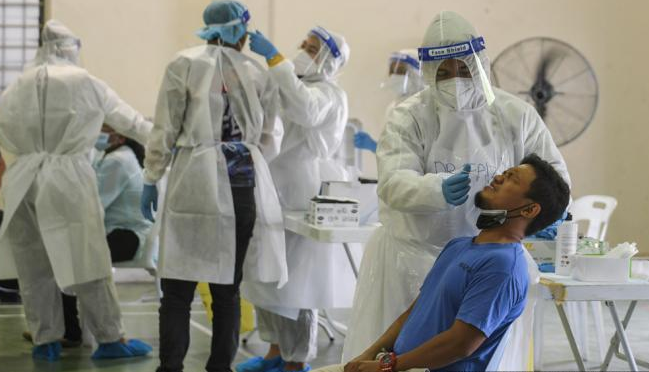
The Health Ministry today reported 3,455 new Covid-19 cases amid a record number of patients (327) requiring intensive care.
There was a record number of deaths (21) as well.
- Active cases: 47,847
- Patients in ICU: 327 (new record)
- Intubated: 145 (new record)
- RT-PCR tests*: N/A (Jan 21 – 48,728 tests processed, 76,255 capacity)
- Number of samples taken**: 19,697
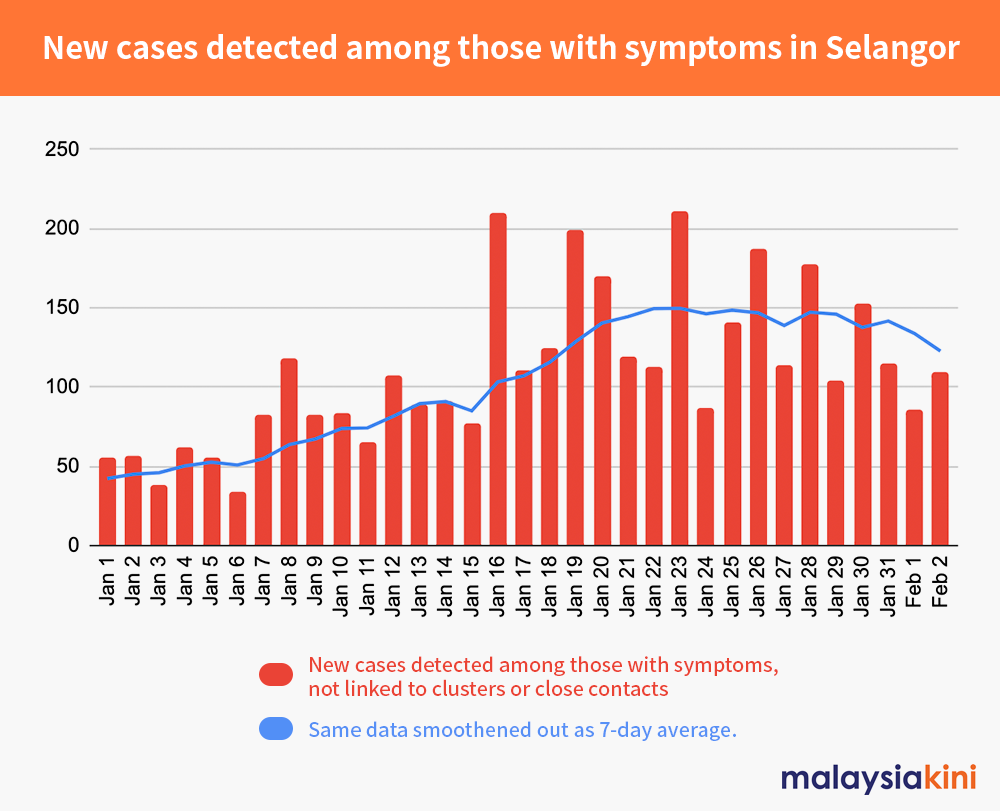
In Selangor, although the number of new cases remained in the four-digits for the sixth day, the number of cases detected among those who reported symptoms and not linked to clusters or close contacts appears to be on a slight downward trend (see chart below).
Those with symptoms are more likely to spread Covid-19 compared to those who are asymptomatic.
Half the new cases in Selangor were from close contacts while a quarter was from two new clusters – Jalan Ragum and Bukit Rahman.
In Kuala Lumpur, half of the new cases came from a single construction site cluster – Tapak Bina Jalan Cheras.
New cases by states, in brief:
Selangor (1,145)
Existing clusters: 46
New cluster(s): 252 (Jalan Ragum dan Bukit Rahman)
Close contacts: 565
Imported: 1
Other screenings: 281
Johor (708)
Existing clusters: 280
New cluster(s): 24 (Parit Jamil Darat)
Close contacts: 264
Imported: 1
Other screenings: 139
Kuala Lumpur (619)
Existing clusters: 74
New cluster(s): 332 (Tapak Bina Jalan Cheras)
Close contacts: 108
Imported: 3
Other screenings: 102
Sabah (276)
Existing clusters: 50
Close contacts: 172
Other screenings: 54
Sarawak (121)
Existing clusters: 36
Close contacts: 44
Other screenings: 41
Terengganu (115)
Existing clusters: 14
Close contacts: 20
Other screenings: 81
Penang (85)
Existing clusters: 14
Close contacts: 13
Other screenings: 58
Perak (84)
Existing clusters: 30
New cluster: 4 (Semarak Bersia)
Close contacts: 26
Other screenings: 24
Negeri Sembilan (79)
Existing clusters: 2
Close contacts: 28
Other screenings: 49
Pahang (63)
Existing clusters: 25
New cluster: 1 (Taman Muhibbah)
Close contacts: 26
Other screenings: 11
Malacca (62)
Existing clusters: 40
New clusters: 4 (Industri Serkam)
Close contacts: 11
Other screenings: 7
Kedah (59)
Existing clusters: 23
Close contacts: 20
Other screenings: 16
Kelantan (31)
Close contacts: 22
Other screenings: 9
Putrajaya (6)
Existing clusters: 1
Close contacts: 2
Other screenings: 3
Labuan (1)
Existing cluster: 1
Perlis (1)
Close contacts: 1
Deaths
The Klang Valley region accounted for 14 deaths. The youngest victim was 36 and the average age of all victims was 65. Details of the victims are on Malaysiakini Covid-19 tracker page.
This region accounts for 27.7 percent of Covid-19 deaths and the figure is climbing (see chart below).
It should be noted that the reported deaths may not have necessarily occurred over the 24-hour period ending noon today. https://e.infogram.com/c8a28e8e-d511-48c1-bc1b-3eec0f7c699a?parent_url=https%3A%2F%2Fwww.malaysiakini.com%2Fnews%2F561402&src=embed#async_embed
Clusters
The Health Ministry classified seven new clusters which mostly involved factories and construction sites.
There was one cluster involving a government office in Kuantan – Taman Muhibbah – and another involving a community – Semarak Bersia.
The Semarak Bersia cluster may not necessarily be linked to the government’s decision to put the nearby Felda Bersia under an enhanced movement control order (MCO).
Details of new clusters in brief:
Jalan Ragum cluster
District(s): Klang and Petaling, Selangor
Locality/Source: Factory in Jalan Ragum, Shah Alam
Cluster category: Workplace
First case: Jan 16, targeted screening
Total infected: 219 out of 542 screened
Bukit Rahman cluster
District(s): Kuala Selangor, Petaling and Gombak, Selangor
Locality/Source: Factory in Taman Perindustrian Bukit Rahman Putra, Sungai Buloh.
Cluster category: Workplace
First case: Jan 31, targeted screening
Total infected: 48 out of 2,800 screened
Parit Jamil Darat cluster
District(s): Muar, Johor
Locality/Source: Factory in Parit Jawa
Cluster category: Workplace
First case: Feb 1, targeted screening
Total infected: 26 out of 189 screened
Tapak Bina Jalan Cheras cluster
District(s): Cheras, Kuala Lumpur
Locality/Source: Construction site
Cluster category: Workplace
First case: Feb 2, targeted screening
Total infected: 332 out of 823 screened
Taman Muhibbah cluster
District(s): Temerloh and Kuantan, Pahang
Locality/Source: Government office, Kuantan
Cluster category: Workplace
First case: Jan 27, index case with symptoms
Total infected: 14 out of 47 screened
Industri Serkam cluster
District(s): Jasin and Melaka Tengah, Malacca
Locality/Source: Factory in Serkam
Cluster category: Workplace
First case: Jan 25, targeted screening
Total infected: 14 out of 47 screened
Semarak Bersia cluster
District(s): Hulu Perak, Perak
Locality/Source: Taman Semarak and Bersia, Gerik
Cluster category: Community
First case: Jan 21, close contact
Total infected: 19 out of 58 screened
Source : From Malaysiakini
Australia Hotel falls back to zero COVID-19 cases
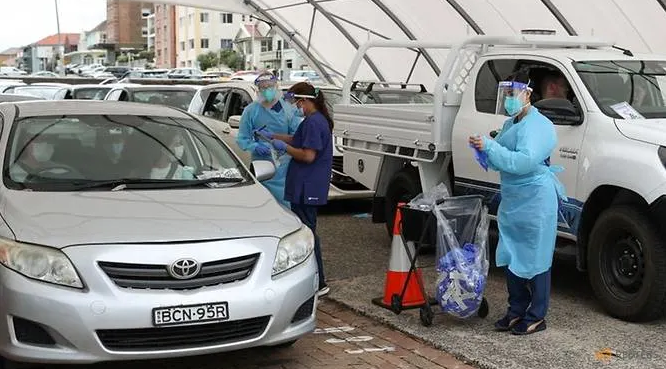
CANBERRA: Fears of a new cluster of COVID-19 cases in Australia eased on Tuesday (Feb 2), as the city of Perth maintained a strict lockdown and no new cases were detected across the country for a second day, Health Minister Greg Hunt said.
Australia ended two weeks without any local cases of the coronavirus on Sunday when a security guard working in hotel quarantine in the Western Australian state capital tested positive for COVID-19.
The city of more than 2 million was ordered into a five-day lockdown after the guard at a hotel used to house people returning from overseas was found to have the UK strain of the virus.
READ: Australia reopens New Zealand ‘travel bubble’ after no new COVID-19 cases
The unnamed man most likely contracted COVID-19 from a person who recently returned to the country, Western Australia state Premier Mark McGowan said on Tuesday.
“One of those recent arrivals was accommodated on the same floor as the security guard was working. We are advised that the guard did deliver medication to the door of this quarantine guest,” McGowan told reporters in Canberra.
McGowan said 101 close contacts of the security guard had so far tested negative for COVID-19. Another 50 people deemed close contacts were awaiting test results.
The vast, largely isolated state has been known in Australia for a hardline COVID-19 response that included keeping its border closed to the rest of the country until recently when it reopened to some regions.
Australia has managed to largely contain its novel epidemic – limiting cases to fewer than 29,000 and deaths to 909 – with the sort of decisive action seen in Perth, and tight border controls.
Source : From Malaysiakini
MCO 2.0 extended with stricter measures

The movement control order (MCO), which is set to expire on Feb 4, will be extended for another two weeks with the implementation of stricter measures, announced Senior Minister (Security Cluster) Ismail Sabri Yaakob today.
The next phase of the MCO will end on Feb 18. It will not affect most parts of Sarawak aside from several districts where MCO and enhanced MCO are imposed.
Details of stricter measures will be released in due time, said Ismail Sabri, who gave an example of imposing limits on the number of people entering supermarkets.
“For instance, people can enter supermarkets freely… This causes big crowds in supermarkets. We will go back to the old way. We will limit the number of patrons,” he added.
On the rules for the Lunar New Year celebrations on Feb 12, Ismail Sabri said it was still being drafted, noting that the event will take place during the MCO period.
He said the attorney-general was drafting new laws which would increase the fines for MCO violations. However, he added that a decision on whether to adopt the new laws have yet to be made.
He stressed that the current phase of the MCO was different from the one imposed last year because small businesses will be allowed to continue operating.
“Although there is some loosening of restrictions, I hope the people will continue to abide by the rules. Take care of yourself and your family,” Ismail said.
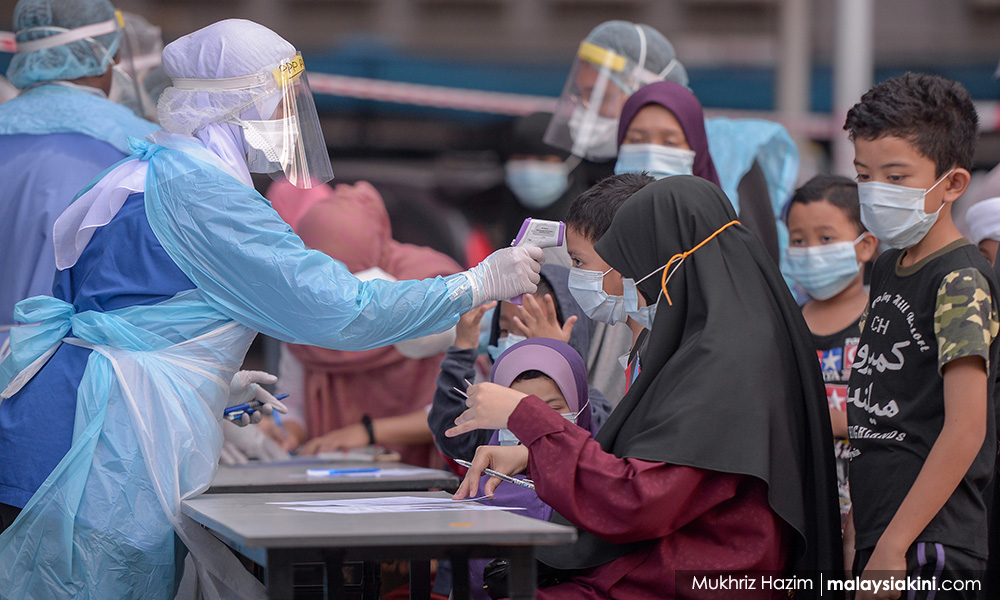
Last month, the government placed the entire nation – sans Sarawak – under MCO restrictions following the sharp increase in Covid-19 cases which led to Health director-general Dr Noor Hisham Abdullah warning that the public healthcare system was at the brink of collapse.
The Yang di-Pertuan Agong also assented to the government’s bid to declare a state of emergency to battle the virus.
However, cases have continued to rise under the second MCO, which is more relaxed compared to the total economic lockdown imposed last year as the government struggles to strike a balance between saving lives and livelihoods.
After cases breached the 5,000 mark for several days, Malaysia recorded 4,214 new cases yesterday, bringing the total number of active cases to 49,074.
The death toll from Covid-19 stands at 770.
Source : From Malaysiakini
Economic growth has ‘devastating cost to nature’, review finds
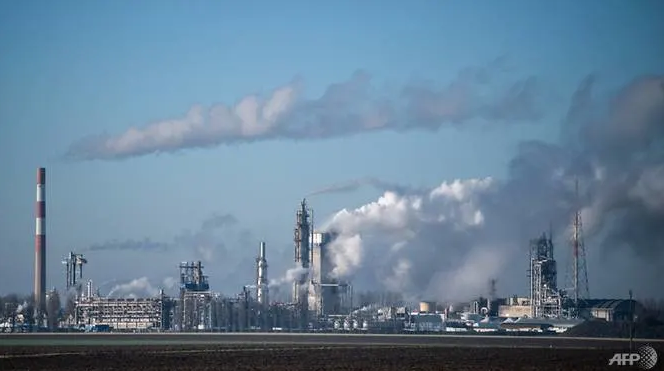
PARIS: Humanity’s unbridled growth in recent decades has come at a “devastating cost to nature” according a wide-ranging international review on the vital economic role played by our living planet.
The 600-page rundown of scientific material commissioned by the British government highlighted the precarious state of global biodiversity and warned that nothing short of a sea change in how countries power economic growth could prevent catastrophic impacts for nature, and humanity.
The Dasgupta Review – a two-year collaboration of hundreds of academics from around the world overseen by Partha Dasgupta, professor emeritus of economics at the University of Cambridge – said that all livelihoods depended on the health of the planet.
It showed that while global capital produced per person had doubled in the three decades since 1992, the stock of natural capital – that is, the quantifiable benefit an individual derives from services bestowed by nature – had plunged 40 per cent.
READ: Forests are needed to absorb carbon, but the overheating planet might soon flip a critical switch
“While humanity has prospered immensely in recent decades, the ways in which we have achieved such prosperity means that it has come at a devastating cost to nature,” the review said.
It called for a fundamental redressing of humanity’s demands and nature’s supply, warning that biodiversity is intricately linked with human wellbeing and health.
Some species are going extinct up to 1,000 times faster than the historical average, “undermining nature’s productivity, resilience and adaptability”, the review said.
“TOTALLY DEPENDENT”
It warned that catastrophes related to nature loss – including the COVID-19 pandemic which was driven by land-use changes and species exploitation – could prove to be “the tip of the iceberg” if development continued at its current rate.
READ: Earth is losing ice faster today than in the mid-1990s, study suggests
“We are totally dependent upon the natural world,” renowned naturalist David Attenborough wrote in a foreword to the review.
“It supplies us with every oxygen-laden breath we take and every mouthful of food we eat.
“But we are currently damaging it so profoundly that many of its natural systems are now on the verge of breakdown.”
The economic benefits of biodiversity had historically been missed from growth models, distorting the value of capital accumulation and leaving crucial conservation programmes chronically underfunded, said the review.
With an estimated US$4 trillion to US$6 trillion in funding each year going to unsustainable economic activities such as fossil fuel use and damaging farming techniques, governments “exacerbate the problem by paying people more to exploit nature than to protect it”, it added.
It called for a new way of defining economic wellbeing, one that takes nature’s services into account, to replace the traditional GDP model.
But it warned that choosing a more sustainable growth trajectory would require “transformative change, underpinned by levels of ambition, coordination and political will akin to, or even grater than, those of the Marshall Plan”.
RETHINKING ECONOMICS
Such a sustainable future would include a total decarbonisation of the global energy system, the review concluded.
More than that, properly managing Earth’s precious resources would involve people in richer nations changing consumption and wasteful habits, and better access to finance and education for women.
“Never before has it been so important to consider the economics of nature and the role biodiversity plays in supporting a healthy economy,” said Guy Poppy, professor of Ecology at the University of Southampton, who was not involved in the review.
“Two of the major challenges currently facing humankind – climate change and COVID – both illustrate the need to link economics with the environment and to rethink how we will become more prosperous and healthy in the future.”
The review pointed to two key summits in 2021 – the COP15 talks on biodiversity and the COP26 meeting on climate change – as opportunities to start to undo the damage humanity has inflicted on its only home.
“We and our descendants deserve nothing less,” it said.
Source: From channelnewsasia
Nation on autopilot, best to put Dzulkefly back in charge
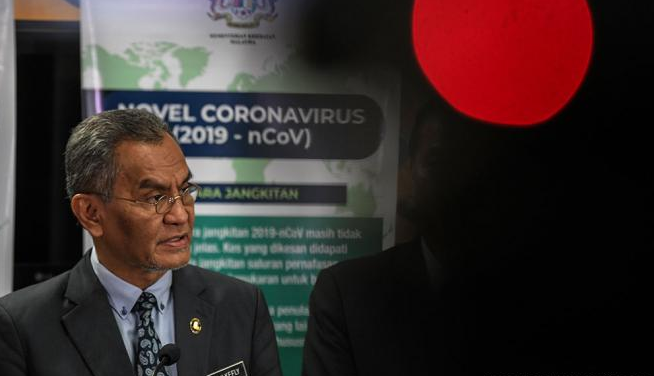
‘Under emergency, Agong should just appoint Dzulkefly to be health minister…’
Take charge or step down, Dzul tells health minister, deputies
P Ramlee: Former health ministry Dzulkefly Ahmad, we miss you and all the other highly qualified and capable Pakatan Harapan ministers.
How can we trust our current ministers when they don’t even know how to protect themselves and we are reporting more than 5,000 cases two weeks into the movement control order (MCO) and the emergency?
At this current autopilot way of management, Malaysia is doomed for a massive failure in both the public health and economic sectors.
Health Minister Adham Baba, his deputies Noor Azmi Ghazali and Aaron Ago Dagang, along with Prime Minister Muhyiddin Yassin, should be held accountable for the failure to stop the Covid-19 pandemic. Perhaps they should all resign and return power to Harapan.
Pegasus: I think Dzulkefly can do a much better job than the current incompetent health minister and his two deputies. If Harapan were to come back to power, the country will have a better chance of recovering because it has many smarter people to helm the government.
The prime minister himself isn’t doing much except handing out money. Our foreign direct investment is spiralling downwards, the economy is tanking, and people are jobless.
Perhaps the Yang di-Pertuan Agong should consider lifting the emergency so that Harapan will have a chance to make a comeback and fix the country before it spirals to the point of no return.
MokhtarAhmad: Under the emergency, the Agong should just appoint Dzulkefly to be the health minister. After all, His Majesty recently asked lawmakers to accept Budget 2021 irrespective of political allegiance.
So, on that same basis, Tuanku should also do what is best for the nation and the rakyat.
BluePanther4725: It’s not just Adham; the entire incompetent, backdoor Perikatan Nasional (PN) cabinet should resign now. This bunch of politicians have mismanaged our country, causing our economy to collapse and the pandemic to go out of control.
When these ‘traitors’ hijacked our country with the Sheraton Move, they didn’t expect to handle the pandemic crisis. All they wanted was to make a quick buck enriching themselves.
Now they found that the responsibility is beyond their capabilities, they still don’t want to let go until they destroy the country completely. The only thing that enables them to stay in power now is the emergency. We must get rid of them somehow.
Vasantha: Right on, Dzulkefly! It is likely the pandemic situation is not getting better as it seems nobody knows exactly who to refer to. Everyone is just pointing their fingers to somebody else.
I say this due to the experience of a friend of mine. She tested positive and was quarantined in a hotel on Jan 8 and only got her release letter on Jan 29 – 21 days later!
Fortunately for her and for Malaysia, her employer was careful enough to keep her in self-isolation.
There was not a single call from the Health Ministry to ensure the patient was in solitary confinement and calls to the ministry were not answered, emails had terribly delayed responses, and it was only on the 19th day that there was a clear reply to contact the Covid-19 Assessment Centre (CAC), for which you can never google the contact number!
I cannot understand why all the secrecy and why the need to send people on an endless wild goose chase. Can the ministry not have clear-cut standard operating procedures (SOPs) or reliable staff to give clear answers on the who, what and where?
I’m quite sure this would have been handled better by Dzulkefly and his team. Save Malaysia!
Ipoh Pp: Mr PM, open your eyes and keep your ear to the ground. Look at all the complaints about these three stooges – the health minister and his two deputies.
Mr PM, get more qualified people to lead the Health Ministry, especially now with the Covid-19 problem getting worse by the day.
How many more of us must die before you do the right thing? Your ministers haven’t a clue in the world. Please co-op personnel even if it means they are from the opposition. It’s a life and death situation, Mr PM. Please!
OrangePony5652: The health minister and his two deputies are riding on the pandemic waves in silence, collecting their fat monthly salaries. They have not taken ownership of the ministry because all three are incompetent.
The overworked Health Ministry director-general Dr Noor Hisham Abdullah has finally admitted that he is “just a messenger.”
There is certainly no necessity for the health minister and his two deputies, and the savings made from their salaries and allowances can be re-channelled to the frontliners who have been working their butts off since the outbreak.
Rupert16: The backdoor PM can afford RM35 million to build three community halls in his constituency of Pagoh as a priority, but he has no priority in having enough personal protective equipment (PPE) for hospital staff.
PPE shortage is currently happening and will only get worse. What a disgrace.
PinkCougar9549: Muhyiddin spent all the government money he could lay his hands on to build a nice and fatherly image as PM but fell truly short of a good strategy to lead the country out of this pandemic situation.
Now, many SMEs (small and medium-sized enterprises) have bled dry, are desperate, and the eventual decision will be to close down and terminate all employees. This has started and will be worse soon.
The goal of a 95 percent Malay cabinet is only nice to look at for a race extremist like Muhyiddin. You destroyed the country simply because you can’t lead effectively and have a bunch of useless cabinet members.
If the B40 (bottom 40 percent) Malays don’t wake up and reject all corrupted Malay leaders, we must prepare for a lot more suffering to come.
SME owners can close down, retrench all their employees, and live for years on their accumulated wealth. However, unemployed Malays can’t sustain long with no income.
Source : From Malaysiakini
Addressing mRNA vaccine safety and efficacy concerns
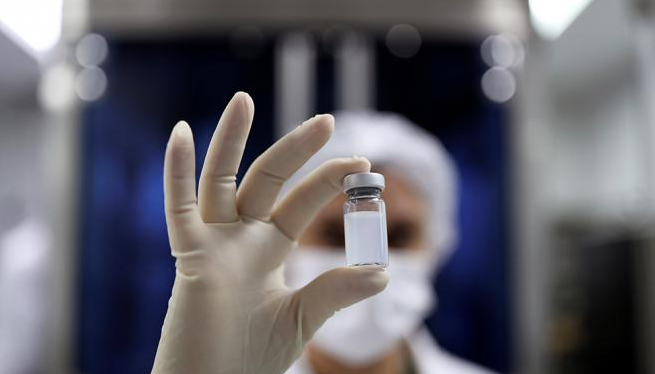
There have been a number of concerns highlighted about the messenger RNA (mRNA) vaccine over the last few weeks. As young Malaysian scientists, we would like to delve into the science or technology behind the mRNA vaccines in the hope that it would provide the people with a more wholesome understanding of the technology.
Like the general population, the scientific community was caught off guard by the sudden appearance of the Covid-19 virus. Among other initiatives, there was an urgent need for scientists to try to develop a vaccine that would stop the spread of the virus.
Although the Covid-19 pandemic is unprecedented, scientists and global public health experts have been preparing for large-scale outbreaks since the 1990s.
The coronaviruses that caused the previous Sars and Mers epidemics (and now the Covid-19 pandemic) are among harmful viruses and bacteria that have made the priority list in the 2016 World Health Organisation (WHO) R&D Blueprint for Action to Prevent Epidemics, found here.
Scientists have been researching various new technologies to enable rapid production of effective vaccines against such harmful virus and bacteria. The mRNA has been studied for a long time in the laboratory and clinical settings and the Covid-19 mRNA vaccines that were approved were built on these scientific advancements.
It is for this reason, along with the dedicated public and private funding for Covid-19 research, that these vaccines were developed rapidly to combat the Covid-19 pandemic. (Click here for the history of the mRNA vaccine.)
The mRNA vaccines use molecules called mRNA that contain information to instruct the cells in our body to produce a small fraction of the virus that will then trigger an immune response. This allows the vaccinated person’s immune system to defend itself against natural Covid-19 infection.
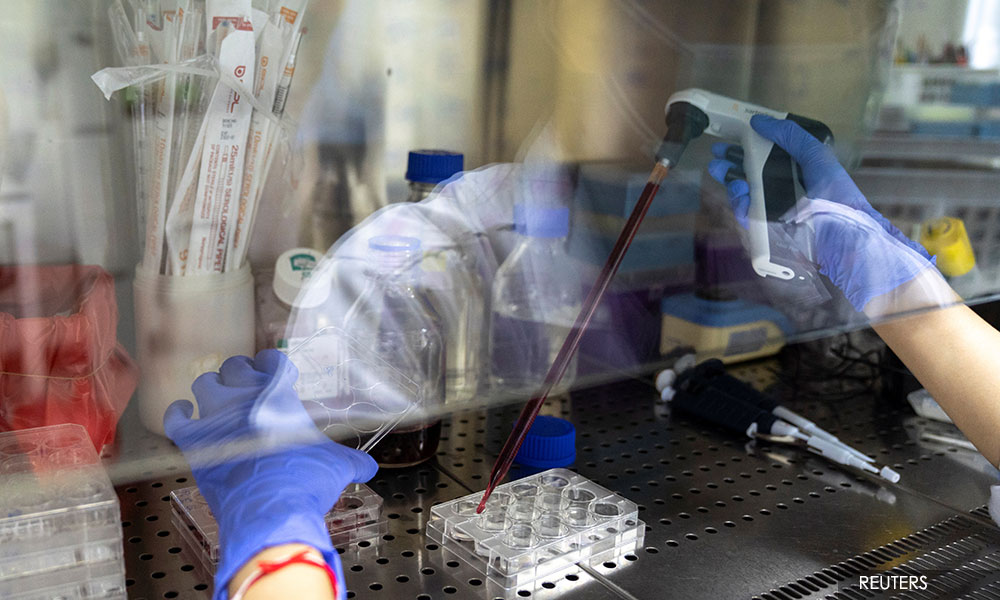
Unlike traditional vaccines, the Covid-19 mRNA vaccines are formulated without using any actual Covid-19 virus – live or attenuated – which attests to the safety aspect of the vaccine as the mRNA vaccine itself will not cause Covid-19 infection.
In addition, as no live sample of the Covid-19 virus was used during the manufacturing of these mRNA vaccines, there is no risk of virus contamination in these vaccines.
In December 2020, two Covid-19 vaccines were approved by the US Food and Drug Agency (FDA). As soon as these mRNA vaccines were approved, many people were concerned about the safety and efficacy of these vaccines.
While these concerns are genuine, there is a need to address several misconceptions underlying some of these concerns, with clear scientific facts and information.
A vaccine usually takes years to be developed
Many articles that are available to the public have already addressed the scientific basis of these mRNA vaccines. We would like to highlight a few issues and hopefully, bring more clarity.
A vaccine usually takes years to be developed. However, due to the urgency of the pandemic, a massive amount of resources was put in globally – both in terms of human capital and funding, and the Covid-19 mRNA vaccines have been made a priority internationally to speed up the clearance for clinical trials.
The availability of advanced high-end technologies such as computer simulation has also contributed to the expedited development of Covid-19 mRNA vaccines.
The Covid-19 mRNA vaccines have gone through rigorous laboratory and animal testing followed by a comprehensive human clinical trial. To ensure the safety and efficacy of the vaccine, these trials involved up to 10 times the usual number of clinical trial participants, recruited from people of diverse ages and ethnicities.
To read about the clinical trials, and the breakdown of its volunteers, click here and here. There have also been numerous research efforts – both ongoing and completed – on mRNA vaccines that are conducted by scientists globally.
Despite the speed, the development process for these vaccines has followed the stringent safety standards that have been set by global regulatory bodies and were approved at each level of clinical trial phases.
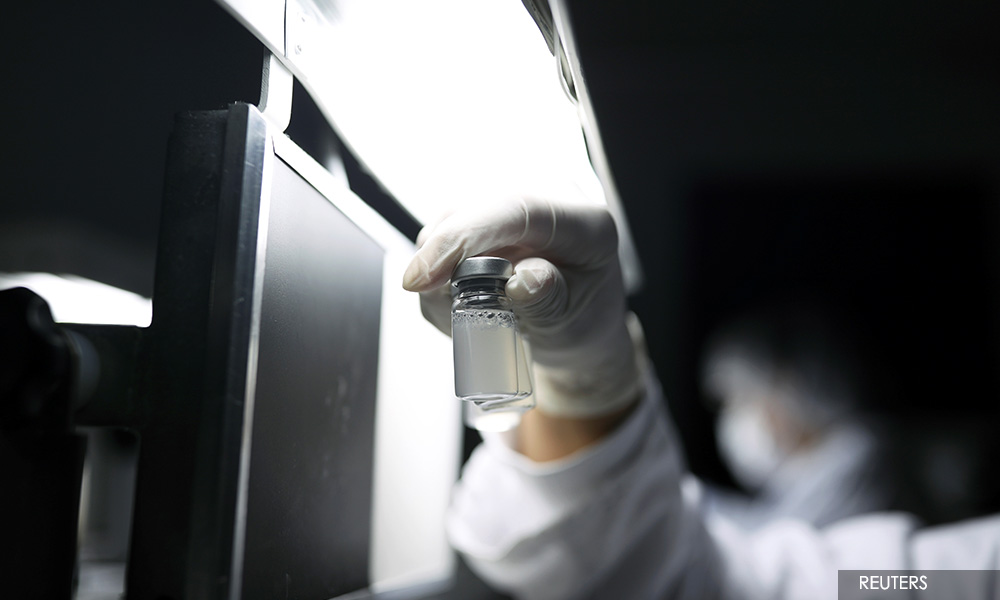
The side effects of vaccination, whether with traditional vaccines or mRNA vaccines, have been documented in-depth and can be found online. The side effects of Covid-19 mRNA vaccines have also been transparently reported by the vaccine manufacturers.
It is known that some people who received these mRNA vaccines commonly experienced soreness, swollen arms, or fevers and chills. However, these side effects are not long-term, they are not dangerous, and they have been documented to have disappeared in due time.
With respect to the high-profile cases of deaths and more serious side effects, reportedly after taking the Pfizer mRNA vaccine, there are explanations for most of the cases, which indicate that they are not related to the vaccination. Click here, here and here to read the explanations.
There has also been a concern on the efficacy of these Covid-19 vaccines, whether it is the live or attenuated vaccines or mRNA vaccines, against newer variants circulating globally.
However, recent studies have shown that the mRNA vaccines will remain effective to protect against different Covid-19 variants because the vaccines were designed to target a part of the virus that is less susceptible to genetic changes.
Also, the mRNA vaccines and vaccines made using live or weakened virus are designed to trigger a more complex and broader immune response to confer protection against the virus in different ways. Therefore, the vaccines will still be able to trigger our immune system to fight against any mutated or newer variants of the virus.
Concurrently, scientists continue to closely monitor the appearance of new variants while actively researching and preparing to produce a newer vaccine against potential variants, should the current list of vaccines be found ineffective in the future.
The safety and efficacy of Covid-19 vaccines are at the heart of every regulatory process and this process cannot be compromised in order to ensure that the long-term health of citizens of a country remains optimal.
In Malaysia, the Special Committee on Covid-19 Vaccine Supply Access Guarantee has acquired the Pfizer vaccine (which currently has the highest reported efficacy) as part of a portfolio of vaccines for use by Malaysians.
This portfolio will also include the AstraZeneca, Gamaleya, Sinovac and CanSino vaccines (depending on National Pharmaceutical Regulatory Agency approval).
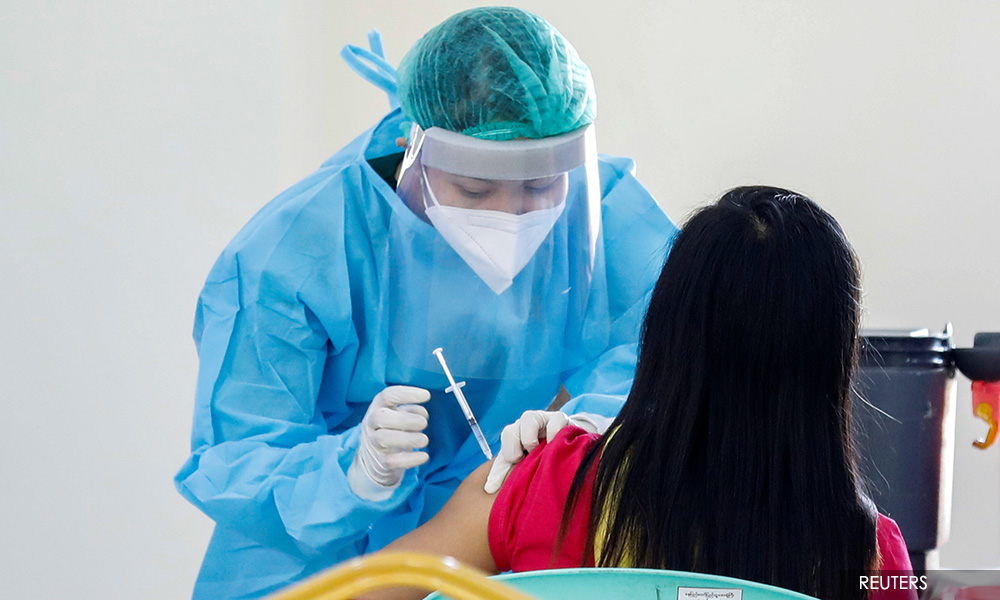
The National Pharmaceutical Regulatory Agency (NPRA), which has been a WHO Collaborating Centre for Regulatory Control of Pharmaceuticals since 1996, recently reviewed the scientific documents submitted by Pfizer and found that it met the international and national safety and efficacy requirements.
Our battle against Covid-19 is ultimately a shared one, and our goal remains the same – to protect lives and livelihoods. The public’s concern about the safety and efficacy of Covid-19 vaccines should be taken seriously and addressed with scientific truth if we want to win this battle.
As scientists, we have shared some of the facts here, but more data surrounding the science behind the mRNA vaccine technology can be found online. We hope that everyone will arm themselves with information from trustworthy resources.
We hope that this response, highlighting the scientific evidence, can reassure everyone that all stakeholders, including the scientific community, have gone beyond the norm in committing to extreme precautions and care in evaluating and ensuring the efficacy and safety of the Covid-19 mRNA vaccines.
As scientists, ensuring that public health is protected through the use of safe and effective vaccines are among the core purpose and primary motivations behind the development of any vaccines.
We also hope that the public will trust the scientific evidence in the midst of this public health crisis. We cannot stress enough that a successful Covid-19 vaccination programme is vital in our quest towards enjoying a pre-Covid-19 quality of life.
We can protect our loved ones better when we protect ourselves. We hope that adherence to public health precautions will still be part and parcel of life, even post-vaccination, until we achieve herd immunity.
Source : From Malaysiakini
Merkel defends ‘slower’ EU COVID-19 vaccine rollout
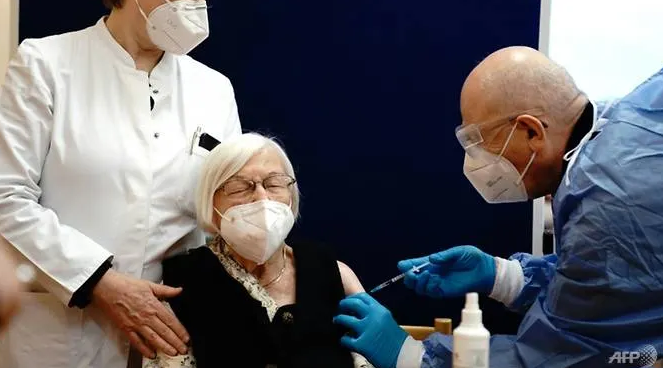
German Chancellor Angela Merkel on Monday (Feb 1) defended the European Union’s troubled vaccine drive, saying there were “good reasons” the rollout had got off to a slower start than in some other countries.
Speaking after a vaccine “summit” that brought together key players, Merkel renewed a promise to offer every German citizen a vaccine by the end of September.
Merkel had convened the online talks in response to growing anger in the 27-member bloc over the sluggish rollout of COVID-19 jabs, which has been beset with delivery delays and piled political pressure on EU leaders.
“It is true that in some areas, the pace became slower, but there were good reasons for it to be slower,” Merkel told reporters in Berlin.
Merkel, the leader of Europe’s largest economy, acknowledged that the United States, Israel and Britain were further along with their inoculations.
But she said the EU had deliberately avoided rushed emergency approvals, as seen in the UK, to bolster public “confidence” in the jabs.
The EU had also at times negotiated “for a very long time” to ensure pharma companies took on enough liability, she said.
And the bloc chose not to sacrifice data protection, Merkel added, in a nod to Israel’s deal with Pfizer/BioNTech to offer data on its inoculation campaign in exchange for doses.
READ: EU’s Von Der Leyen says Astrazeneca will deliver 9 million more COVID-19 vaccine doses
READ: EU approves AstraZeneca COVID-19 jab as WHO warns against ‘vaccine nationalism’
German media has been scathing about the EU’s troubled vaccine drive, with the topselling Bild daily calling it a “disaster”.
European Commission chief Ursula von der Leyen, a former German defence minister, has come in for particular criticism.
A European source said Monday that Berlin was putting “tremendous” pressure on the Commission to improve the vaccine rollout, adding that von der Leyen’s position had been “severely weakened”.
Von der Leyen did not join Merkel’s meeting with top German politicians, but the EU commissioners for health and the internal market did.
A string of vaccine makers also took part, including Pfizer, BioNTech, AstraZeneca, Moderna, Johnson & Johnson and CureVac.
“The months ahead will be challenging. We must all continue working together in solidarity to find solutions,” said Health Commissioner Stella Kyriakides.
READ: Macron: AstraZeneca COVID-19 vaccine ‘quasi-ineffective’ for over-65s
FRESH PLEDGES FOR DELIVERIES
There was some good news from pharmaceutical companies in the run-up to Merkel’s conference, with new pledges for quicker deliveries.
BioNTech and Pfizer, whose vaccine was the first to be approved in the West, promised to send up to 75 million extra doses to the bloc in the spring thanks to progress at key manufacturing sites.
On Sunday, von der Leyen said that AstraZeneca would finally deliver 40 million doses in total in the first quarter – nine million doses or 30 percent more than it had previously said it could.
An EU source said the first deliveries would start in the second week of February.
According to a German health ministry document shared at the summit, Johnson & Johnson is expected to seek EU approval for its COVID-19 jab in late February.
German biotech firm CureVac and US company Novavax, whose vaccines are still undergoing large-scale trials, are tipped to follow suit in May, the document showed.
Merkel reiterated that supply would remain tight for the first three months of 2021 but the pace would pick up quickly once production capacities are enlarged and more vaccines are approved.
“Our pledge that we will be able to offer a vaccine to every citizen by the end of the third quarter … still stands,” she said, adding that she understood “the disappointment” of those who had hoped to be inoculated sooner.
READ: France’s Sanofi to make COVID-19 vaccines from rival Pfizer-BioNTech
ELECTION YEAR
Like other EU leaders, Merkel has come under fire for the decision to pursue an EU-wide rather than a national strategy on inoculations.
She has said a go-it-alone drive would have inflated prices, left pockets of the continent more vulnerable to the pandemic and poisoned political unity in the bloc.
The German debate has been supercharged by the start of a general election year to choose a successor to Merkel, who has led the country since 2005.
The Social Democrats (SPD), junior partners in Merkel’s loveless “grand coalition” government, at the weekend demanded she produce a “roadmap” toward the September vaccinations goal.
Source: From channelnewsasia
UK detects South African COVID-19 variant in people with no travel links
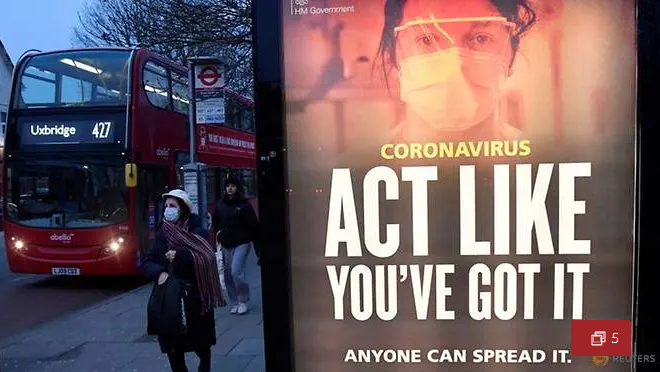
LONDON: Eleven people in different regions of England have tested positive for the South African coronavirus variant without having any links to people who have travelled, prompting mass testing in the areas to contain the outbreak.
Britain, with the fifth-highest COVID-19 death toll in the world, has moved to tighten its borders out of concern that new variants of the virus will undermine its vaccination drive.
To contain the new outbreaks, residents in eight areas of the country will now be tested whether or not they are showing any symptoms, a process known as “surge testing”.
There are about 10,000 people in each area. Three are in London, two in the southeast, one in central England, one in the east and another in the northwest.
The government said on Monday (Feb 1) the 11 cases were self-isolating and contact tracing would help to halt the spread.
READ: UK trains volunteer vaccine army in COVID-19 inoculation race
READ: Britain’s Captain Tom hospitalised after testing positive for COVID-19
Positive tests in the areas will be sequenced to identify any further spread of the South African variant, the government statement said.
All viruses mutate, and scientists have identified several variants of the coronavirus found to be more transmissible than the original strain.
Their emergence has raised questions over whether vaccines will prove as effective in containing them.
Britain said on Jan. 24 it had detected 77 cases of the South African variant and nine cases of the Brazilian variant, but said all were linked to travel.
In total, Public Health England said it had now identified 105 cases of the South African variant since Dec 22.
Scientists have said the South African variant appears to be more transmissible, but there is no evidence it causes more severe disease. But several laboratory studies have found that it reduces vaccine and antibody therapy efficacy.
READ: Pfizer-BioNTech say COVID-19 vaccine works against UK, South Africa virus mutations
READ: Johnson & Johnson’s COVID-19 vaccine is 72% effective in the US, 66% in global trial
Simon Clarke, associate professor in cellular microbiology at the University of Reading, said there was emerging evidence to suggest the variant was less susceptible to immunity induced by the current crop of vaccines.
“The discovery of a handful of cases with no links to travel to Africa, indicates that it might be more widespread in the community than previously thought,” he said.
“This spread, even if small in scale, needs to be brought under control quickly, so Public Health England’s house-to-house checks, and intensive testing are the right thing to do.”
Britain is battling a new wave of COVID-19 turbo-charged by the emergence in September of a more transmittable variant found in the southeast of England. The country’s official death toll passed 100,000 last week.
Britain is however making rapid progress in its vaccination programme, with nearly 9 million people receiving the first shot of either the Pfizer-BioNTech or the Oxford-AstraZeneca shot.
Source : From Malaysiakini
Russian prosecutors seek Navalny jail term as Kremlin tells US to back off
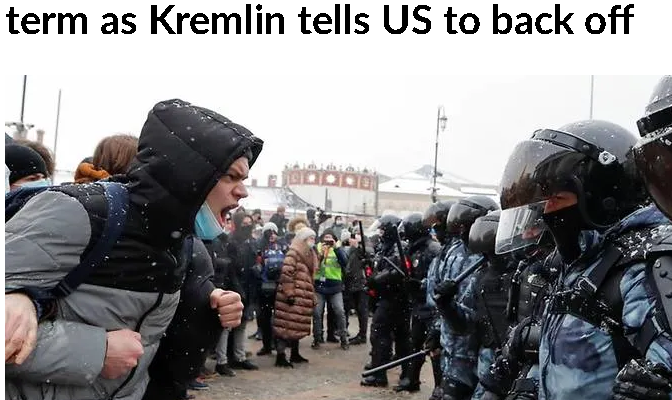
MOSCOW: Russian state prosecutors said they would ask a court on Tuesday (Feb 2) to jail opposition politician Alexei Navalny for up to three and a half years, and the Kremlin said it would not listen to US complaints about his case.
Riot police detained more than 5,300 people who took part in protests across Russia on Sunday calling for the release of Navalny, a prominent critic of President Vladimir Putin who was detained last month on his return from Germany.
The political unrest is a headache for Putin, 68, who has dominated Russian politics for over two decades. The case has set off new talk of Western sanctions on Russia and raised tension as US President Joe Biden launches his administration.
Sunday’s rallies prompted US Secretary of State Antony Blinken to condemn what he said was the persistent use of harsh tactics against peaceful protesters and journalists, and to call for Navalny’s release.
READ: More than 5,000 arrested as Russians rally to demand Alexei Navalny’s release
The Kremlin said Moscow would ignore Blinken’s comments about what it said were illegal protests inside Russia and warned against Washington imposing any new sanctions.
“…We are not prepared to accept or heed American statements about this,” Kremlin spokesman Dmitry Peskov said.
A court on Tuesday is set to consider a request from Moscow’s prison service to hand Navalny a jail term of up to three and a half years for alleged parole violations which he calls trumped up.
The Prosecutor General’s office said on Monday that the request was legal and justified, and that state prosecutors would ask a court to grant the prison service’s request.
READ: Biden, in first call with Putin, presses on Navalny, treaty
KREMLIN HITS BACK
Navalny, 44, is serving a 30-day stint in jail after being immediately arrested upon arrival back in Russia after having treatment in Germany following a nerve agent attack in Russia.
He says Putin ordered the attack, something the Kremlin denies.
Navalny ally Vladimir Ashurkov published a letter addressed to Biden on Saturday appealing for sanctions against businessmen and officials identified as being close Putin allies.
The Kremlin hit back on Monday, saying the move showed Navalny’s Anti-corruption Foundation was acting as a “foreign agent”, a designation formally given to the group in 2019 under a law that civil society workers in Russia say is often used to harass critics.
READ: Navalny defiant as Russian court rejects his bid for freedom
READ: Kremlin foe Navalny’s brother, allies put under house arrest ahead of protests
Peskov, the Kremlin spokesman, also said a large number of “hooligans and provocateurs” had been present at Sunday’s nationwide rallies and accused them of acting aggressively towards the police.
“There can be no conversation with hooligans and provocateurs, the law should be applied with the utmost severity,” Peskov told reporters.
Pavel Chikov, a lawyer and rights advocate, said police had opened 40 criminal cases in 18 different regions related to the two weekends of protests. The OVD-Info protest monitor said at least 82 journalists were detained at Sunday’s rally.
Navalny’s allies have called on supporters to gather outside the Moscow court on Tuesday during his hearing.
A court placed his spokeswoman, Kira Yarmysh, under house arrest until March on suspicion of breaching COVID-19 regulations at unsanctioned rallies on Jan. 23. Several others, including Navalny’s brother Oleg, are already under house arrest.
Source: From channelnewsasia
 English
 简体中文
简体中文 Bahasa Indonesia
 Bahasa Melayu