
Covid-19 (March 19) – 1,576 new cases, record high in Sarawak
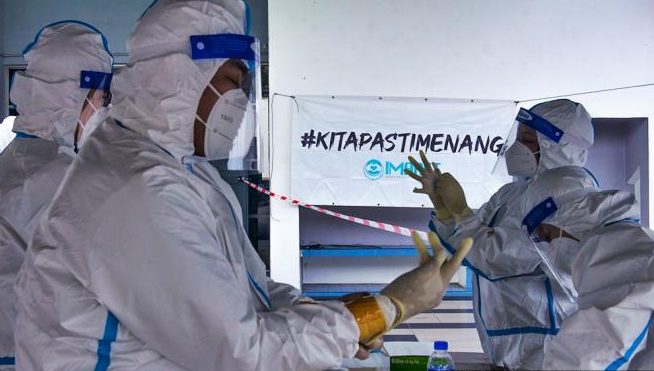
The Health Ministry today reported 1,576 new Covid-19 cases in the country as well as two new deaths attributed to the disease.
Sarawak recorded the highest number of cases in the country with 407 cases which is also a record high for the state.
Prior to this, the highest number of cases recorded in the state was 361 cases on March 4.
A large portion of the Sarawak cases is attributed to the Semuja Immigration Depot cluster that was first detected in Serian yesterday. There were 146 new cases in the cluster today.
In addition, two new clusters involving immigration detention facilities were detected in Penang and in Kuala Lumpur.
Overall, clusters involving detention facilities accounted for 298 (18.9 percent) of today’s national figures.
Meanwhile, Selangor recorded the second-most number of cases at 348 followed by Penang at 182.
Malaysia’s cumulative total of Covid-19 cases has now reached 330,042.
- Active cases: 14,360
- Patients in ICUs: 151
- Intubated: 57
Deaths
Both deaths reported today involved Malaysian citizens – one in Kuala Lumpur, and the other in Sarawak.
The 55-year-old deceased male in Sarawak had no history of chronic illness.
The deaths bring Malaysia’s Covid-19 death toll to 1,225.
Details of the victims are on Malaysiakini‘s Covid-19 tracker page.https://e.infogram.com/c8a28e8e-d511-48c1-bc1b-3eec0f7c699a?parent_url=https%3A%2F%2Fwww.malaysiakini.com%2Fnews%2F567281&src=embed#async_embed
Clusters
The Health Ministry is currently tracking 427 active clusters including 64 that recorded new cases today.
Twelve of these clusters are newly identified while, on the other hand, the ministry has ceased monitoring 13 clusters that have not recorded any new cases for 28 consecutive days.
Ten of the new clusters involve workplaces, half of which were only detected after the index case developed symptoms. Meanwhile, the other two new clusters are detention centre clusters.
The cluster with the highest number of new cases today is the Semuja Immigration Depot cluster in Serian, Sarawak, which recorded 146 new cases for a total of 245 cases.
This is followed by the 94 cases recorded by the Jalan Pelabuhan cluster in Perak (756 total cases) and the 89 cases in the Juru Immigration Depot cluster in Penang (167 total cases).
Details of the new clusters are as follows:
Sungai Berumbung cluster
District(s): Kluang, Johor
Locality/Source: Supermarket near Sungai Berumbung, Simpang Renggam, Kluang
Cluster category: Workplace
First case: Feb 25, index case with symptoms
Total infected: 13 out of 27 screened
Lorong Usaha Utama cluster
District(s): Kulai and Johor Bahru, Johor
Locality/Source: Factory at Lorong Usaha Utama, Taman Perindustrian Ulu Choh, Pekan Nenas, Kulai
Cluster category: Workplace
First case: March 16, contact tracing
Total infected: 7 out of 36 screened
Jalan Dahlia 22 cluster
District(s): Johor Bahru, Johor
Locality/Source: Educational centre at Jalan Dahlia 22, Taman Cempaka, Johor Bahru
Cluster category: Workplace
First case: March 17, index case with symptoms
Total infected: 13 out of 421 screened
Jalan Industri Sofa cluster
District(s): Tangkak, Johor
Locality/Source: Furniture factory at Tangkak
Cluster category: Workplace
First case: March 18, targeted screening
Total infected: A out of B screened
Jalan Besar Kepong cluster
District(s): Kepong, Kuala Lumpur
Locality/Source: Factory at Jalan Besar Kepong
Cluster category: Workplace
First case: March 18, index case with symptoms
Total infected: 17 out of 38 screened
Jalan Daun cluster
District(s): Kepong, WP Kuala Lumpur; Gombak and Petaling, Selangor
Locality/Source: Jalan Daun Inai 7, Kepong
Cluster category: Workplace
First case: March 13, index case with symptoms
Total infected: 8 out of 61 screened
Lorong Nibong cluster
District(s): Titiwangsa and Cheras, Kuala Lumpur
Locality/Source: Supermarket at Lorong Nibong, Taman U-Thant, Titiwangsa
Cluster category: Workplace
First case: March 19, index case with symptoms
Total infected: 21 out of 43 screened
Tapak Bina Persiaran Cybersouth cluster
District(s): Sepang, Selangor
Locality/Source: Construction site at Cybersouth, Sepang
Cluster category: Workplace
First case: March 17, targeted screening
Total infected: 10 out of 17 screened
Persiaran Hemisfera cluster
District(s): Petaling and Klang, Selangor
Locality/Source: Factory at Persiaran Hemisfera, Shah Alam
Cluster category: Workplace
First case: Feb 22, targeted screening
Total infected: 13 out of 119 screened
Bandar Baru cluster
District(s): Petaling and Hulu Selangor, Selangor
Locality/Source: Factory at Bandar Baru Sungai Buloh, Petaling
Cluster category: Workplace
First case: Feb 28, targeted screening
Total infected: A out of B screened
DTI Juru cluster
District(s): Seberang Perai Tengah, Penang
Locality/Source: Juru Immigration Detention Centre, Simpang Ampat, Seberang Perai Tengah
Cluster category: Detention centre
First case: March 9, targeted screening
Total infected: 167 out of 393 screened
DTI Jalan Duta cluster
District(s): Kepong, Kuala Lumpur
Locality/Source: Jalan Duta Immigration Detention Depot, Kepong
Cluster category: Detention centre
First case: March 17, pre-deportation screening
Total infected: 18 out of 68 screenedhttps://newslab.malaysiakini.com/covid-19/embed/en/states-chart
Source : Malaysiakini
Covid-19 (March 18): 1,213 new cases, 3 deaths
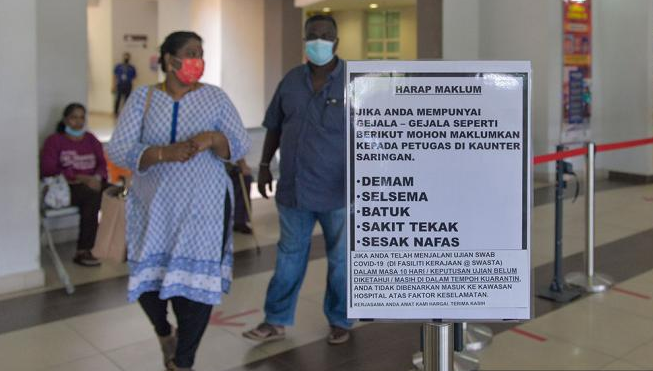
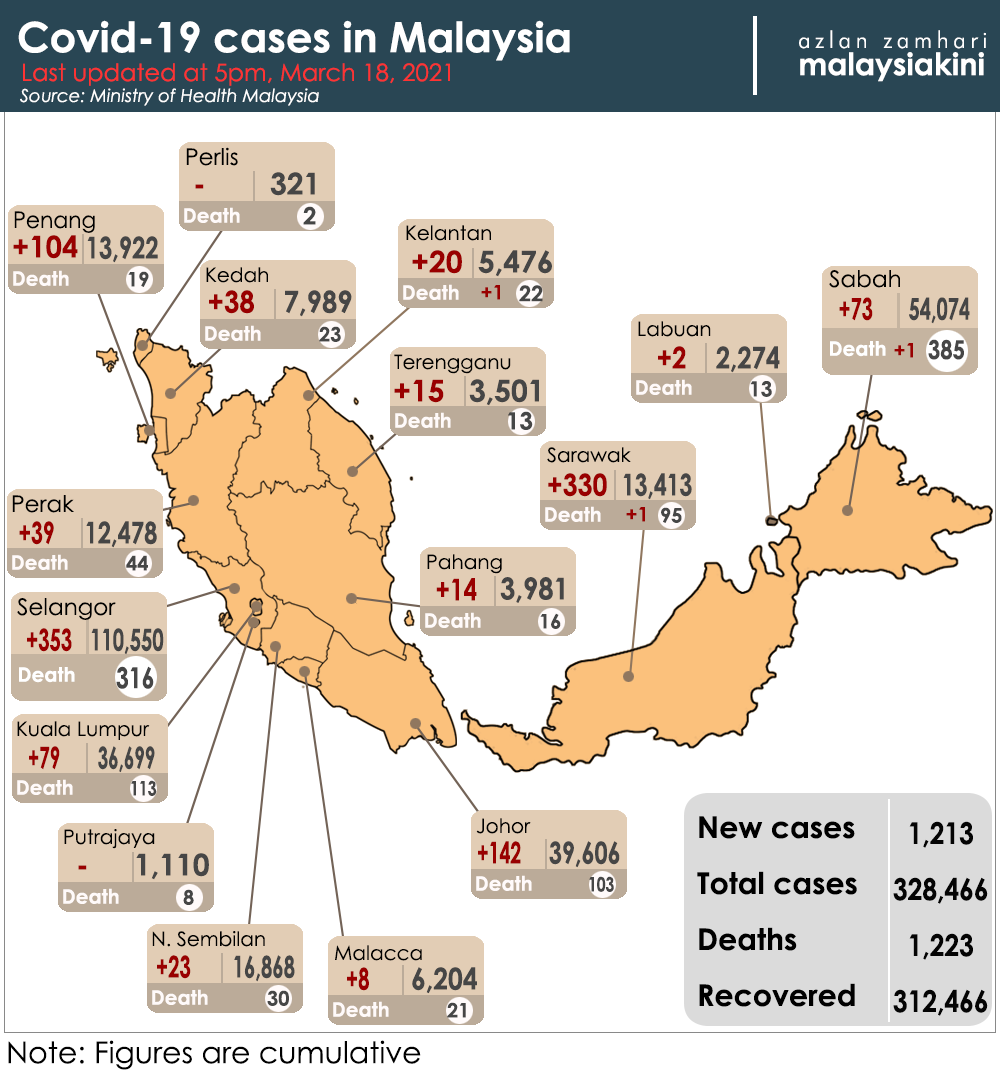
The Health Ministry reported 1,213 new Covid-19 cases today and three deaths.
Non-citizens accounted for 28.5 percent of new cases. Selangor,with 353, is the state with the highest number of new infections, followed closely by 303 cases in Sarawak.
The cases in Sarawak today were partly spurred by the newly detected Semuja Immigration Depot cluster in the Serian district, in which 99 people have been infected so far.
- Active cases: 14,782
- Patients in ICUs: 155
- Intubated: 54
Deaths
The three deaths were each recorded in Sarawak, Sabah, and Kelantan. All of them were Malaysians.
Except for the death involving a 59-year-old woman in Sarawak, the deceased persons had comorbidities.
The national death toll now stands at 1,223 people.
Clusters
The Health Ministry is tracking 428 active clusters today, including nine new ones.
Of the nine new clusters, one involved the Semuja Immigration Detention Depot in Serian, Sarawak. Three are community clusters, while the remaining five are workplace clusters.
The Semuja Immigration Depot cluster is also the cluster with the most number of new cases today (99), followed by the Jalan Wawasan Sembilan cluster in Johor (47), and the Jalan Harapan Prison cluster (32) involving several states.
Overall, 66 clusters have reported new cases, while monitoring for 10 clusters have ceased after no new cases were found for 28 consecutive days.
Details of the new clusters are as follows:
Tapak Bina Persiaran Setia cluster
District(s): Petaling, Selangor
Locality/Source: Construction site at Persiaran Setia Alam, Shah Alam
Cluster category: Workplace
First case: March 17, targeted screening
Total infected: 18 out of 100 screened
Tapak Bina Persiaran Sunsuria cluster
District(s): Sepang, Selangor
Locality/Source: Construction site at Persiaran Sunsuria, Sepang
Cluster category: Workplace
First case: Feb 14, targeted screening
Total infected: 11 out of 410 screened
Jalan Wawasan Sembilan cluster
District(s): Batu Pahat and Kluang, Johor
Locality/Source: Factory at Jalan Wawasan 9, Kawasan Perindustrian Sri Gading, Batu Pahat
Cluster category: Workplace
First case: March 12, targeted screening
Total infected: 50 out of 568 screened
Melamam cluster
District(s): Sipitang, Sabah
Locality/Source: Educational centre at Kampung Melamam, Sipitang
Cluster category: Workplace
First case: March 14, pre-admission screening at hospital
Total infected: 14 out of 164 screened
Jalan Asuhan cluster
District(s): Kerian, Perak
Locality/Source: Supermarket near Jalan Asuhan, Parit Buntar, Kerian
Cluster category: Workplace
First case: March 16, index case with symptoms
Total infected: 12 out of 100 screened
Sungai Atap cluster
District(s): Meradong, Sarawak
Locality/Source: Sungai Atap, Bintangor
Cluster category: Community
First case: March 6, pre-employment screening
Total infected: 19 out of 148 screened
Kampung Padang Tembak cluster
District(s): Keningau, Sabah
Locality/Source: Kampung Padang Tembak, Keningau
Cluster category: Community
First case: March 8, screening prior to interstate travel
Total infected: 21 out of 216 screened
Bunga Tanjung Bendahara cluster
District(s): Kota Setar and Kuala Muda, Kedah
Locality/Source: Jalan Tanjung Bendahara, Alor Setar
Cluster category: Community
First case: March 15, index case with symptoms
Total infected: 10 out of 46 screened
Depot Imigresen Semuja cluster
District(s): Serian, Sarawak
Locality/Source: Semuja Immigration Depot, Serian
Cluster category: Detention centre
First case: March 18
Total infected: 99 out of 584 screenedhttps://newslab.malaysiakini.com/covid-19/embed/en/states-chart
Source :Malaysiakini
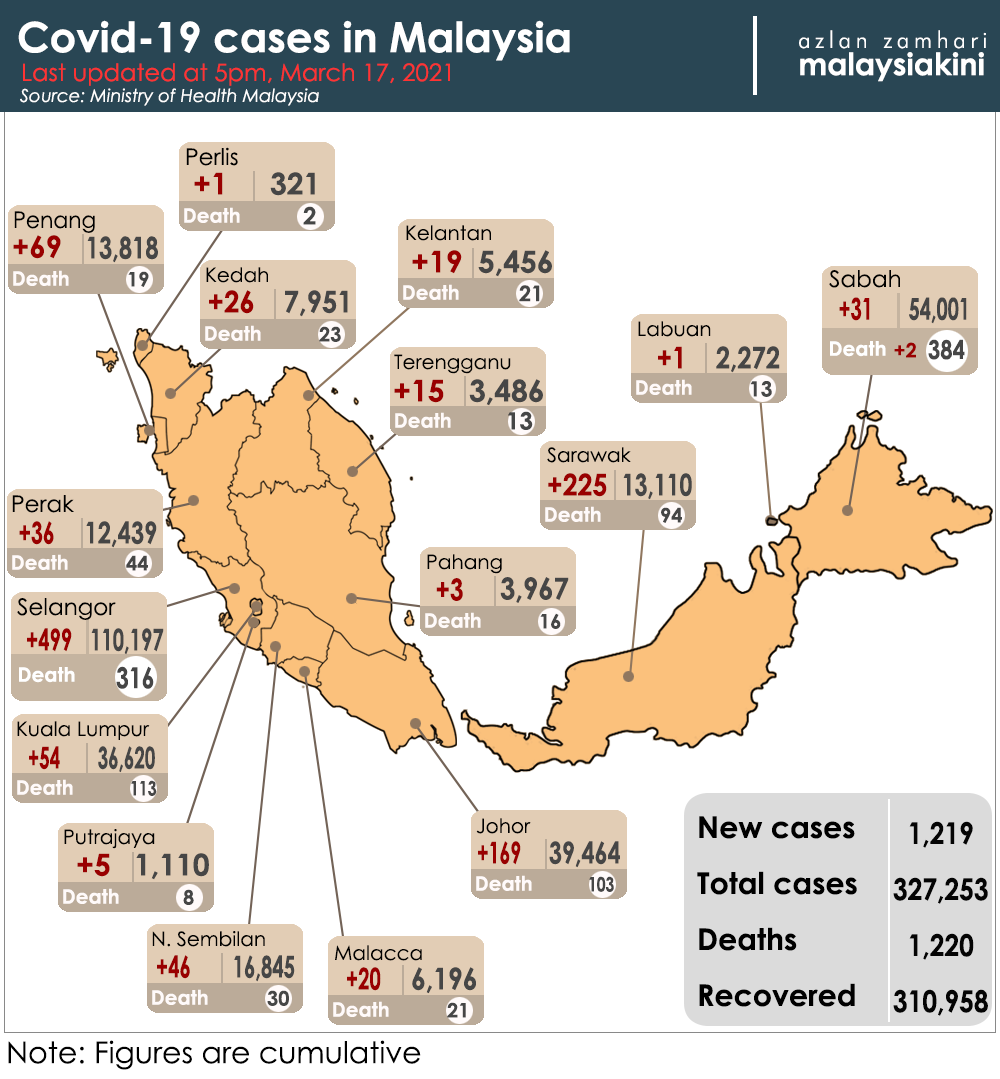
Covid-19 (March 17): 1,219 new cases, 2 deaths
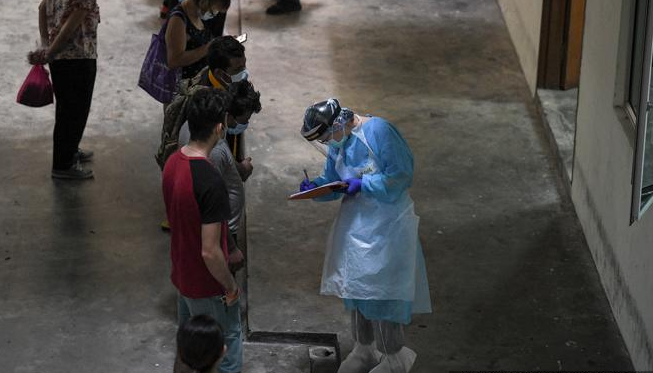
The Health Ministry reported 1,219 new Covid-19 cases today and two deaths.
Non-citizens accounted for 36.6 percent of new cases, while Selangor is the state with the most number of new cases.
- Active cases: 15,075
- Patients in ICUs: 154
- Intubated: 64
Deaths
The two new Covid-19 deaths reported were both in Sabah, which is the state that has the highest number of Covid-19 related deaths in the country.
Sabah has reported 384 Covid-19 deaths, which is more than Selangor (313) despite having reported only half the number of confirmed cases.
The national Covid-19 death toll stood at 1,220.
Clusters
The Health Ministry reported that there are 429 active Covid-19 clusters in the country, of which 58 saw new cases today.
The new Subang Dua cluster – discovered through the targeted screening of workplaces in USJ – saw 146 new cases, while the rest of the existing new clusters saw new cases in the double digits.
The Health Ministry classified 12 new clusters today, of which five were detected through targeted screening of workplaces.
There were two community clusters and an imported cluster involving a ship crew that sailed from Singapore.
The Health Ministry also reported that a new detention centre cluster had emerged in Jelebu, Negeri Sembilan.
Subang Dua cluster
District(s): Petaling, Selangor
Locality/Source: Factory in Jalan Subang 2, Taman Perindustrian Subang
Cluster category: Workplace
First case: March 16, targeted screening
Total infected: 153 out of 602 screened
Jalan Lada Sulah cluster
District(s): Petaling and Klang, Selangor
Locality/Source: Factory in Jalan Lada Sulah, Shah Alam
Cluster category: Workplace
First case: Feb 22, targeted screening
Total infected: 18 out of 327 screened
Meranti Jaya cluster
District(s): Sepang, Selangor
Locality/Source: Factory in Taman Meranti Jaya, Puchong
Cluster category: Workplace
First case: March 17, targeted screening
Total infected: 8 out of 101 screened
Jalan Merpati cluster
District(s): Miri, Sarawak
Locality/Source: Supermarket in Jalan Merpati
Cluster category: Workplace
First case: March 7, index case with symptoms
Total infected: 51 out of 310 screened
Kayu Gading cluster
District(s): Batu Pahat, Johor
Locality/Source: Factory in Kawasan Perindustrian Sri Gading II
Cluster category: Workplace
First case: March 14, targeted screening
Total infected: 36 out of 101 screened
Jalan Perdana cluster
District(s): Seremban and Rembau, Negeri Sembilan
Locality/Source: Educational institute in Jalan Perdana 2, Rembau
Cluster category: Workplace
First case: March 15, index case with symptoms
Total infected: 23 out of 229 screened
Long Yunus cluster
District(s): Pasir Puteh, Bachok and Kota Bharu, Kelantan
Locality/Source: Government office in Jalan Long Yunus, Kota Bharu
Cluster category: Workplace
First case: March 13, index case with symptoms
Total infected: 23 out of 214 screened
Banggol Lepah cluster
District(s): Bachok, Kuala Krai, Tanah Merah, Pasir Puteh and Kota Bharu, Kelantan
Locality/Source: Construction site in Kampung Banggol Lepah, Kota Bharu
Cluster category: Workplace
First case: March 6, index case with symptoms
Total infected: 41 out of 261 screened
Jalan Hang Tuah cluster
District(s): Johor Bahru, Johor
Locality/Source: Unspecified location in Jalan Hang Tuah 24
Cluster category: Community
First case: March 7, index case with symptoms
Total infected: 20 out of 155 screened
Taman Ria Enam cluster
District(s): Tawau, Sabah
Locality/Source: Residential area in Taman Ria 6, Sri Tanjung
Cluster category: Community
First case: March 11, pre-hospitalisation screening
Total infected: 16 out of 85 screened
Tembok Muhasabah cluster
District(s): Jelubu, Johor
Locality/Source: Detention centre in Jalan Kuala Klawang
Cluster category: Detention centre
First case: March 17, targeted screening
Total infected: 49 out of 225 screened
Andromeda cluster
District(s): Muar, Johor
Locality/Source: Ship crew from Singapore
Cluster category: Imported
First case: March 15, index case with symptoms
Total infected: 6 out of 44 screened
https://newslab.malaysiakini.com/covid-19/embed/en/states-chart
Source : Malaysiakini
Myanmar families hold funerals for crackdown victims, EU readies sanctions
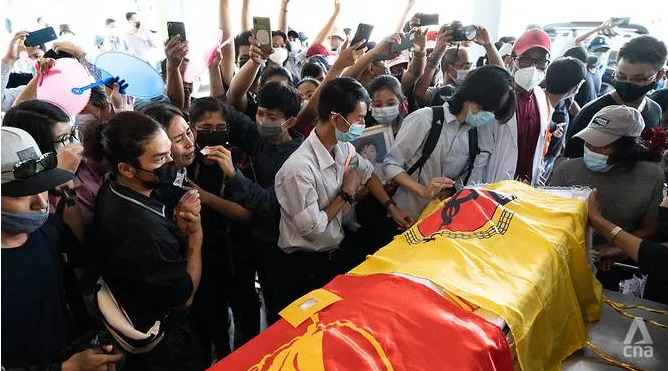
The families of dozens of people killed in demonstrations against military rule in Myanmar attended their funerals on Tuesday (Mar 16) as protesters again defied the security forces despite the mounting death toll.
Hundreds of mourners spilled onto the street at the funeral of medical student Khant Nyar Hein, who was killed in Yangon on Sunday, the bloodiest day in the weeks of protests that have followed a coup against the elected government on Feb 1.
“Let them kill me right now, let them kill me instead of my son because I can’t take it any more,” the student’s mother was seen saying in a video clip posted on Facebook.


Mourners, including many fellow medical students in white lab coats, chanted: “Our revolution must prevail.”
In other developments on Tuesday, France said the European Union would approve sanctions against those behind the coup next Monday.
The military junta, meanwhile, charged the international envoy of the ousted government with treason for encouraging the civil disobedience campaign and calling for sanctions, army-run television said. The charges carry a possible death sentence.
At least one more protester was shot dead on Tuesday in the central town of Kawlin, a resident there said.
READ: 149 dead, hundreds disappeared in Myanmar unrest – UN

READ: Global alarm grows as more protesters killed in Myanmar crackdown
More than 180 protesters have now been killed as security forces try to crush opposition to the generals who ousted Aung San Suu Kyi’s civilian government and seized power themselves.
A total mobile internet shutdown made it difficult to verify information and the vast majority of people in Myanmar have no access to WiFi. A junta spokesman did not answer telephone calls to seek comment.
On Tuesday, a crematorium in Yangon reported 31 funerals, a mourner at one ceremony said. Some families told media the security forces had seized the bodies of victims, but they would still hold a funeral.


People held up pictures of Aung San Suu Kyi – Myammar’s most prominent champion of democracy over three decades – and called for an end to the repression during a small protest in the southern town of Dawei on Tuesday, the Dawei Watch media outlet reported. There was no report of violence.
US CONCERN
The army said it took power after its accusations of fraud in a Nov. 8 election won by the Nobel laureate’s National League for Democracy (NLD) were rejected by the electoral commission. It has promised to hold a new election but has not set a date.
Aung San Suu Kyi, 75, has been detained since the coup and faces various charges including illegally importing walkie-talkie radios and infringing coronavirus protocols.
Martial law has been imposed in several districts of Yangon, Myanmar’s commercial hub and former capital, and other places in the country.
“The military is attempting to overturn the results of a democratic election and is brutally repressing peaceful protesters,” US Secretary of State Antony Blinken told a news conference in Tokyo.
The UN human rights office said “deeply distressing” reports of torture in custody had emerged and five people were known to have died in detention.
“We call on the military to stop killing and detaining protesters,” its spokeswoman, Ravina Shamdasani, said in Geneva.
In a further indication of international dismay at the events in Myanmar, French Foreign Minister Jean-Yves Le Drian said the European Union would approve sanctions on the generals at a foreign ministers’ meeting next Monday.
Those sanctions will suspend all budgetary support and target economic interests of individuals involved in the coup, he said.
Members of the ousted civilian government, who have set up a parallel administration, called on Total TOTF.PA and other oil firms operating in Mynamar to suspend payments to the military-controlled state.
UN Secretary-General Antonio Guterres was appalled by the escalating violence at the hands of the military and called on the international community to help end the repression, his spokesman said.
A junta spokesman did not answer telephone calls to seek comment and Reuters could not independently confirm all the casualties.
CHINESE WARNINGS
China Global Television Network, an English-language international Chinese channel linked to the Communist Party, meanwhile warned against further attacks on Chinese-owned businesses after more than 30 factories in an industrial suburb of Yangon were torched on Sunday.
Beijing is viewed by the opposition movement as supportive of the military and unlike Western powers it has not condemned the coup.
“China won’t allow its interests to be exposed to further aggression. If the authorities cannot deliver and the chaos continues to spread, China might be forced into taking more drastic action to protect its interests,” CGTN said.
When asked what drastic action might mean, China’s mission to the United Nations in New York referred Reuters to previous Chinese statements saying Mynamar authorities must take measures to protect Chinese nationals and businesses.
READ: Chinese workers injured in Myanmar factory attacks, China’s embassy says
China, along with Russia, has prevented the UN Security Council from denouncing the military’s actions as a coup and in the past have shielded the Myanmar’s authorities from any strong action by the body.
Also on Tuesday, the military charged the international envoy of the ousted government with treason, army-run television said.
It said that Doctor Sasa had encouraged a civil disobedience campaign, called for international sanctions and served as special envoy to the United Nations for an illegal organisation.
Sasa – who is not in the country – said he was proud to have been charged.
“These generals have committed acts of treason every day. Taking what they want for themselves, denying the people their rights and oppressing those that stand in their way,” he said in a statement.
“I stand for freedom, I stand for federal democracy, I stand for justice for my country and I continue to call for an end to military brutality and bloody violence.”
Source : channelnewsasia
US report says Russia, not China, tried to influence 2020 election
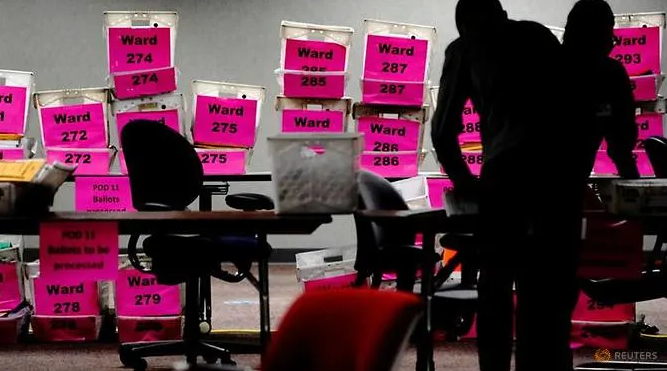
WASHINGTON: Russian President Vladimir Putin likely directed an effort by Moscow to try to swing the 2020 US presidential election to Donald Trump, according to an American intelligence report released on Tuesday that linked the Kremlin and allies of the former president.
The 15-page report, released by the Office of the Director of National Intelligence, added heft to longstanding allegations that some of Trump’s top lieutenants were playing into Moscow’s hands by amplifying claims made against then-candidate Joe Biden by Russian-linked Ukrainian figures in the run-up to the Nov 3 election. It also added new findings that Putin either oversaw or at least approved of the election meddling to benefit Trump.
The findings about Putin’s role are likely to receive particular attention given the report’s conclusions that Russia-backed figures such as Ukrainian parliamentarian Andriy Derkach enlisted unnamed US political figures in their campaign to smear Biden and his son Hunter.
The report named Derkach, who met with Trump’s lawyer Rudy Giuliani in 2019, as someone whose movements were being tracked, if not directed, by Putin.
“Putin had purview over the activities of Andriy Derkach,” the report said. “Other senior officials also participated in Russia’s election influence efforts – including senior national security and intelligence officials who we assess would not act without receiving at least Putin’s tacit approval.”
Biden, a Democrat, defeated Trump, a Republican, and became president in January.
US intelligence agencies and former Special Counsel Robert Mueller previously concluded that Russia also interfered in the 2016 US election to boost Trump’s candidacy with a campaign of propaganda aimed at harming his Democratic opponent Hillary Clinton.
Mueller found extensive contacts between Trump’s campaign and Russia. Trump while president also faced questions about ties by his associates with Russia and Russia-linked figures in Ukraine. The US House of Representatives impeached Trump in 2019 – the first of two times – on charges arising from his request that Ukraine investigate the Bidens.
The US intelligence report also found other foreign attempts to sway American voters in 2020 including a “multi-pronged covert influence campaign” by Iran intended to undercut Trump. As president, Trump pulled the United States out of an international nuclear deal with Iran and imposed fresh sanctions.
CHINA COUNTER-NARRATIVE
The report also punctured a counter-narrative pushed by Trump’s allies that China was interfering on Biden’s behalf, concluding that Beijing “did not deploy interference efforts”.
“China sought stability in its relationship with the United States and did not view either election outcome as being advantageous enough for China to risk blowback if caught,” the report said.
US officials said they also saw efforts by Cuba, Venezuela and the Lebanese militant group Hezbollah to influence the election, although “in general, we assess that they were smaller in scale than those conducted by Russia and Iran”.
The Russian, Chinese and Cuban Embassies in Washington did not immediately return messages seeking comment. The Iranian mission to the United Nations and the Venezuelan Ministry of Information also did not immediately respond to requests for comment. Moscow, Beijing and Tehran routinely deny allegations of cyberespionage and election interference.
The report assessed that Russian leaders “preferred that former President Trump win re-election despite perceiving some of his administration’s policies as anti-Russia”, with its authors adding, “We have high confidence in this assessment.”
A key role was also played by another man with Russian intelligence ties, Konstantin Kilimnik, according to the report. It said Kilimnik and Derkach met with and gave materials to Trump-linked people to push for formal investigations, and Derkach released four audio recordings to try to suggest that Biden had tried to protect his son Hunter from a corruption probe in Ukraine. Giuliani was among those promoting such claims.
Kilimnik was an associate of Paul Manafort, who served as Trump’s 2016 campaign chairman. Trump last year pardoned Manafort for a criminal conviction that stemmed from Mueller’s investigation.
Russian agents also tried to hack subsidiaries of the Ukrainian energy company Burisma, “likely in an attempt to gather information related to President Biden’s family”, it said. Hunter Biden had served on Burisma’s board.
As in the 2016 election, the Russian so-called troll factory formerly known as the Internet Research Agency pushed disparaging stories on social media about Biden and Democrats and complained about censorship by the tech companies, the report said. It also sought to exacerbate US divisions on racial justice issues, the report said.
Source: Reuters/ec
Covid-19 (March 16): 1,063 new cases, 5 deaths
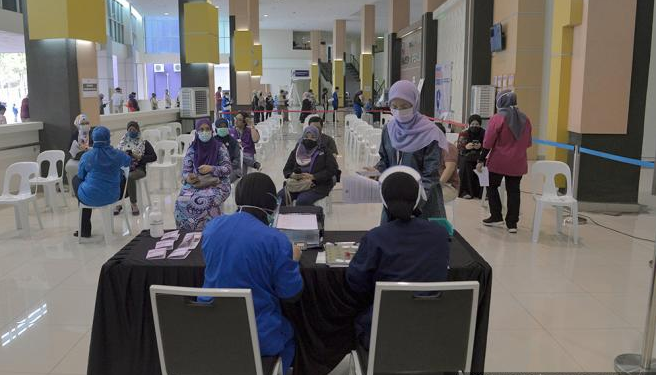
The Health Ministry today reported 1,063 new Covid-19 cases, which is the lowest figure for daily new infections since Dec 9 last year.
Malaysians made up the majority (76.9 percent) of new cases as opposed to foreigners, who were usually infected while working in construction sites or factories.
- Active cases: 15,204
- Patients in ICUs: 152
- Intubated: 68
Deaths
There were five new Covid-19 deaths reported today. Three were reported in Sarawak while Selangor and Kuala Lumpur reported one death each.
Sarawak has reported 94 Covid-19 related deaths and ranks fifth after Johor (103), Kuala Lumpur (112), Selangor (312) and Sabah (382).
The national Covid-19 death toll stood at 1,218.
Clusters
There are currently 428 active Covid-19 clusters of which 55 saw new cases.
The cluster with the highest new cases was Medan Bayan Lepas (58 new cases). This cluster was first reported on March 9 involving factory workers at the Bayan Lepas Free Industry Zone in Penang.
The Health Ministry classified five new clusters today of which none were the result of targeted screening of workplaces, unlike all the others this month.
There were three new clusters in Sarawak alone, of which one supermarket cluster saw all 19 people tested for Covid-19 returning positive.
Jalan Kampung Hilir cluster
District(s): Sibu, Sarawak
Locality/Source: Vicinity of Jalan Kampung Hilir
Cluster category: Community
First case: March 12, index case with symptoms
Total infected: 35 out of 41 screened
Nanga Bulo cluster
District(s): Julau, Sarawak
Locality/Source: Vicinity of Nanga Bulo
Cluster category: Community
First case: March 9, index case with symptoms
Total infected: 34 out of 160 screened
Banggol Chicha cluster
District(s): Pasir Mas, Kota Bharu and Tumpat, Kelantan
Locality/Source: Vicinity of Kampung Banggol Chicha, Pasir Mas
Cluster category: Community
First case: March 13, index case detected during pre-hospitalisation screening
Total infected: 17 out of 87 screened
Jalan Sanyan cluster
District(s): Sibu, Sarawak
Locality/Source: Supermarket in Jalan Sanyan
Cluster category: Workplace
First case: March 4, close contact screening
Total infected: All 19 screened
Jalan Taiping cluster
District(s): Kepong, Cheras and Titiwangsa, Kuala Lumpur
Locality/Source: Government office near Jalan Taiping
Cluster category: Workplace
First case: March 10, index case with symptoms
Total infected: 8 out of 137 screenedhttps://newslab.malaysiakini.com/covid-19/embed/en/states-chart
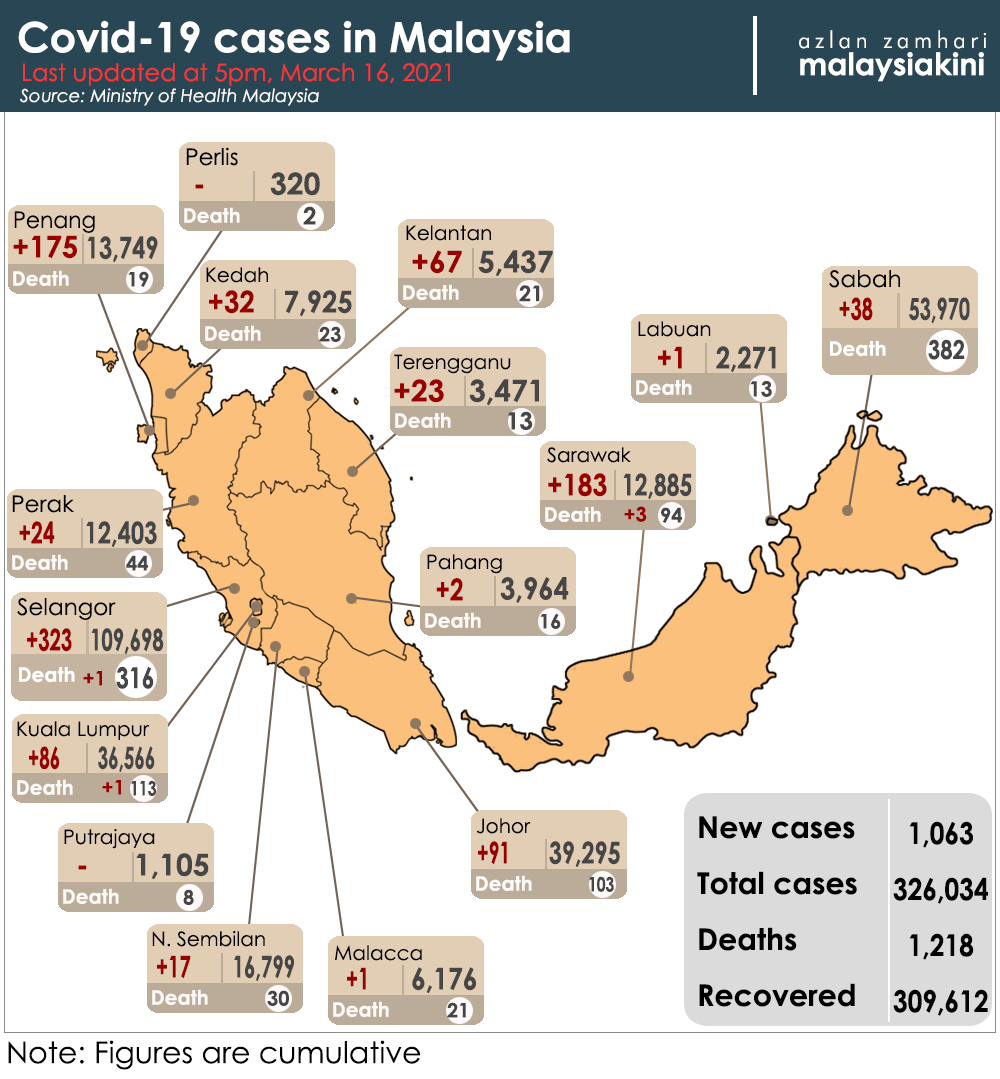
Source : Malaysiakini
Crime wave rattles Arab Israelis ahead of vote
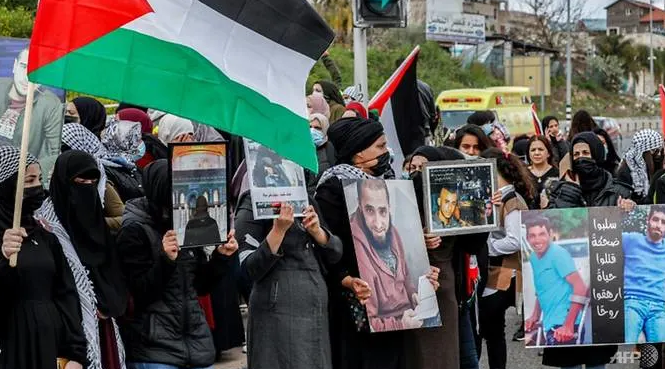
JALJULIA, Israel: It had been days since 14-year-old Mohammed Adas was shot dead outside his home in Israel, but his mother Suheila couldn’t bear to wash his scent off his clothes.
Mohammed’s killing was just the latest chapter in a crime epidemic ravaging Israeli Arabs – many of whom blame police racism.
“No one knows who shot him or why,” his father Abdelrazak told AFP at the family’s home in Jaljulia, near Tel Aviv.
“What I do know is that the police are 20 metres from here and if my son was Jewish there would be helicopters everywhere.”

Tackling the crime wave among the minority has become a political flashpoint ahead of Mar 23 elections.
Prime Minister Benjamin Netanyahu, who has demonised Arab voters in the past, has pledged action as he looks for support in a community that has traditionally rejected him and his right-wing Likud party.
Most Arab Israeli leaders scoff at the suggestion that Netanyahu can ease the crisis, insisting the solution lies in tackling police prejudice against Arabs – something that has proliferated during the prime minister’s 12-year tenure.
READ: Netanyahu eyes COVID-19 vaccine victory as Israel heads for fourth vote
90 PER CENT OF SHOOTINGS
The night he died, Mohammed Adas had gone out for pizza with a friend.
Shortly afterwards, Suheila and her husband Abdelrazak heard gunshots.
Twenty minutes later, they found Mohammed lying in a pool of blood, behind a car a few metres from their home.
Suheila has since been inconsolable. Abdelrazak finds himself popping into his son’s room, desperately hoping someone is there.
According to the Abraham Initiative, a civil society group that promotes social cohesion between Arabs and Jews in Israel, Mohammed Adas was the 23rd Arab killed in the country so far this year.
A 24th was killed this week.
In 2020, more than 90 per cent of shootings in Israel took place in Arab communities, according to police.
READ: Women crowd-source their own security on Tel Aviv’s streets
“THEY HAVE CAMERAS EVERYWHERE”
Arab Israelis, Palestinians who stayed on their land following Israel’s creation in 1948, currently account for around a fifth of its population.
In Israel’s last election a year ago, Arab parties united as the Joint List coalition, securing a record 15 seats in the 120-member parliament.
But the Joint List has splintered amid ideological divisions, creating a possibility that some Arab votes may be up for grabs.
That has put the spotlight on the violence rocking the country’s Arab communities.

Kifah Aghbaria, who lives in the northern city of Umm el-Fahm, lost four relatives to crime last year.
She has demonstrated outside the city’s police station every Friday for weeks, with portraits of her dead relatives, all in their 20s and 30s, under her arm.
They were killed, she said, because they stood up to local mafia.
Solving the crisis would mean addressing police discrimination against Arabs, she said.
“They have cameras everywhere. How can they not find the criminals?”
“The fight against crime in Arab cities is a war and we are going to win it,” she added.
But she insisted that re-electing Netanyahu will not help.
Police spokesman Wassim Badr rejected accusations of inaction, telling AFP that officers were working “around the clock” to solve such crimes and had made arrests in connection with 19 of this year’s murders.

“RIDICULOUS”
The collapse of the Joint List was partly triggered by Arab lawmaker Mansour Abbas, of the conservative Islamic Raam movement, suggesting he was open to supporting Netanyahu in order to address crime.
Netanyahu’s government on Mar 1 approved a 150 million shekel (US$45 million) crime-fighting proposal for Arab communities, including expanding police stations and creating a new dedicated unit.
Netanyahu called it “major news for the Arab society in Israel”.
But Yousef Jabareen, a Joint List lawmaker with strong support in Umm el-Fahm, rejected the proposal.
He said that the prime minister is “trying in a ridiculous way to get some (political) help from within the Arab community, as if we have a short memory and don’t remember that he’s responsible for these racist (laws) and policies towards us”.
READ: Arab League and Palestinians condemn opening of Czech Jerusalem office
Netanyahu’s backing for the 2018 Nation State Law, which enshrined Israel as a state for Jews while downgrading Arabic’s status as an official language, was widely perceived as legally downgrading Arabs.
“The issue is not about adding more police, but to change the policies vis-a-vis the Arab communities,” Jabareen told AFP.
He said unemployment, exacerbated by the COVID-19 pandemic, was fuelling the violence.
And as the country gears up for elections next week, Abdelrazak Adas is waiting for answers as to why his son ended up lying dead in the street.
When Arabs kill each other, he said, “nobody cares”.
Source: AFP/kg
Germany, Italy, France suspend AstraZeneca COVID-19 vaccine shots amid safety fears
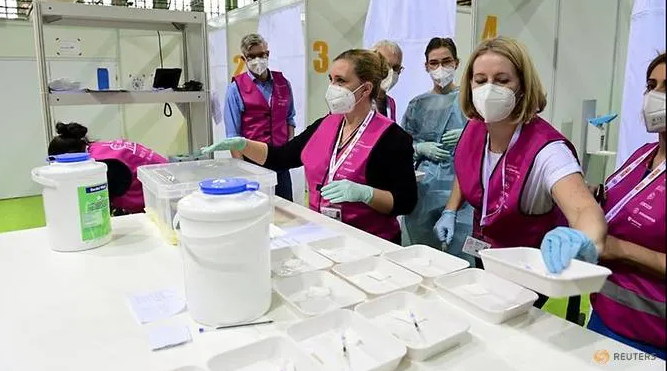
BERLIN: Germany, France and Italy said on Monday (Mar 15) they would suspend AstraZeneca COVID-19 shots after several countries reported possible serious side-effects, but the World Health Organization (WHO) said there was no proven link and people should not panic.
Still, the decision by the European Union’s three biggest countries to put inoculations with the AstraZeneca shot on hold threw the already struggling vaccination campaign in the 27-nation EU into disarray.
Denmark and Norway stopped giving the shot last week after reporting isolated cases of bleeding, blood clots and a low platelet count. Iceland and Bulgaria followed suit and Ireland and the Netherlands announced suspensions on Sunday.
Spain will stop using the vaccine for at least 15 days, Cadena Ser radio reported, citing unnamed sources.
The top WHO scientist reiterated on Monday that there have been no documented deaths linked to COVID-19 vaccines.
“We do not want people to panic,” Soumya Swaminathan said on a virtual media briefing, adding there has been no association, so far, pinpointed between so-called “thromboembolic events” reported in some countries and COVID-19 shots.
WHO chief Tedros Adhanom Ghebreyesus said an advisory committee meeting on AstraZeneca would be held on Tuesday. EU medicines regulator EMA will also convene this week to assess the information gathered into whether the AstraZeneca shot contributed to thromboembolic events in those inoculated.
The moves by some of Europe’s largest and most populous countries will deepen concerns about the slow rollout of vaccines in the region, which has been plagued by shortages due to problems producing vaccines, including AstraZeneca’s.
Germany warned last week it was facing a third wave of infections, Italy is intensifying lockdowns and hospitals in the Paris region are close to being overloaded.
German Health Minister Jens Spahn said that although the risk of blood clots was low, it could not be ruled out.
“This is a professional decision, not a political one,” Spahn said, adding he was following a recommendation of the Paul Ehrlich Institute, Germany’s vaccine regulator.
France said it was suspending the vaccine’s use pending an assessment by EMA.
“The decision taken, in conformity also with our European policy, is to suspend, out of precaution, vaccination with the AZ shot, hoping that we can resume quickly if the EMA’s guidance allows,” French President Emmanuel Macron said.
Italy said its halt was a “precautionary and temporary measure” pending EMA’s ruling.
“The EMA will meet soon to clarify any doubts so that the AstraZeneca vaccine can be resumed safely in the vaccination campaign as soon as possible,” said Gianni Rezza, Director General of Prevention at Italy’s Ministry of Health.
Austria and Spain have stopped using particular batches and prosecutors in the northern Italian region of Piedmont earlier seized 393,600 doses following the death of a man hours after he was vaccinated. It was the second region to do so after Sicily, where two people had died shortly after having their shots.
The WHO appealed to countries not to suspend vaccinations against a disease that has caused more than 2.7 million deaths worldwide. WHO Director-General Tedros said systems were in place to protect public health.
“This does not necessarily mean these events are linked to COVID-19 vaccination, but it’s routine practice to investigate them, and it shows that the surveillance system works and that effective controls are in place,” he told the media briefing.
The United Kingdom said it had no concerns, while Poland said it thought the benefits outweighed any risks.
The EMA has said that as of Mar 10, a total of 30 cases of blood clotting had been reported among close to 5 million people vaccinated with the AstraZeneca shot in the European Economic Area, which links 30 European countries.
Michael Head, a senior research fellow in global health at the University of Southampton, said the decisions by France, Germany and others looked baffling.
“The data we have suggests that numbers of adverse events related to blood clots are the same (and possibly, in fact lower) in vaccinated groups compared to unvaccinated populations,” he said, adding that halting a vaccination programme had consequences.
“This results in delays in protecting people, and the potential for increased vaccine hesitancy, as a result of people who have seen the headlines and understandably become concerned. There are no signs yet of any data that really justify these decisions.”
READ: WHO urges world not to halt COVID-19 vaccinations as AstraZeneca shot divides Europe
A senior German infectious diseases physician, however, said the background incidence of 2-5 thromboses per million per year was significantly lower than the number of 7 out of 1.6 million vaccinated people cited by Germany’s health ministry.
“This should be the reason to suspend the vaccination in Germany until all cases, including suspected cases in Germany and Europe, have been completely cleared up,” said Clemens Wendtner, head of the special unit for highly contagious life threatening infections at the Schwabing Clinic in Munich.
‘UNUSUAL’ SYMPTOMS
AstraZeneca’s shot was among the first and cheapest to be developed and launched at volume since the coronavirus was first identified in central China at the end of 2019, and is set to be the mainstay of vaccination programmes in much of the developing world.
Thailand announced plans on Monday to go ahead with the Anglo-Swedish firm’s shot after suspending its use on Friday, but Indonesia said it would wait for the WHO to report.
The WHO said its advisory panel was reviewing reports related to the shot and would release its findings as soon as possible. But it said it was unlikely to change its recommendations, issued last month, for widespread use, including in countries where the South African variant of the virus may reduce its efficacy.
The EMA has also said there was no indication the events were caused by the vaccination and that the number of reported blood clots was no higher than seen in the general population.
But the handful of reported side-effects in Europe have upset vaccination programmes already stumbling over slow rollouts and vaccine scepticism in some countries.
The Netherlands said on Monday it had seen 10 cases of possible noteworthy adverse side-effects from the AstraZeneca shot, hours after putting its vaccination programme on hold following reports of potential side-effects in other countries.
Recent information indicates “a very special, rarely occurring form of thrombosis, of which some cases appear to have occurred shortly after vaccination. This is of course suspicious and should be investigated,” said Anke Huckriede, vaccinology professor at the University of Groningen in the Netherlands.
Denmark reported “highly unusual” symptoms in a 60-year-old citizen who died from a blood clot after receiving the vaccine, the same phrase used on Saturday by Norway about three people under the age of 50 it said were being treated in hospital.
One of the three health workers hospitalised in Norway after receiving the AstraZeneca shot had died, health authorities said on Monday, but there was no evidence the vaccine was the cause.
AstraZeneca said earlier it had conducted a review covering more than 17 million people vaccinated in the EU and the UK which had shown no evidence of an increased risk of blood clots.
Long-awaited results from AstraZeneca’s 30,000-person US vaccine trial are now being reviewed by independent monitors to determine whether the shot is safe and effective, a top US official said on Monday.
Source: channelnewsasia
From Singapore to Hong Kong, how urban farming can help tackle food waste — but is it enough?
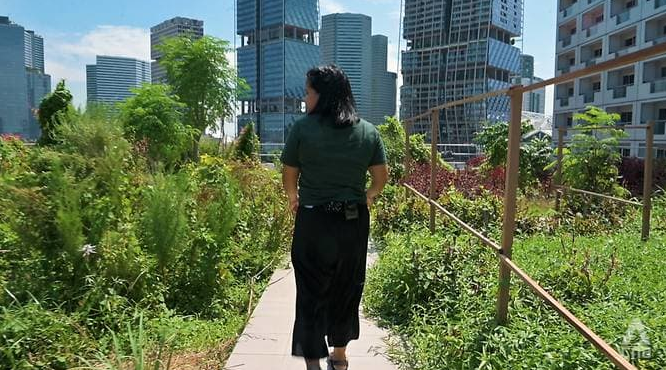
SINGAPORE and HONG KONG: As an urban farmer, Andrew Tsui values his relationship with food. And he frets that many humans of Hong Kong and Singapore, the two cities he grew up in, do not.
The problem, according to the 43-year-old, is the “instant-noodle city lifestyle”.
“If we need something today … we can either use our smartphone (or) go downstairs. There’s always a convenience store,” he said. “Food becomes a lifeless thing that’s being put on the shelf.
“And the moment we kind of productise food, it’s the start of the broken relationship.”
It is this “consumer mindset”, for one thing, that leads to over 3,600 tonnes of food — the weight of about 250 double-decker buses — being thrown into Hong Kong’s landfills every day.
READ: Why so much edible food is thrown away in Asia, and how to fix it
In cities like Hong Kong and Singapore, more than half of food wastage happens at the retail and consumer stage.

Ever tossed half-eaten food into the bin? Or stuck some vegetables in the fridge and forgot about them until they had wilted, only to shrug it off and buy new provisions?
Singaporean Amanda Woon remembers one time she was with her boyfriend at a supermarket. “I dropped this apple … and he was like, ‘(It’s) spoilt already, don’t buy,’” recounted the 24-year-old.
Changing these mindsets to rebuild city dwellers’ relationship with food is one of the solutions that Andrew and others like him have been pursuing for some time. And they are doing it by bringing food production to the city.
The urban farming movement is not only catching on, but also addressing several issues at the heart of food wastage, CNA Insider finds out.
WATCH: Can urban farming fix our broken relationship with food? (17:00)https://www.youtube.com/embed/Cmh3S9EpvXA
CULTIVATING AN ATTITUDE ADJUSTMENT
While food loss happens at every stage of the supply chain, attitudes in industrialised countries often cause wastage at dining tables.
“Perhaps one of the most important reasons for food waste at the consumption level in rich countries is that people simply can afford to waste food,” stated a report from the United Nations’ Food and Agriculture Organisation.
There is also a danger of children growing up “largely desensitised to the issue of food waste”, warned Singapore University of Social Sciences senior lecturer and psychologist Tania Nagpaul.
“Generational amnesia is something that scientists are talking about a lot these days … Younger generations are completely oblivious to what life was perhaps 20 years before they were born.”

In the context of food, affordability is not the only salient fact — with food so conveniently at hand, people do not need to think about how it is actually grown, even animals.
“I wouldn’t be surprised if the way supermarkets portray food becomes the norm for our younger generations because this is what chicken means to them, and they’ve not really ever seen a live chicken,” said Nagpaul.
In short, the effort and resources needed in food production may be beyond their imagination, for example the time it takes to grow potatoes (up to 120 days) and the amount of water to produce a kilogramme of apples (822 litres).
Is there a way, however, for things like that to come into people’s mind, say, when they see a bruised apple? Michelle Hong thinks so.

“The main solution that I could see was to bring the farms into the city rather than bringing the people into the farms out there,” said the Singaporean co-founder of Hong Kong social enterprise Rooftop Republic.
“The idea for us when we first started out … was to make farming very commonplace.”
Since 2015, Rooftop Republic has been helping organisations to design and run their own urban farms on top of their office buildings, hoping to expose city folk to the basics of food production.
The difference that makes, she said, is “you’re connected to food on a daily basis, in proximity to where you live, where you work and where you play”.

And it fits into the sustainability practices of more and more companies nowadays, like developer Sino Group, which is integrating urban farming across its property portfolio.
“We treasure the food and the produce that we can harvest together,” said the company’s senior sustainability manager, Melanie Kwok.
“In a city area like this, we can actually set aside our worries … and just enjoy nourishing the mind and body.”
Over in Singapore, Edible Garden City is on a similar mission, helping to set up farms in schools, malls and office buildings since 2012. Both Rooftop Republic and Edible Garden City are DBS Foundation grant winners.

“We want people to experience the entire process of growing their own food and … how hard it is,” said Bjorn Low, the social enterprise’s 39-year-old co-founder.
“It’s that individual journey they have to go through to make them appreciate food a little more.”
HOME GROWERS
There is also a movement of home growers building up in Singapore, going by the urban farming groups sprouting online, with members ranging from beginners to advanced gardeners and living even in small flats.
Woon, for example, started growing pak choi and kangkong (water spinach) on her balcony in September.

“I wanted to engage with the process of growing (food) so that I could understand what it feels like, what it means to produce my own food and to allow that to feed my family,” she said.
But her first few attempts did not go smoothly. “Every single morning, I’d wake up and (be) like, ‘Why aren’t you sprouting yet?’” she recalled. “You should be germinating in three days, and why aren’t you doing that?”
After having to wait, her seedlings turned out limp. “I got very anxious. I was like, ‘Oh my God, I can’t fail,’” she said.
I think I put more effort into growing kangkong and bok choy than I did for my A levels.
When she finally got to see her plants grow from “this small dot” into luscious vegetables, she was “wowed”.

But did growing her own food really make her waste less? “When I was younger, I didn’t eat a lot of stems … Now I’m like, ‘You know what? Just eat it,” she cited.
“I appreciate what I’m eating and therefore I just eat the bulk of it as much as I can.”
Another home grower, Gerald Foo, realised that with his own vegetables, fruits and herbs within reach, he buys less in the supermarket and thus wastes less.
“In the past, when I wanted to cook a pasta or something, and I needed … basil or parsley, (I’d) pop down to the shops. And you know you’ve got to buy a whole packet,” said the 44-year-old.
“The rest (of the packet) ends up going to waste, whereas now I grow my own stuff … I just go and cut up (what’s needed).”

It makes his family more aware of their “impact on nature”, like the carbon miles of their food purchases.
“We’d think about … the meals that we’re going to cook in the next two or three days. And what do we need to make those meals? And then we’d buy just those things,” he added.
Having become conscious of every bit of waste they generate at home since they started growing food, both Woon and Foo are composting their scraps.
“We most recently thought about food waste as … the ends of our vegetables (that we cut off). That’s also food, and it’s now being used productively,” said Foo. “It becomes fertiliser for the next thing that I want to grow.”

Woon even has about 100 worms to produce vermicompost. “My parents also started saving their food peels for my worms,” she said proudly. “They’re aware that this is important for growing.
“Food isn’t a linear process … There’s a way of making things exist in a more circular manner.”
GOING NATIVE
Urban farming is not just about changing the way city folk value food, however; it has a hand in reducing global food wastage because “it offers an alternative supply chain”, said food waste expert Daisy Tam.
Singapore and Hong Kong currently import more than 90 per cent of their food, and this supply chain is flawed.
READ: Why our food supply chain is flawed, and these champions’ efforts to stop the waste
“In the global food system, food loss and food waste happen at every step of the way, from the field — from production — to distribution to storage,” noted Tam, an assistant professor at Hong Kong Baptist University.
“Because the supply chain is so long, we’re inevitably participating in a very wasteful system. So shortening the supply chain is one way of not participating in that.”

Notably, urban farming is one of the areas in Singapore’s Green Plan — unveiled last month — where there will be initiatives to strengthen the Republic as a location for global and local companies to develop new sustainability solutions.
READ: Singapore unveils Green Plan 2030, outlines green targets for next 10 years
Growing the demand for native edible plants may have a part to play in that effort.
Some of the vegetables Singaporeans like to eat, such as choi sum, pak choi and kailan, “aren’t climatically suited for Singapore”, pointed out Low. “They’re nicer to grow in colder climates.”

On the other hand, food such as sayur manis, ulam raja (a herb) and cat’s whiskers (another herb) grow well on the island. “(It’s) so much more ecological to grow those because they’re perennials — they don’t need re-seeding,” he said.
Paying more attention to long-neglected local species could then be a way to replace more imports. The idea is to “create a more productive landscape” beyond just urban farms.
“Instead of growing an ornamental tree, perhaps we could be growing a food-producing tree,” he suggested. “Instead of having a green plot ratio, could we come up with a nutritional index?
So if we plant one moringa tree (horseradish tree), how much protein is that producing for the community?
There are already more than 1,600 community gardens across Singapore, so he has hopes of seeing increased decentralisation in the food system. “Perhaps more community farms can also be their (supermarkets’ and wet markets’) source of supply,” he added.

These are opportunities not to be sniffed at in cities like Singapore or Hong Kong, believes Tsui — not when the COVID-19 pandemic has shown that relying “so heavily” on the “global industrial food chain” can leave populations vulnerable to disruptions.
“There are a lot of other untapped spaces, like car parks, like playgrounds, like other open areas,” said the chief executive officer of Rooftop Republic and also Hong’s husband.
“We truly believe that (by) tapping into those untapped resources … we’re able to actualise and implement a local, decentralised food system.”
So far, the social enterprise has converted 65 rooftop spaces into productive farms spanning 70,000 square feet, and worked with clients including hotels and restaurants. The potential cultivable space on Hong Kong’s rooftops, however, soars to six million square metres.

“That area is equivalent to the land that’s currently being farmed in Hong Kong,” noted Hong. “Essentially, if we were to convert all the rooftops into farms, we’d be doubling the amount of food that Hong Kong is producing.”
MORE WAYS TO GET INVOLVED
To get more people involved and create more talent for future urban farms, the Rooftop Republic Academy was started in 2019 with support from the DBS Foundation. It offers workshops for beginners as well as professional vocational courses.
“The idea behind the academy is … for city dwellers from all walks of life to get their foot in the door,” said Rooftop Republic co-founder Pol Fabrega, 56.
Looking at how far they have taken urban farming, Hong said the co-founders are “very encouraged”.
“I quit my job (in communications and advertising) to start Rooftop Republic. And I was like, ‘Oh dear, after … one year, am I going to (have to) eat my own veggies to survive?’” she recalled with a laugh.

Like her, Low quit the advertising industry when he became an urban farmer. At this point, he is also striving to “build capacity within local people and local spaces”, to ensure that there is “knowledge”, “infrastructure” and “excitement”.
“So when there’s a time of need, everyone can go out and participate in that process. Everyone will have some knowledge of sowing a seed and growing food,” he said.
It may take “some time to unlock it”, thinks Nagpaul, but she does not doubt that urban farming “has a lot of potential” to create a ripple effect.
It helps that growing food at home “doesn’t cost much”, said Woon, who recommended starting with kangkong to those thinking of giving it a shot.
“Even if you fail … it’s a matter of just being okay with failure,” she added. “That was also something that I learned.”

Still, not everybody gets to grow their own food at home. And one group in Taiwan has found another way to connect consumers directly with their food supply, by letting them share in the experiences of farmers.
On the Buy Directly From Farmers e-commerce platform, consumers can adopt a plot of land and watch, in real time, as farmers battle with the elements to plant and harvest crops.
“You’d be able to better understand the difficulties,” said the social enterprise’s founder, King Hsin I. “Then (consumers) would cherish their food better. When they make their choices, they won’t choose perfectly round pears or perfectly red apples.”
Also, while shopping on the site, they can get to know the growers and put a face to the food they buy.

Buy Directly From Farmers goes so far as to advise consumers that every bit of their vegetable or fruit, right down to its skin, can be eaten.
For example, one can fry eggs with dragon fruit peel or cornsilk, and “it’s delicious”, cited King. “Then you’d reduce a lot of food waste — you make good use of the food that’s grown … for months.”
Last year, when the social enterprise launched food boxes that included seemingly unusable products, DBS was “very supportive” in buying boxes, she added.
Consumers, too, can support enterprises like this that are fighting against food wastage. They can also shop differently by buying only the groceries they need and not throw away food that is slightly blemished or close to expiry.

It seems such a big, global problem, but the man or woman in the street can make a difference.
“Whether (by) exercising our consumer rights and requesting different practices (in) the shops, to voting with your dollar and buying in different places … to lobbying or advocating different practices, these are all ways in which we can participate,” said Tam.
Source: CNA/dp
US denies Hong Kong envoys with COVID-19 invoked diplomatic immunity
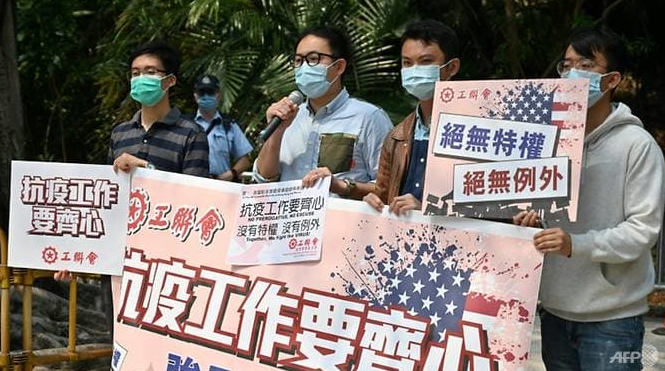
HONG KONG: The United States on Tuesday (Mar 16) accused Chinese state media of publishing “disinformation” about its diplomats in Hong Kong as it denied its staff invoked immunity to avoid isolating after positive COVID-19 tests.
Washington temporarily closed its consulate on Monday to conduct deep cleaning and contact tracing after two employees were infected with the virus.
The consulate – and Hong Kong health authorities – have said the pair were headed to a hospital isolation ward as required by the city’s anti-coronavirus rules.
But state media outlets and a leading pro-Beijing trade union have accused the employees of invoking diplomatic immunity, which US officials flat out rejected.
READ: US closes consulate in Hong Kong after two employees test positive for COVID-19
“The disinformation from PRC state media about these two cases not complying with quarantine is false,” a US State Department spokesperson told AFP.
“We reject these efforts to spread disinformation about a critical public health issue.”
The reports of diplomatic immunity first ran on Monday in Dot Dot News, an online news outlet in Hong Kong.
It is part of an opaquely owned media group that answers to Beijing’s Liaison Office.
Following the reports, China’s state-run Global Times tabloid repeated the diplomatic immunity accusation, and accused the US diplomats of “arrogant outlaw behaviour”.

Hong Kong’s largest pro-Beijing labour group – the Federation of Trade Unions – said it would stage a protest outside the US consulate later on Tuesday.
When reached for comment on Tuesday morning by AFP, one of the protest organisers, who gave only his surname Zhang, said the group would still go ahead with its rally.
Public gatherings of more than four people are currently banned in Hong Kong because of COVID-19.
Hong Kong has kept infections low thanks to some of the strictest quarantine measures in the world, recording some 11,000 infections and 200 deaths since the pandemic began.
READ: US slams China’s Hong Kong move, to raise Xinjiang genocide charge in talks
Relations between the US and China have plunged in recent years, partly because of Beijing’s crackdown against dissent in Hong Kong following huge and often violent protests in 2019.
BOOKMARK THIS: Our comprehensive coverage of the coronavirus outbreak and its developments
Download our app or subscribe to our Telegram channel for the latest updates on the coronavirus outbreak: https://cna.asia/telegram Source: AFP/kg
 English
 简体中文
简体中文 Bahasa Indonesia
 Bahasa Melayu